Mostly a Diseased Heart (Non compassionate, “dead” heart not remebering their Lord, not caring for others, and bad unhealthy lifestyle;
Miqdam bin Madikarib said: “I heard the Messenger of Allah (ﷺ) say: ‘A human being fills no worse vessel than his stomach. It is sufficient for a human being to eat a few mouthfuls to keep his spine straight. But if he must (fill it), then one third of food, one third for drink and one third for air.’”
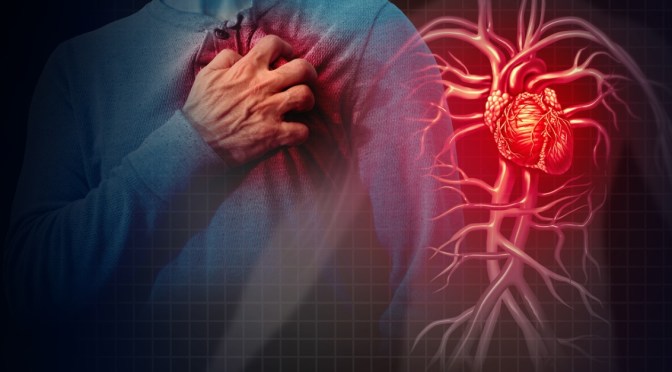
A healthy heart can bring incredible benefits. These include enhancing longevity, preserving lifestyles, decreasing depression, and diminishing the risk of dementia in later years.
The CDC states that in the United States, one in five deaths are linked to heart disease. Coronary heart disease is the most common cause. Currently 805,000 heart attacks strike Americans annually, and among those, one in five are silent.
Changing your lifestyle can prevent and reverse certain types of heart disease. Below are five common risk factors associated to heart disease:
High blood pressure can be caused or worsened by an unhealthy lifestyle. Poor exercise habits with a lack of physical activity, as well as diets high in salt, fat, and cholesterol are important factors in the development of high blood pressure, also known as hypertension. High blood pressure is a sign that the blood is exerting too much pressure on arterial walls, leading to strain and damage. This damage can present as inflammation, plaque accumulation, and hardening of the arteries. As a result, the heart must work harder to compensate and provide circulation to the body.
Hypertension is a leading cause of heart disease and stroke and often seen more prominently in families with a history of cardiovascular disease.
Cholesterol is a waxy compound used to build healthy cells. It is a necessary component of our cells. However, high levels of low-density lipoprotein (LDL) cholesterol elevate cardiovascular risk. Excessive LDL levels in the bloodstream can cause fatty deposits to form in arteries that can impede the flow of blood. If these deposits break, it may cause a heart attack or stroke.
Diabetes is when the pancreas is not producing enough insulin to regulate blood sugar levels, leading to sugar build up in the bloodstream. Unregulated blood sugar levels can damage blood vessels and increase the risk of strokes and heart attacks.
Compared to people who do not have diabetes, adults with diabetes are twice as likely to have heart disease or a stroke. According to the Mayo Clinic, more than two in three people with diabetes have high blood pressure.
Smoking is another major cause of heart disease and causes one out of every four deaths from heart disease, according to the 2014 Surgeon General’s Report on smoking and health. Smoking raises triglycerides and lowers high-density lipoprotein (HDL) cholesterol, also known as good cholesterol. Smoking can cause the blood to become sticky and damage cells that line the blood vessels. This injury to the blood vessels increases the buildup of plaque and blood clots in blood vessels.
Inactivity and diets high in saturated fats, trans fats, salt, and cholesterol can cause fatty deposits to build up in the arteries, leading to high blood pressure, diabetes, and obesity.
Not only does physical inactivity and an unhealthy diet cause heart disease, but both can also contribute to one’s likelihood of developing other heart disease risk factors.
Small changes to your lifestyle can bring huge rewards. Physicians at SouthCoast Health are eager to assist you in creating a personalized plan to help you achieve your health goals.
https://www.southcoasthealth.com/posts/view/402-what-causes-heart-disease
“O you who believe! Fasting has been prescribed for you as it had been prescribed for those (communities) who came before you. So that you may exercise taqwa.” (2:183)
“Taqwa” can be translated as piety, as guarding oneself (against displeasing God) or God-consciousness. It is a spiritual power by which a person refrains from doing things that will displease Allah – and this thought or feeling is based on the love that a person has for Allah.
Narrated `Abdullah bin `Amr: Allah’s Messenger (ﷺ) said to me, “The most beloved fasting to Allah was the fasting of (the Prophet) David who used to fast on alternate days. And the most beloved prayer to Allah was the prayer of David who used to sleep for (the first) half of the night and pray for 1/3 of it and (again) sleep for a sixth of it.” – Sahid Al Bukhari3420, Book 60- haidth 92;
Extravagance is blameworthy in eating and other things. Allah says (interpretation of the meaning):
“And eat and drink but waste not by extravagance, certainly He (Allâh) likes not Al-Musrifûn (those who waste by extravagance).” [Al-A`raf 7:31]
“And waste not by extravagance. Verily, He likes not Al-Musrifûn (those who waste by extravagance).” [Al-An`am 6:141]
“And let not your hand be tied (like a miser) to your neck, nor stretch it forth to its utmost reach (like a spendthrift), so that you become blameworthy and in severe poverty.” [Al-Isra’ 17:29]
“And give to the kinsman his due and to the Miskîn (poor) and to the wayfarer. But spend not wastefully (your wealth) in the manner of a spendthrift. Verily, spendthrifts are brothers of the devils, and the satan is ever ungrateful to his Lord.” [Al-Isra’ 17:26-27]
The difference between extravagance and wasteful spending is that extravagance means spending on something appropriate in an excessive manner, whereas wasteful spending means spending on something that is not appropriate. This was stated by Al-Munawi in Fayd Al-Qadir, 1/50
#Heart #Disease #Causes #Diet #Islam



















 bismillahschool.net