Women who use the birth control pill may have a small increased risk of breast cancer. The risk is smaller for women who used the birth control pill after their first full-term pregnancy.
The pill and cervical cancer risk
The risk appears to be greater for developing early stage cervical cancer than it is for more advanced forms of the disease.
The pill and liver cancer risk
Women who took birth control pills for more than 5 years before doses and formulas changed may have a slightly higher risk of developing liver cancer.
HISTORIC DNA EVIDENCE OF THE NATIVE AMERICAN PEOPLE
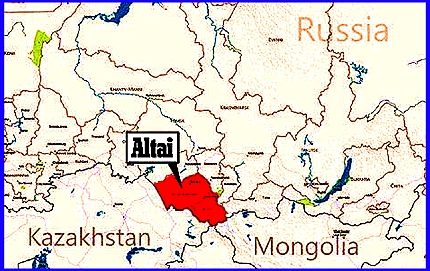
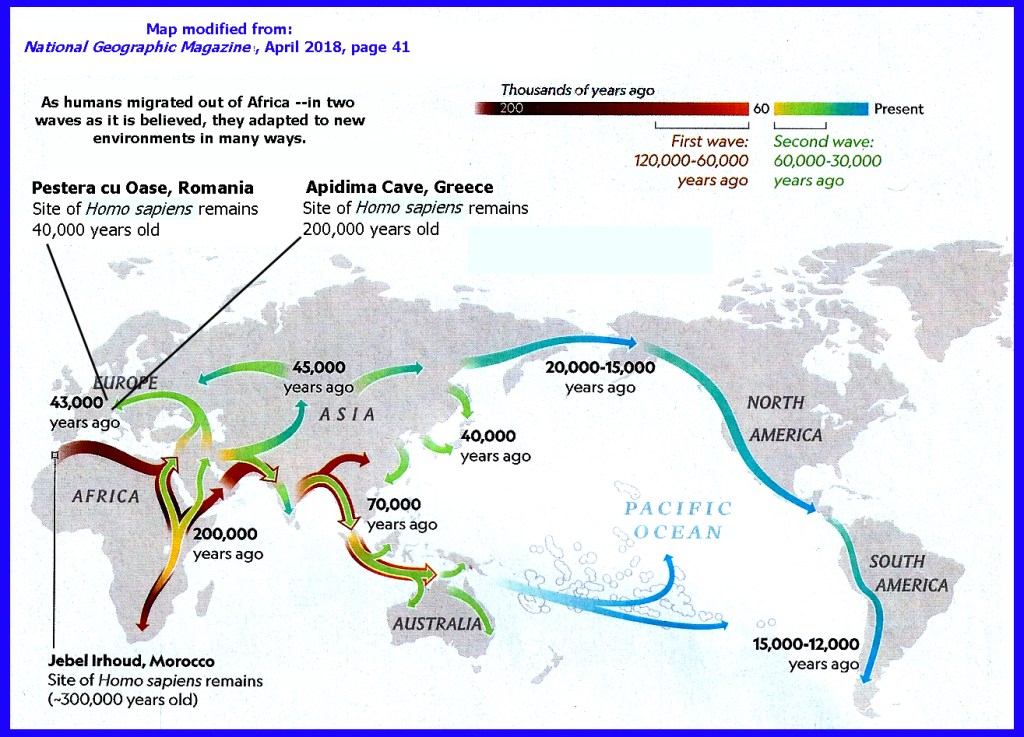
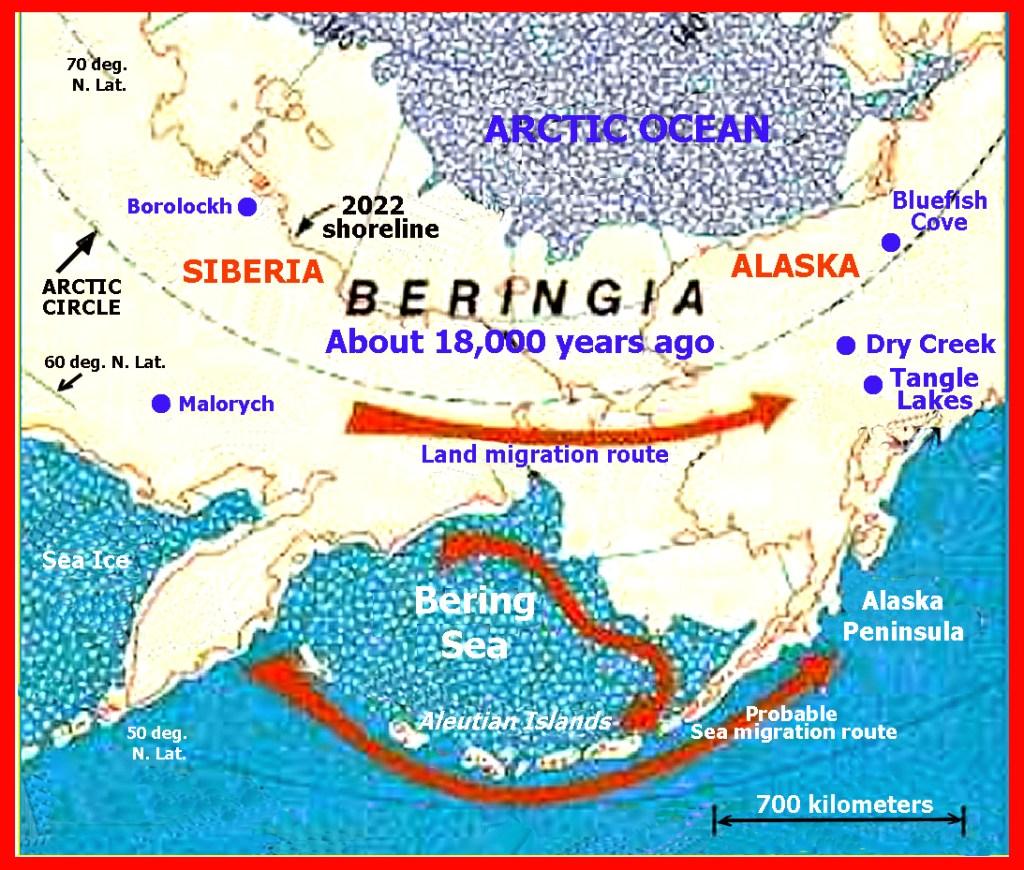
“Scientists have long suspected that Native Americans are closely related to the peoples of Siberia and especially those of the Altai, which is a tiny region in Central Russia. The Altai people are believed to have migrated from Siberia across Chukotka and Alaska, and their descendants South to Tierra del Fuega in South America. The DNA evidence now Indicates that Native American ancestors initially reached America from Siberia at most 23,000 years ago, and later differentiating into today’s distinct groups.
Now, after more than a century of speculation, an international group of geneticists using DNA evidence has proven that the Aztecs, Incas, Iroquois are closely related to the peoples of Altai, in the Siberian region that borders China and Mongolia. Altai is a key area because according to Dr. Theodore Schurr, from the University of Pennsylvania in the United States, people have been moving in and out of that area for thousands of years.
WHERE IS THE ALTAI REGION? (MAP)
HUMAN MIGRATION MAP, NATIONAL GEOGRAPHIC, April 2018
In 2015 the Russian geneticist, Oleg Balanovsky, finnaly confirmed the theory. In addition, Sr. Balanovsky’s studies also proved that some Native Americans have kinship with the Indigenous populations of Australia. Research by Valery Illyinsky at the RAS Institute of General Genetics confirms the theory that the Altal people are closely related to the Native American an tribes (see HE Yu 2020)
Paleo Native Americans from Siberia would most likely have crossed into the Americas across Beringia when a Land Bridge was present. Paleo Siberians are closely related to Indigenous Americans, as well as to the East and SouthEast Asian groups, with whom they share a common origin from an ancestral East Asian source population in Mainland Southeast Asia. However, the occasional ancient contacts in America by people from other world geographic areas, such as japan, Middle East and Africa do not seem to have affected the genomes of the present day Native Americans significantly (See ethnic 1).
Additional analyses of genetic markers has also been used to link groups of indigenous peoples. Studies focused on markers on the Y chromosome, which is always inherited by sons from their fathers. Haplogroup Q is a unique mutation shared among most indigenous peoples of the Americas. Studies have found that 93.8% of Siberia’s Ket people and 66.4% of Siberia’s Selkup people possess the mutation. The principal-component analysis suggests a close genetic relatedness between some northern Native Americans (the Chipewyan [Ojibwe] and the Cheyenne) and certain populations of central/southern Siberia (particularly the Kets, Yakuts, Selkups, and Altaians), at the resolution of major Y-chromosome haplogroups. This pattern agrees with the distribution of mtDNA haplogroup X, which is found in North America, is absent from eastern Siberia, but is present in the Altaians of southern central Siberia.
The Ontario HIV Treatment Network is a non-profit funded by HIV and Hepatitis C Programs at the Ontario Ministry of Health. Our work brings together collaborators from across the sector and the world to influence decision-making and improve the lives of all Ontarians living with and at risk of HIV.
Our attributed population includes more than 100,000 residents spanning 32,000 km.
2
Algoma’s vast geography and sparse population can create challenges for access to and delivery of health and social services. Isolated communities, lack of public transportation in and between communities, staff retention, travel costs, and hazardous driving conditions are all significant factors.
Life expectancy
Life expectancy at birth in Algoma is lower for both males and females than the provincial average. In Algoma, males are expected to live to around 76 years old (80 Ontario-wide), whereas females are expected to live to 82 (84 Ontario-wide).
The average age in Algoma is 45.5 – four years older than the provincial average.
Social determinants of health
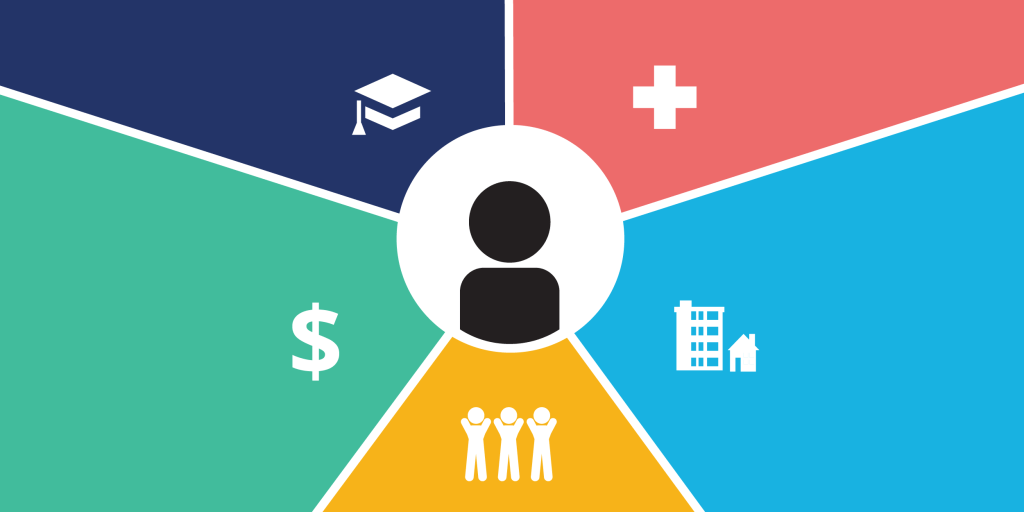
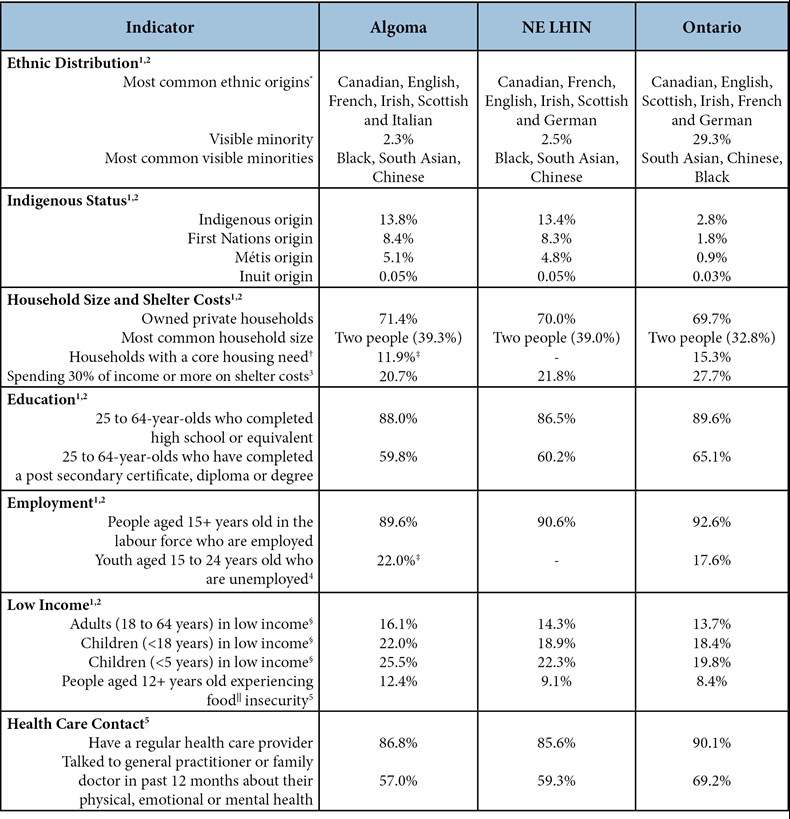
Health in Algoma communities can be influenced by ethnic distribution, Indigenous status, household size and costs, education, employment, income, and access to health care (APH, 2018). In Algoma, several of these indicators are notable when compared to Ontario as whole. This includes a higher number of Indigenous and Francophone community members and a higher percentage of residents with low income. Because Algoma is a diverse and widespread community, these population characteristics help underpin the importance of taking an equity-focused approach and emphasize the value of culturally appropriate care.
when the US preaching everyone to join them…The Canadian Response…
A maternal death is defined by the World Health Organization as “the death of a woman while pregnant or within 42 days of termination of pregnancy, irrespective of the duration and the site of the pregnancy, from any cause related to or aggravated by the pregnancy or its management, but not from accidental or incidental causes” (1).
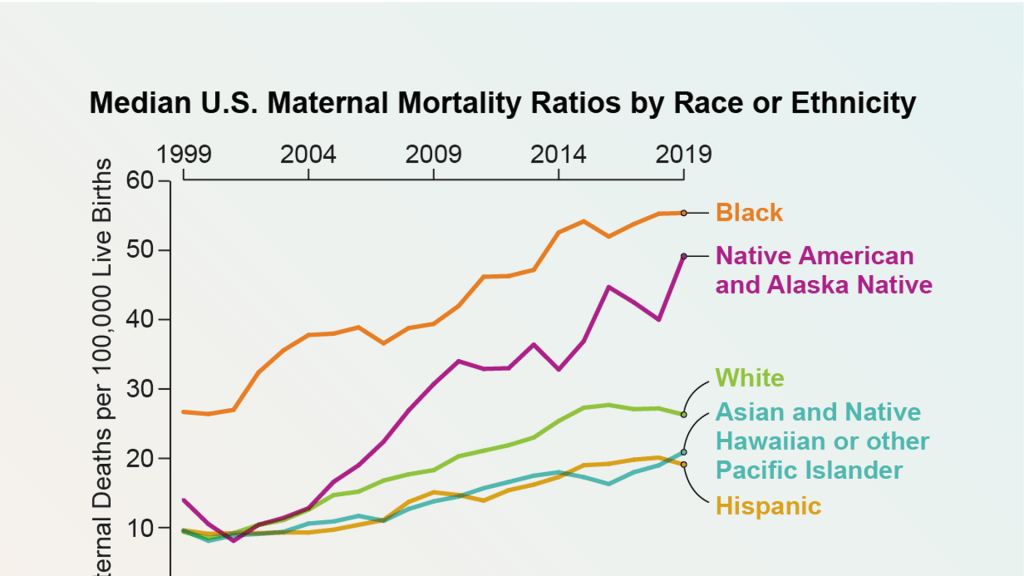
In 2021, the maternal mortality rate for non-Hispanic Black (subsequently, Black) women was 69.9 deaths per 100,000 live births, 2.6 times the rate for non-Hispanic White (subsequently, White) women (26.6) (Figure 1 and Table). Rates for Black women were significantly higher than rates for White and Hispanic women. The increases from 2020 to 2021 for all race and Hispanic-origin groups were significant.
Rates increased with maternal age. Rates in 2021 were 20.4 deaths per 100,000 live births for women under age 25, 31.3 for those aged 25–39, and 138.5 for those aged 40 and over (Figure 2 and Table). The rate for women aged 40 and over was 6.8 times higher than the rate for women under age 25. Differences in the rates between age groups were statistically significant. The increases in the rates between 2020 and 2021 for each of these age groups were statistically significant.
The Video and Articles – look at some of the potential causes of Cancer Risk – in younger population – such as diet, body weight (overweight and its health risk factors), lifestyle – exercise, rise in microplastics and other environmental factors;
Dr. Anthony Kaveh discusses the concerning rise in cancer rates among young adults, traditionally the lowest-risk group. In this informative video, Dr. Kaveh explores preventable forms of cancer, like colorectal and cervical cancer, which are seeing an uptick in diagnoses among younger people. He emphasizes the importance of early screening and the role of lifestyle choices and environmental factors in cancer risk. By understanding these factors, young adults can take proactive steps to advocate for their health and potentially prevent cancer development. Join us as we delve into the causes and preventative measures for these increasingly prevalent health concerns. 💛 Learn about Dr. Kaveh’s transformational Ketamine clinic: https://www.clarus-health.com 🫀 Exclusive access to Dr. Kaveh’s live streams + more: / @medicalsecrets
Timestamps: 0:00 – Introduction to Rising Cancer Risks in Young Adults 0:25 – Why Young Adults Are At Risk 3:00 – Colorectal and Cervical Cancer: What’s the Increase? 4:05 – Environmental Factors and Cancer Risks 7:00 – Genetic Factors and Screening Importance 9:00 – The Role of Diet and Obesity 12:00 – How to Advocate for Health and Prevent Cancer #CancerPrevention, #YoungAdultHealth, #HealthAwareness
The cell cycle is the series of stages that a cell goes through as it grows and divides. It’s also known as the cell-division cycle.
Stages of the Cell Cycle
G1 phase: The cell grows
S phase: The cell copies its chromosomes, creating two sister chromatids for each chromosome
G2 phase: The cell checks the duplicated chromosomes and prepares to divide
M phase: The cell separates the copied chromosomes into two sets, and then divides into two new cells
Interphase
The period between mitotic divisions (G1, S, and G2) is called interphase. During interphase, the cell grows, replicates its chromosomes, and prepares for division.
Daughter cells
The resulting cells, known as daughter cells, each enter their own interphase and begin a new round of the cell cycle.
Cell Cycle Regulation
The cell cycle is a key regulatory mechanism of cellular growth and proliferation. Dysregulation of the cell cycle is thought to be the first step in carcinogenesis.
Cell cycle regulation refers to the control mechanisms that determine whether cells will divide, remain dormant, arrest, or undergo programmed cell death. It plays a crucial role in normal tissue repair and regeneration, and its disruption is a key feature of cancer. Various signaling pathways are involved in cell cycle regulation, and alterations in these pathways can be induced by both carcinogenic and non-carcinogenic agents. While significant progress has been made in understanding these pathways, our knowledge of cell cycle regulation is still incomplete. Further research in this area may provide insights into diseases that result from dysregulation of these pathways.
Cell Specialization – How Cells become Specialized
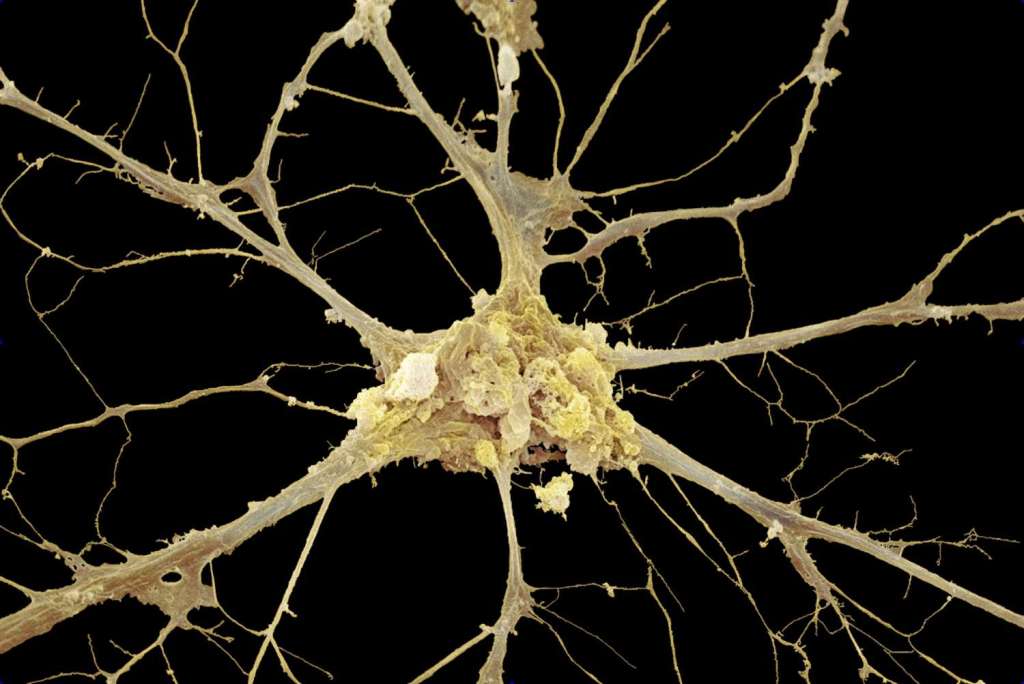
If a cell is specialized, it has unique structures that allow it to carry out its function in the body. All cells start as stem cells, which are cells that can become many other types of cells. They go through a process called differentiation to become specialized. During differentiation, different environmental cues trigger changes in protein synthesis inside the cell. Different genes are turned on or off through gene regulation; this creates different proteins, and thus structure and function for the cell.
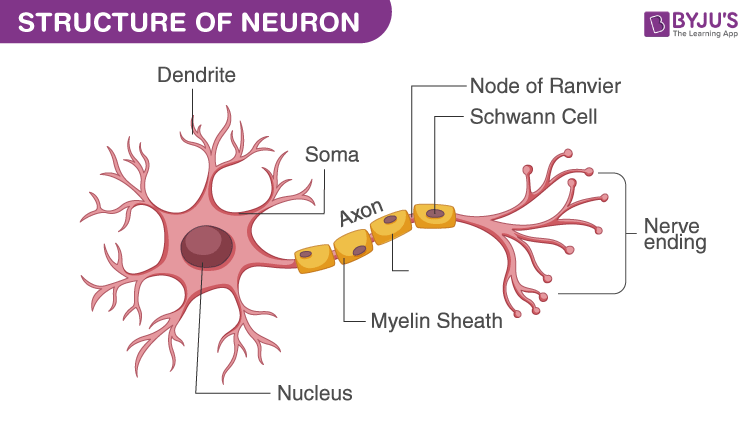
For example, all cells in the human body have the same DNA. However, neurons in our brain are very different from skin cells because neurons turn on genes needed for their job and thus make neuronal proteins, and skin cells turn on epithelial genes to make proteins required for their job.
Broken heart syndrome is a heart condition that’s often brought on by stressful situations and extreme emotions. The condition also can be triggered by a serious physical illness or surgery. Broken heart syndrome is usually temporary. But some people may continue to feel unwell after the heart is healed.
People with broken heart syndrome may have sudden chest pain or think they’re having a heart attack. Broken heart syndrome affects just part of the heart. It briefly interrupts the way the heart pumps blood. The rest of the heart continues to work as usual. Sometimes the heart contracts more forcefully.
Medicines are used to treat symptoms of broken heart syndrome.
Broken heart syndrome also may be called:
Stress cardiomyopathy.
Takotsubo cardiomyopathy.
Recurrent takotsubo cardiomyopathy.
Apical ballooning syndrome.
Symptoms
Symptoms of broken heart syndrome can mimic those of a heart attack. Symptoms may include:
Homeostasis is the tendency to resist change in order to maintain a stable, relatively constant internal environment.
Homeostasis typically involves negative feedback loops that counteract changes of various properties from their target values, known as set points.
In contrast to negative feedback loops, positive feedback loops amplify their initiating stimuli, in other words, they move the system away from its starting state.
: a relatively stable state of equilibrium or a tendency toward such a state between the different but interdependent elements or groups of elements of an organism, population, or group











 bismillahschool.net