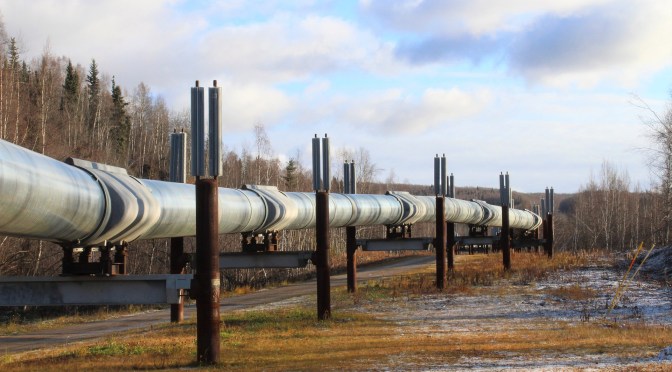
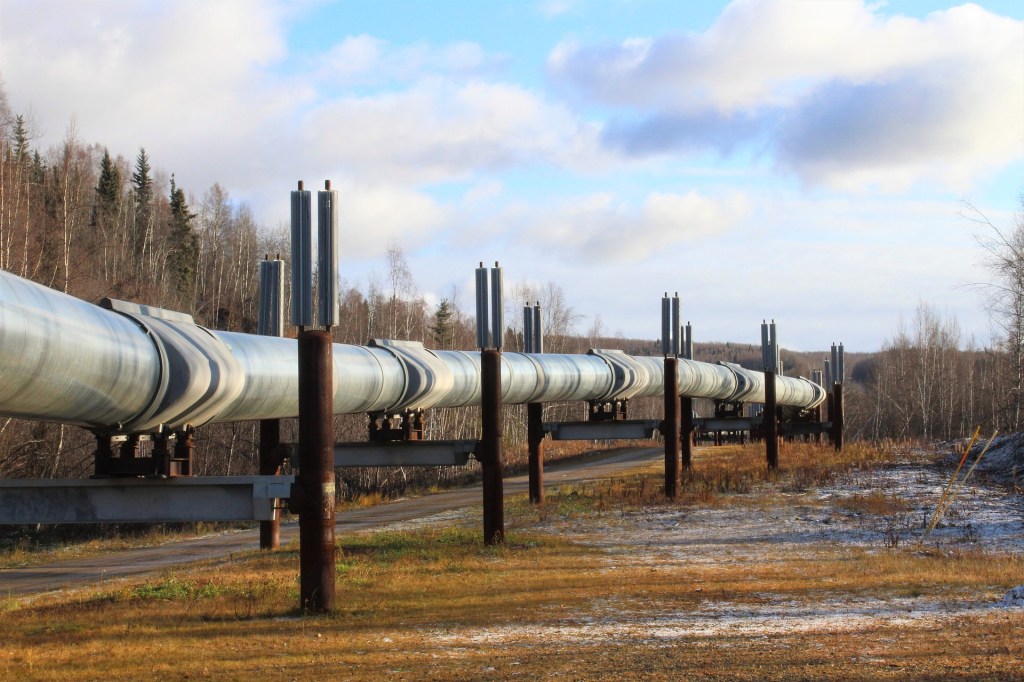
Canada faces a choice: Build new fossil fuel pipelines that deepen the climate crisis, damage ecosystems, endanger communities and enrich oil and gas billionaires, or build a truly resilient, people- and nature-centred future powered by renewables.
In November 2025, Prime Minister Mark Carney made a damaging deal with Alberta to fast-track a new diluted bitumen oil pipeline to B.C.’s coast while rolling back key environmental protections. This pipeline would lock Canada into deeper dependence on a declining, high-polluting industry and put North Pacific ecosystems and coastal First Nations at risk from increased tanker traffic and catastrophic oil spills.
There’s still time to stop this pipeline ploy and choose a fossil-fuel free future. Alberta intends to submit its pipeline proposal to the federal government’s Major Projects Office by July 1, 2026.
Act now! Message Carney and ask him to reject Alberta’s pipeline ploy.
People throughout Canada are facing more frequent and intense climate disasters and are struggling to put food on the table during a cost-of-living-crisis. Meanwhile, politicians are pandering to wealthy fossil fuel companies and giving them tax breaks.
There are better ways to strengthen Canada — such as building out an east-west electricity grid powered by affordable renewable energy, which would lower household energy bills. Real nation-building projects will advance climate objectives, protect nature, uphold Indigenous rights and create long-term prosperity.
Together we can choose a better path.
#Environmental Protextions; #Canada; Block #fossil fueel new pipeline;
Drax to stop burning B.C. wood pellets for U.K. energy: A significant milestone for the climate
March 12, 2026
səl̓ílwətaʔɬ (Tsleil-Waututh), xʷməθkwəy̓əm (Musqueam) and Skwxwú7mesh (Squamish) Territories (Vancouver, B.C.) — International energy giant Drax has begun to phase out burning forest biomass from British Columbia at its power station in the United Kingdom. As reported by The Guardian, Drax will stop burning “controversial” wood from forests in Canada at its North Yorkshire power station within the next year.
This is a significant milestone. It demonstrates that burning forest biomass to generate energy at utility-scale is untenable and sends a warning signal to all governments and investors currently supporting the global biomass industry: this dirty form of energy is a weak economic proposition.
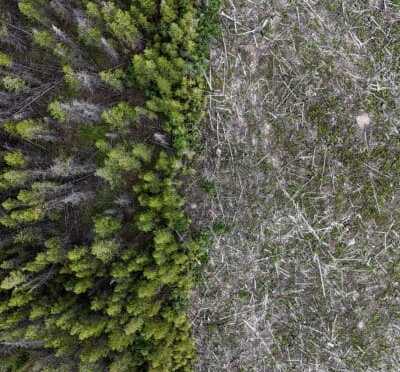
B.C.’s failure to properly protect old growth and enact a biodiversity law have been exposed on the international stage. As other countries examine their wood pellet supply chains, the facts are clear – there is no sustainable way to source biomass for export from forests in B.C.
This move by Drax follows years of political controversy and public outcry in the U.K. over the company’s Canadian sourcing practices. Most recently, a Stand.earth investigation confirmed that Drax purchased whole logs cut from old growth forests in 2024, and very likely in 2025. This conclusive finding adds to an existing body of evidence in reports, documentaries, and whistleblower testimony.
However, the broader problems with the biomass export industry in Canada continue. While the company will no longer burn biomass from B.C. in the U.K., Drax continues to hold a near-monopoly on wood pellet production in the province, and is likely to continue sourcing from old growth and primary forests to supply customers in Asian and European countries.
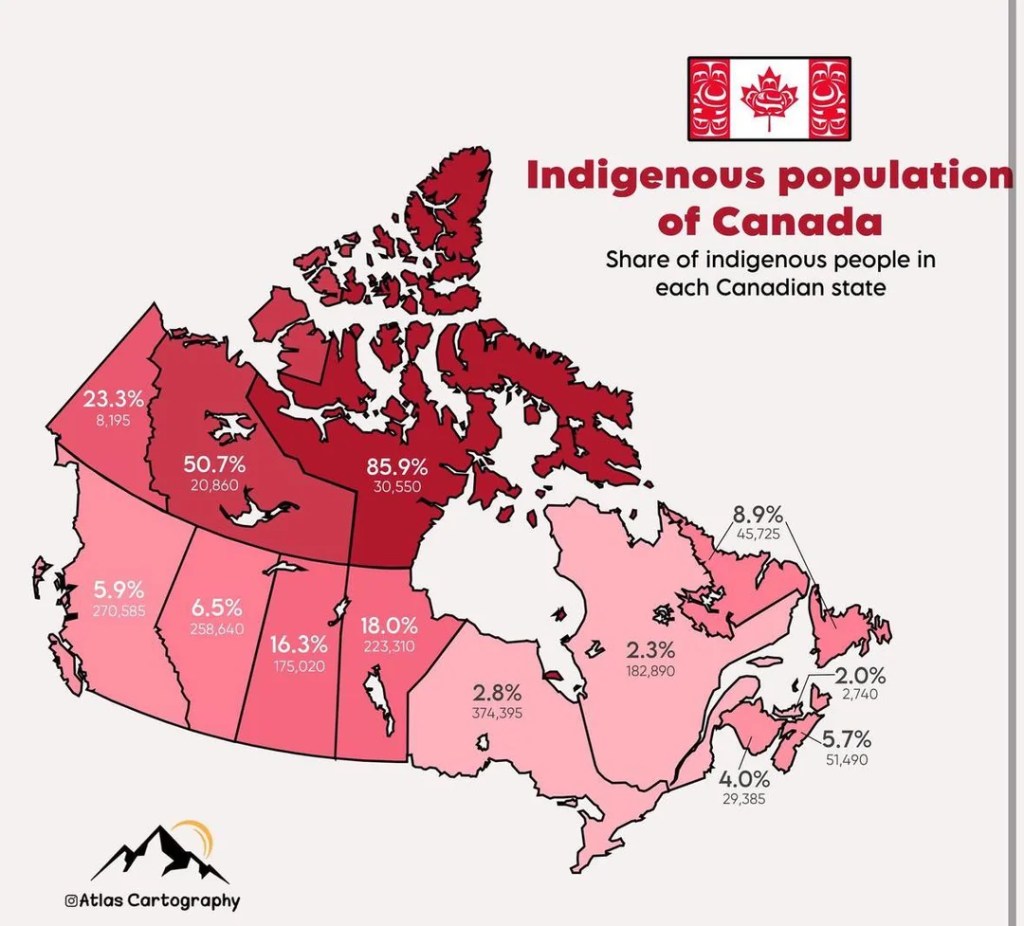
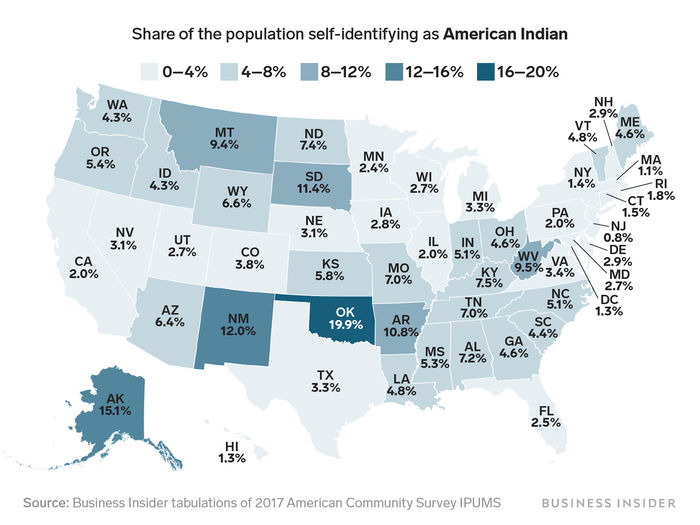
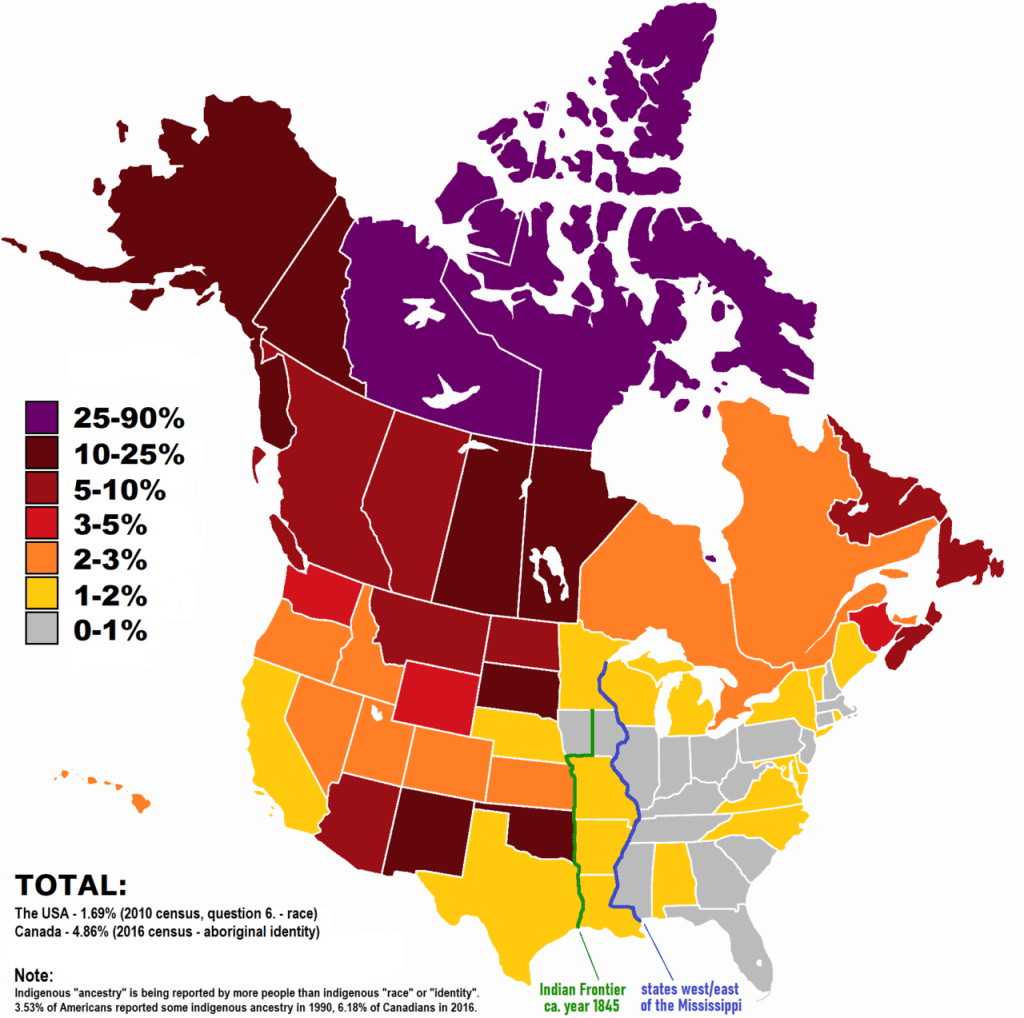
Native people of Canada – or First Nations people – represent 5 percent of Canadian people (with different rates within different provinces)- with a rate of population growth; however – what exactly happened with the other 95 percent?!Excluding the Land possession – Doesn’t this sound like Genocide to anyone with a brain the size of a mustard grain?!
According to the 2021 Census, there were 1.8 million Indigenous people, representing 5.0% of the total Canadian population, up from 4.9% in 2016.
National Indigenous History Month and National Indigenous Peoples Day are opportunities to learn more about the unique cultures, traditions and experiences of First Nations people, Métis, and Inuit. This is also a time to honour the history, achievements, and resilience of Indigenous peoples, who have been living on this land since time immemorial and whose presence continues to impact the evolution of the country. Using 2021 Census of Population data, let’s shed some light on these populations (https://thecanadianencyclopedia.ca/en/article/genocide-and-indigenous-peoples-in-canada)
Forced Living in Reserves without the Right to Leave – Historical Facts
From 1885 into the 1940s, a pass system controlled Indigenous people’s movement, requiring those living on reserve to get written permission from an “Indian agent” (government officials) when needed to leave their community.
Reserves Today
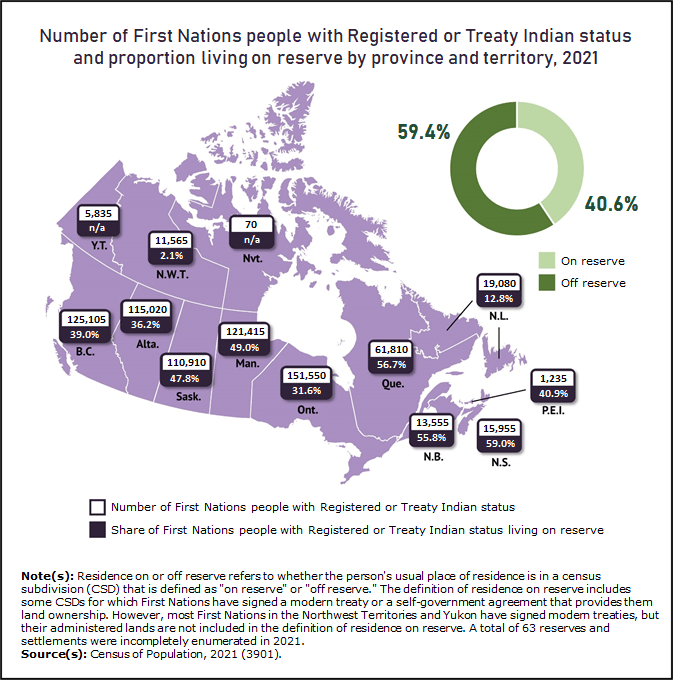
Reserves are still vital land bases for Indigenous people across Canada, which continue to be classified as federal land but as self-governed by Indigenous people of their community.
Some reserves have the most concerning conditions in Canada, such as isolated communities with high poverty rates, substance addiction, suicide, unemployment, and mortality.
It is widely acknowledged that the cultural genocide and social disruption over generations by displacements, discriminatory legislation, and political neglect results in long-term hardships and hinder the re-establishment of social networks and stable communities.
According to the 2021 Census, there were 1.8 million Indigenous people, representing 5.0% of the total Canadian population, up from 4.9% in 2016.
However, this growth was not as fast as in previous years. For example, from 2011 to 2016, the Indigenous population grew by 18.9%, more than double the 2021 growth rate.
For the first time, the Census enumerated more than 1 million (1,048,405) First Nations people living in Canada.
The Language Issues:
English and French are the two “Offiicial” languages of Canada, enjoying equal status, rights, and privileges in all federal government institutions, parliament, and courts. Established by the Official Languages Act (1969) and the Charter of Rights and Freedoms (1982), this policy guarantees Canadians the right to receive federal services in either language
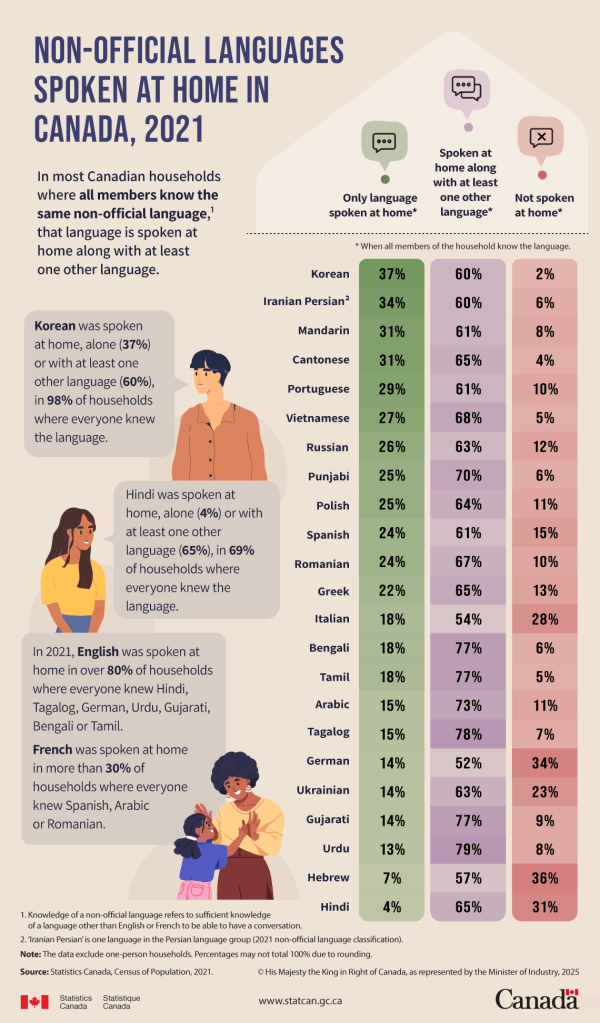
Isn’t it Strange that No Native Languages are official Languages – also Colonization Effect – and again every person may speak their Language – and I guess we use English for convenience; but then again technically speaking Canada should have a goverment language – which may happen to be English – due to colonization – and no official language as technically speaking – Canada and US have majority immigrant populations – so the majority of populations in major urban centers speak a Different language at home.
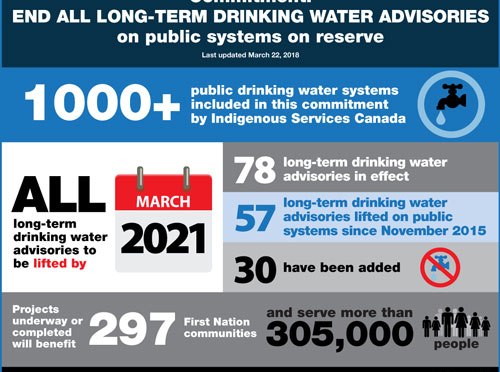
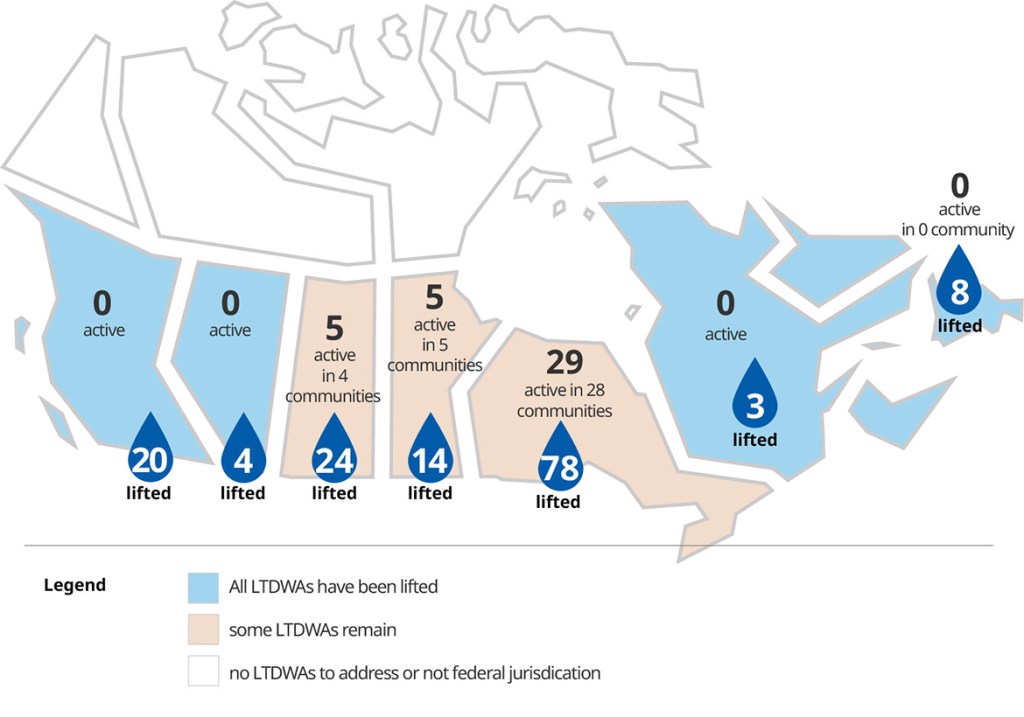
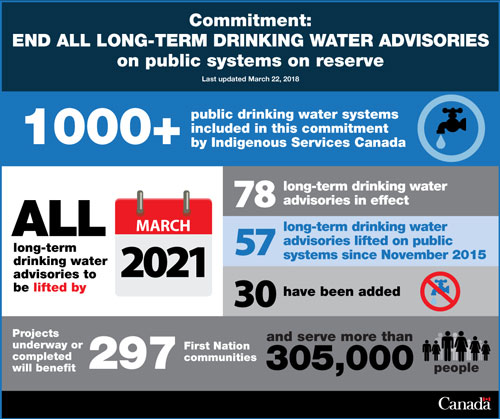
#Canada ; #genocide; #history; #Colonization; #boiling water advisories; #sucide rates; #poverty; #forced Sterilizations, #Language Issues and #History;
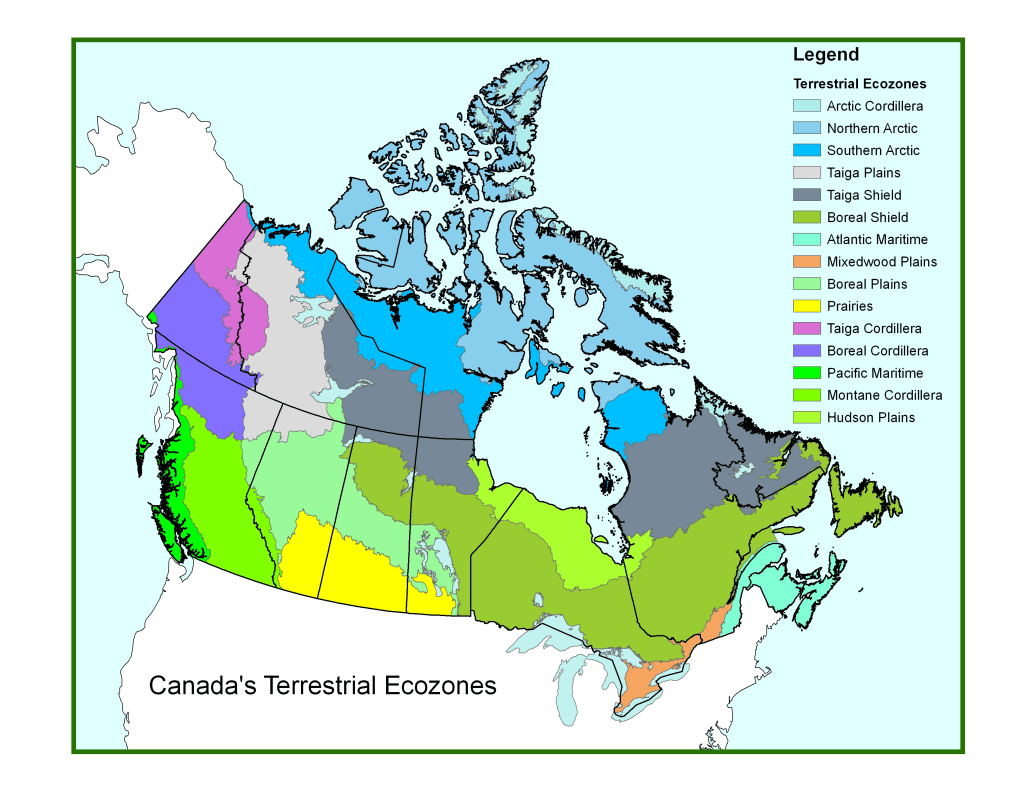
An ecozone is an area of Earth’s surface representing large, very generalized ecological units. Each ecozone is characterized by a unique interplay of geologic, climatic, vegetative, wildlife and human activity factors.
Canada has 20 ecozones: 15 terrestrial and 5 marine. The 15 terrestrial ecozones are further divided into 53 ecoprovinces, and those in turn are subdivided into 194 ecoregions.
Ecozones, ecoprovinces and ecoregions are useful units for reporting and planning purposes at, respectively, the national, provincial and regional levels.
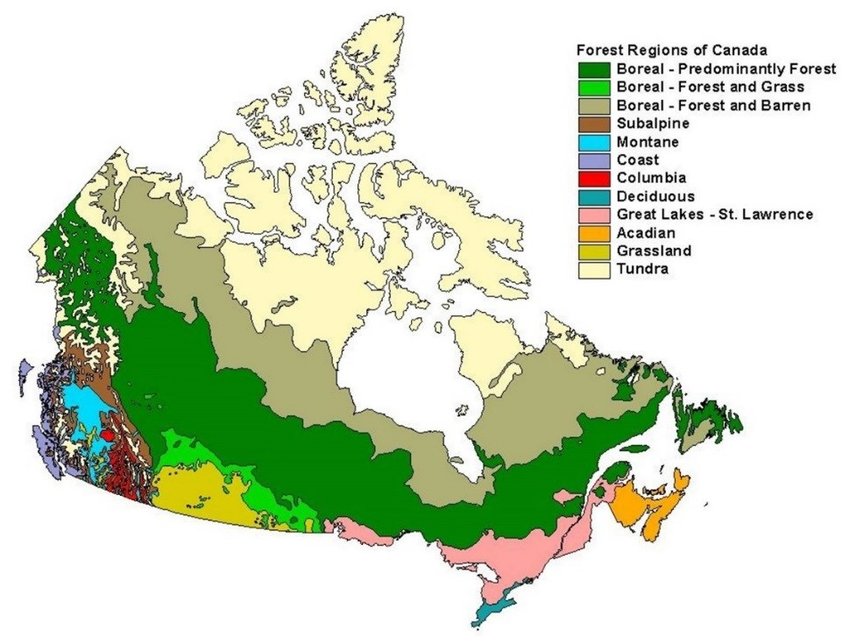
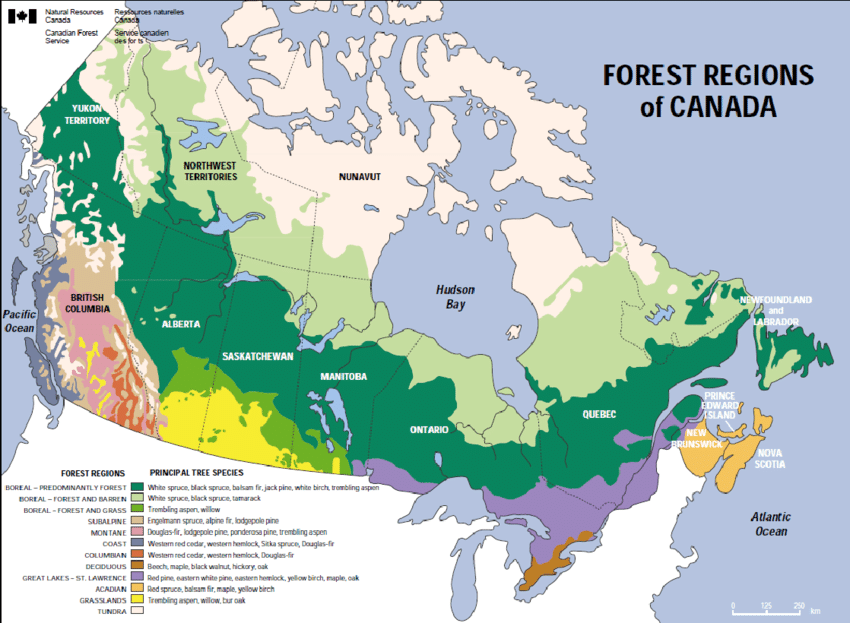
Ecozones are the broadest classification type for forests
Acadian Forest RegionLocated in Quebec as well as the Maritime Provinces in Eastern Canada, and extends into the United States.
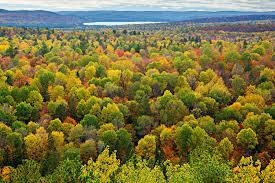
Boreal Forest RegionThe largest forest region in Canada. It is located in the north and contains about one-third of the world’s circumpolar boreal forests (also sometimes referred to as a snow forest).
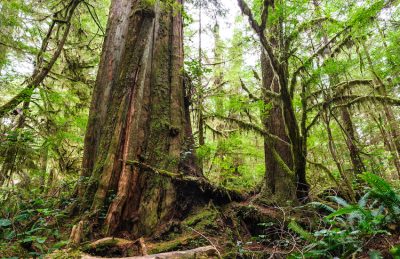
Coast Forest RegionLocated on the west coast, this region is home to almost entirely coniferous trees such as the Douglas-fir, Sitka spruce, western hemlock, and western red cedar.
Columbia Forest RegionThis region is located between the Rocky Mountains and the central plateau in British Columbia.
Deciduous Forest RegionThis Canadian forest region is located between Lake Huron, Lake Ontario, and Lake Erie in southwestern Ontario.
Great Lakes – St. Lawrence Forest– This region is the second-largest forest region and is located from southeastern Manitoba to the Gaspé Peninsula.
Montane Forest Region – Located in the west of Canada, this region covers parts of the Kootenays, the central plateau of British Columbia, and a number of valleys close to Alberta’s border.
Subalpine Forest Region– This region is located in British Columbia and Alberta.
If you found out that at least $200 million of public funding went towards a single major corporation and its subsidiaries over the last few years, would you have questions about its operations? What if I told you they also managed 22 million hectares of forest across Canada [1]? Furthermore, what if they had global ties to a corporation with a documented track record of environmental and human rights violations [2]? Our brand new reports highlight the concerning lack of transparency and accountability surrounding the company that has been establishing itself as a logging giant across Canada for the last two decades: Domtar, formerly known as Paper Excellence and Resolute. Forests are living, breathing systems that sustain life, not just resources to be commodified. And now, with the Carney government giving natural resource lobbyists (those hired to speak on behalf of industry behind closed doors) so much access, pushing for transparency and accountability has never been more important [3].
These new reports trace Domtar’s extensive lobbying activity during a critical four-year period, when the company (operating under different names) was facing growing public scrutiny, attempting to silence us through legal action, and approaching a federal investigation [4, 5, 6]. Despite clear rebranding and a carefully crafted “green” image [7], serious transparency gaps remain. Domtar’s sole owner, Jackson Wijaya, has still not appeared before the House of Commons Committee—even after being formally requested to do so [8]. Canadians are being left in the dark about who truly controls the largest forestry company in the country [9] and what that control means for the future of forests and communities. What the reports reveal is deeply concerning: The research shows that as Domtar ramped up lobbying ahead of federal scrutiny, it received over $200 million in public funding while facing environmental penalties and mill closures—raising serious questions about transparency and public benefit. This all reveals a stark imbalance: vast amounts of political access and public money flowing to one company, with too little transparency in return—at a moment when Canada’s forests are already under intense pressure from industrial logging, old growth logging, biodiversity loss, and a rapidly changing climate [10, 11, 12].
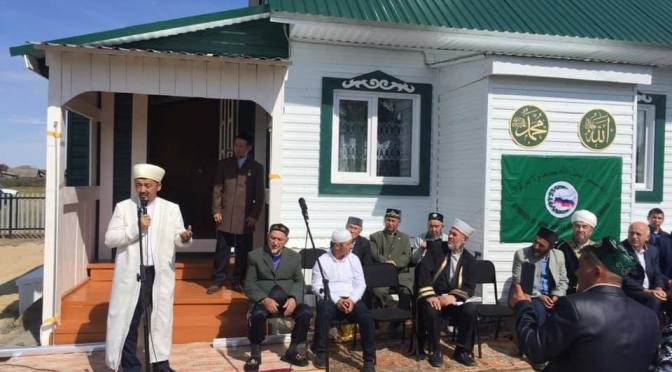
❄ The 1000-year-old tradition of Siberian Muslims ❄ How to pray in -50°C ❄ The reality of melting snow and performing ablution ❄ Long fasts of 19–21 hours ❄ The lives of Tatar and Bashkir Muslims ❄ The practice of Islam in Russia and Siberia This isn’t just a documentary, it’s a story of faith’s warmth and patience.
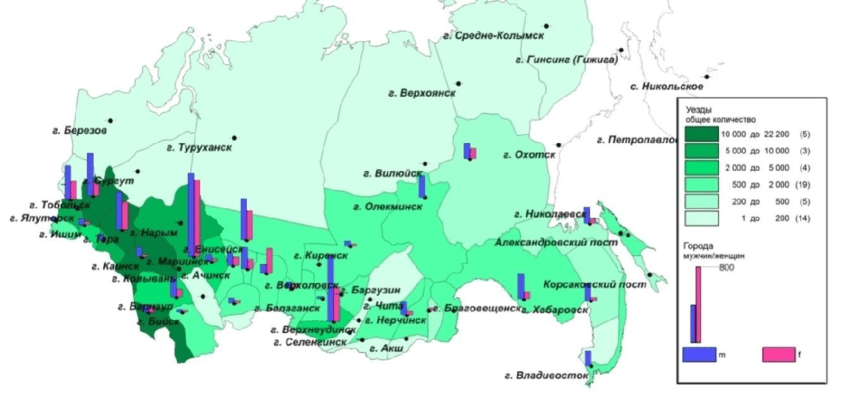
“The Muslim population of Siberia represented an ethnically heterogeneous community, which included Tatars, as well as immigrants from Central and Central Asia, the Caucasus and other regions. Such polyethnicity and proximity to the Asian region, as one of the centers of Muslim culture, contributed to building contacts between Muslims of Siberia and Central Asia. Expansion of the territorial borders of the Russian Empire in the second half of the 19th century. and the government’s special interest in Central Asia has influenced the development of relations between the Muslim population of the two neighboring regions. The purpose of this study was to identify the main areas of interaction between the Muslim population of Siberia and Central Asia in the second half of the 19th – early 20th century, as well as to estimate the role of the state in regulating this process. Based on archival material, the author found that one of the areas of interaction of the Muslim population was organizing spiritual life. Despite the fact that the government, in an effort to extend its influence to the Asian region, provided support to the Muslim population in the second half of the 19th century, the same building codes were applied to the construction of religious buildings for Bukharans, as for all other Muslims. The closest contacts between the Muslims of Siberia and the Bukharians were built within the framework of pilgrimage trips, since often the way to Mecca for them lay through the territories of Central Asia. In addition, there were holy places in the region, which the Muslims of Siberia aspired to. This fact was of particular concern to the Government. The reforms initiated in the country aimed at limitation of the rights of the Muslim population have reduced the migration flow from the Asian region to Siberia. “
In this powerful documentary, we explore the hidden life of Muslims in Alaska, where nature itself becomes a test of faith. Alaska is known for its extreme weather, but few people know that in some parts of Alaska, there are 6 months of daylight and 6 months of darkness. For Muslims living there, daily prayers, fasting in Ramadan, and raising children with Islamic values become a real challenge. How do Muslims pray when the sun does not set? How do they fast during Ramadan in Alaska? How do Muslim families survive isolation, cold, and religious minority pressure? This video reveals the real struggles, faith, and resilience of Alaska Muslims — from prayer in freezing temperatures to maintaining Islamic identity in a non-Muslim society. This is not just a story about Alaska. It is a story about faith, patience, and belief under extreme conditions. 👉 Watch till the end to understand how Islam survives in one of the harshest places on Earth.
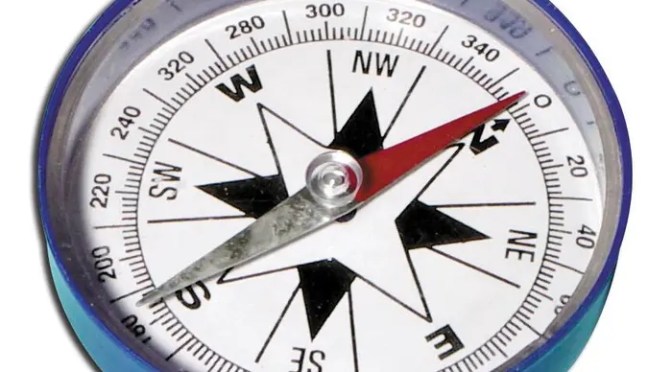
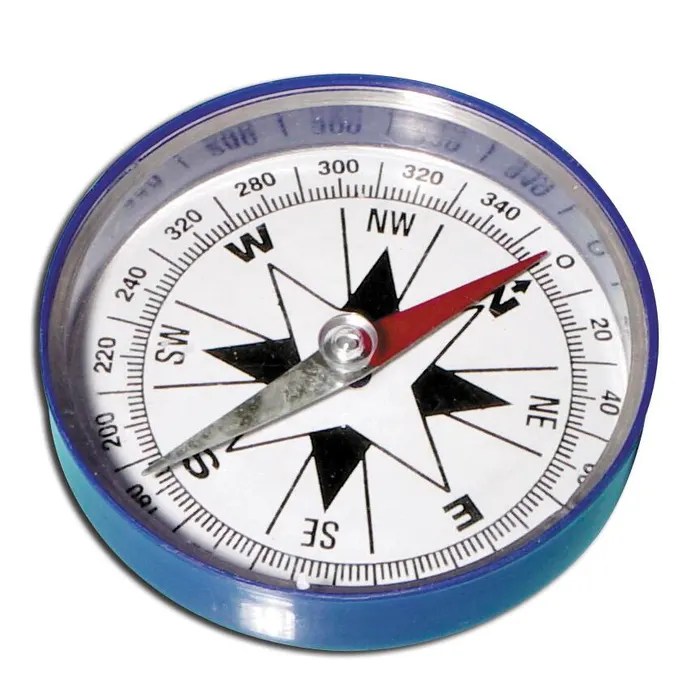
A compass is a navigational tool that indicates direction, typically using a magnetized needle that aligns with Earth’s magnetic field to point towards the magnetic North Pole, helping users find North, South, East, and West for orientation and travel. While the most common type is the magnetic compass, other versions use gyroscopes or GPS, but the principle remains finding cardinal directions.
Earth’s Magnetic Field:Our planet acts like a giant magnet with north and south poles, creating invisible magnetic lines of force.
Magnetized Needle: A compass has a lightweight, magnetized needle (often iron) balanced on a pivot so it can spin freely.
Alignment: The needle detects Earth’s magnetic field and aligns itself, with one end pointing to the magnetic North Pole.
Cardinal Directions: Once the needle points north, users can easily determine the other cardinal directions (South, East, West) and use markings on the compass card (or rose) to find specific bearing.
DRAW A COMPASS
A compass is a tool that helps you find your way in the righ ..
CAEH has been challenged by a generous donor to raise $100,000 by December 31st. Every dollar we raise will be matched. Can you help us hit the goal? Donate here.
STORY OF ELIZABETH HAZEL:
Every time I go downtown, I’m reminded why this work matters so much.
I’m a survivor of the poisoned drug supply crisis, and I’ve lived without knowing where I was going to fall asleep at night. Unlike so many who are out in the rain, snow, and freezing temperatures tonight, I was lucky enough to have a friend let me crash in their bed while they slept on the couch for a few nights. When I got my social assistance cheque, it was enough to rent a room and start getting back on my feet.
That was back in 2015. Today, it’s effectively impossible to rent a private room, let alone a studio apartment, if you’re living off Canada’s social safety net. Homelessness would have been my inevitable outcome if I had gone through the same struggles today.
When I see someone shivering in the rain or snow, I know that could be me. That is why I not only work at the Canadian Alliance to End Homelessness, but why I also make a personal monthly donation too.
Everyone deserves to live with dignity, safety, and a place to call home, especially those who are suffering the way I was when I lost my health, my job, my marriage, my home, and my sense of self-worth. We deserve safety at our most vulnerable, not just when we are thriving.
I’m so proud that with our collective advocacy, Build Canada Homes is prioritizing affordable housing, with a full $1 billion earmarked for supportive housing. We need this kind of housing to keep people like me from falling into homelessness and help people without a home find a safe place they can afford.
If you’re thinking about making a year-end gift, this matching campaign makes your support go twice as far – meaning twice the opportunity, twice the hope for the communities we help, and twice the chance to end homelessness.
A brand-new supporter was moved by the momentum from Giving Tuesday and has offered a $100,000 matching gift. This means that every donation made by December 31st will be doubled – making the season of giving even more impactful.
If you’re able to contribute before the year ends, can you chip in now to help us put your generosity to work – with double the impact? This will go towards helping prevent people from falling into homelessness.
We’ve accomplished so much this year, thanks to you and your support. I’m personally grateful for everything you do to help our work and spread the message to more people across the country.
Thank you for being part of our movement and believing in this work with me, I’m so grateful to have you as an ally. It means the world to me, and to everyone at CAEH.
The longest time I travelled was Tronto to Edmonton drive – with stops every 700 to 900 km daily; (3,299 km) – main city stops: Sault Ste Marie, Thunder Bay, Winnipeg, Saskatoon, Edmonton; each day 1 motel stop; I guesss seen some of Canada 3 week trip back and forth – like I’ve never seen it in my life; also remote areas you may drive like 300 km and only see trees or grain unless you top in a village of 500 people;
DISTANCE:
The approximate driving distances are: Toronto to Sault Ste. Marie (700 km), Sault Ste. Marie to Thunder Bay (700 km), Thunder Bay to Winnipeg (700 km), Winnipeg to Saskatoon (560 km), and Saskatoon to Edmonton (530 km), for a total approximate distance of 3,190 km (1,982 miles) for the entire route, not including the first leg from Toronto to Sault Ste. Marie.
Also Edmonton to Jasper and Banff and back route to Calgary, saskatoon, Winninpeg, Thunder Bay, Sault Ste. Marie, Toronto.
Towns located between Toronto and Edmonton include cities and towns in Ontario, Manitoba, Saskatchewan, and Alberta, such as Sault Ste Marie , Thunder Bay (ON), Winnipeg (MB), Regina (SK), Saskatoon (SK), Calgary (AB), and Lethbridge (AB), with the specific towns and cities depending on your chosen rout
















 bismillahschool.net