
Tag Archives: #Canada

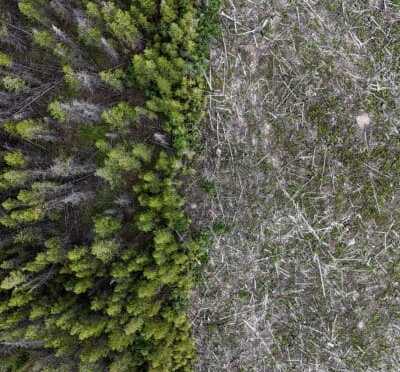
Drax stop burning wood Pellets – saving forests
Drax to stop burning B.C. wood pellets for U.K. energy: A significant milestone for the climate
March 12, 2026
səl̓ílwətaʔɬ (Tsleil-Waututh), xʷməθkwəy̓əm (Musqueam) and Skwxwú7mesh (Squamish) Territories (Vancouver, B.C.) — International energy giant Drax has begun to phase out burning forest biomass from British Columbia at its power station in the United Kingdom. As reported by The Guardian, Drax will stop burning “controversial” wood from forests in Canada at its North Yorkshire power station within the next year.
This is a significant milestone. It demonstrates that burning forest biomass to generate energy at utility-scale is untenable and sends a warning signal to all governments and investors currently supporting the global biomass industry: this dirty form of energy is a weak economic proposition.
B.C.’s failure to properly protect old growth and enact a biodiversity law have been exposed on the international stage. As other countries examine their wood pellet supply chains, the facts are clear – there is no sustainable way to source biomass for export from forests in B.C.
This move by Drax follows years of political controversy and public outcry in the U.K. over the company’s Canadian sourcing practices. Most recently, a Stand.earth investigation confirmed that Drax purchased whole logs cut from old growth forests in 2024, and very likely in 2025. This conclusive finding adds to an existing body of evidence in reports, documentaries, and whistleblower testimony.
However, the broader problems with the biomass export industry in Canada continue. While the company will no longer burn biomass from B.C. in the U.K., Drax continues to hold a near-monopoly on wood pellet production in the province, and is likely to continue sourcing from old growth and primary forests to supply customers in Asian and European countries.
#Saving Forest; #stop; #burning wood pellets; #British Columbia; #Canada,
Native Canadians – or Genocide Narratives
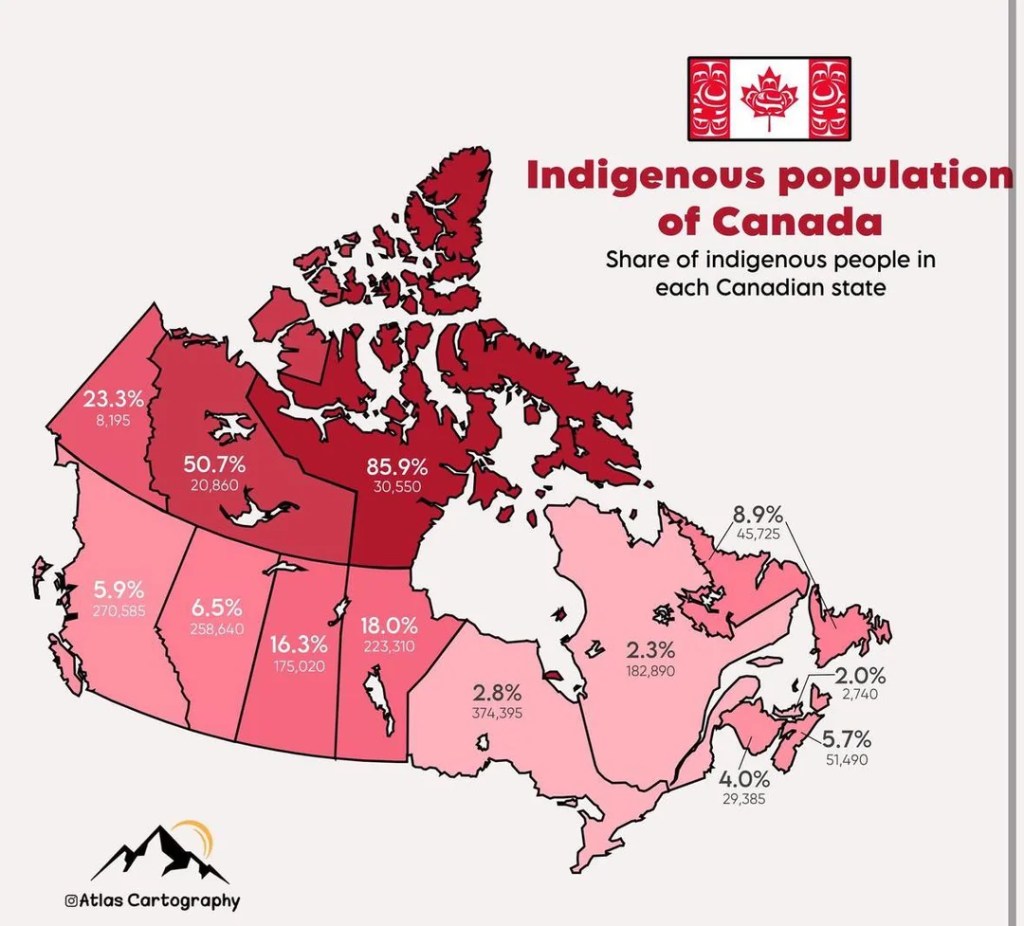
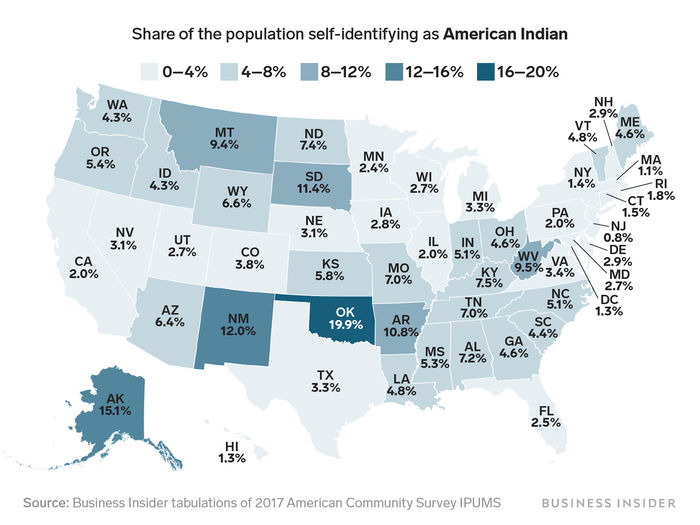
Native people of Canada – or First Nations people – represent 5 percent of Canadian people (with different rates within different provinces)- with a rate of population growth; however – what exactly happened with the other 95 percent?!Excluding the Land possession – Doesn’t this sound like Genocide to anyone with a brain the size of a mustard grain?!
According to the 2021 Census, there were 1.8 million Indigenous people, representing 5.0% of the total Canadian population, up from 4.9% in 2016.
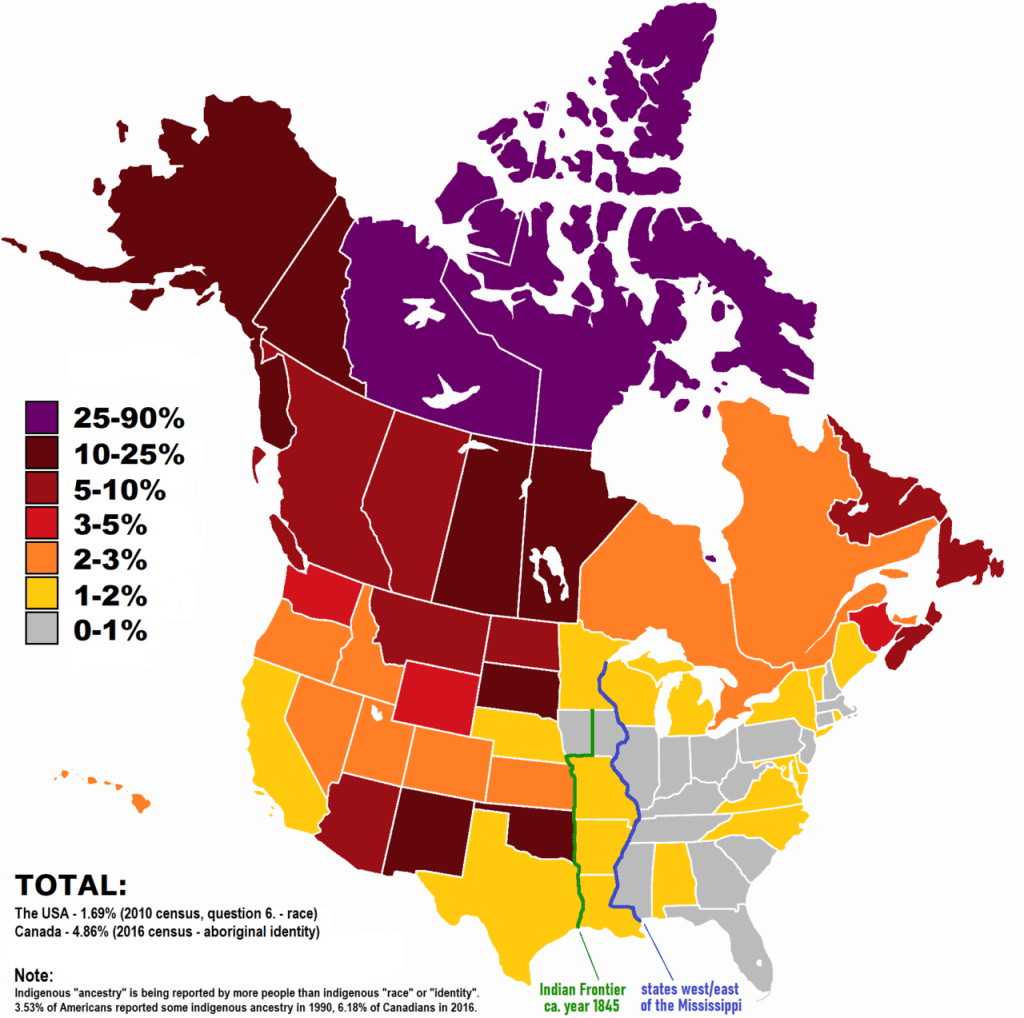
Genocide is the intentional destruction of a particular group through killing, serious physical or mental harm, preventing births and/or forcibly transferring children to another group. The term has been applied to the experiences of Indigenous peoples in Canada, particularly in the final reports of the Truth and Reconciliation Commission (see also Residential Schools) and the Missing and Murdered Indigenous Women and Girls inquiry.
National Indigenous History Month and National Indigenous Peoples Day are opportunities to learn more about the unique cultures, traditions and experiences of First Nations people, Métis, and Inuit. This is also a time to honour the history, achievements, and resilience of Indigenous peoples, who have been living on this land since time immemorial and whose presence continues to impact the evolution of the country. Using 2021 Census of Population data, let’s shed some light on these populations (https://thecanadianencyclopedia.ca/en/article/genocide-and-indigenous-peoples-in-canada)
Forced Living in Reserves without the Right to Leave – Historical Facts
- From 1885 into the 1940s, a pass system controlled Indigenous people’s movement, requiring those living on reserve to get written permission from an “Indian agent” (government officials) when needed to leave their community.
Reserves Today
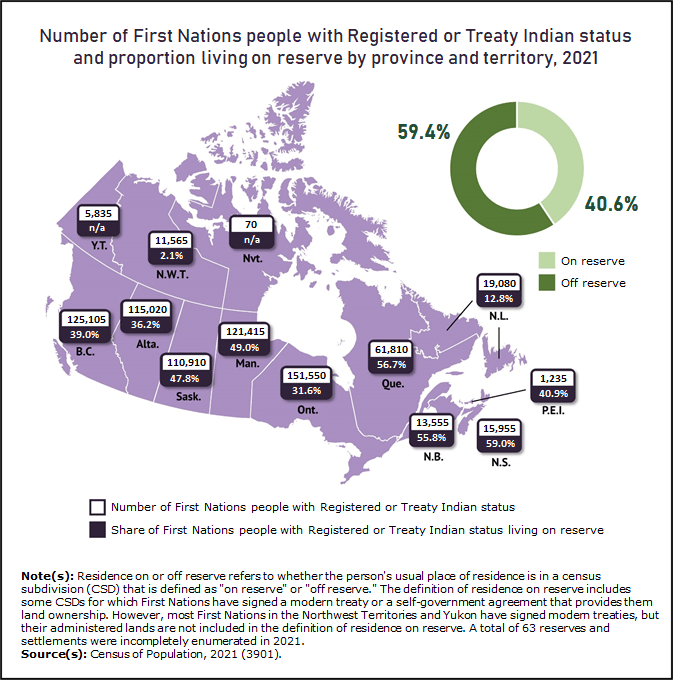
Reserves are still vital land bases for Indigenous people across Canada, which continue to be classified as federal land but as self-governed by Indigenous people of their community.
Some reserves have the most concerning conditions in Canada, such as isolated communities with high poverty rates, substance addiction, suicide, unemployment, and mortality.
It is widely acknowledged that the cultural genocide and social disruption over generations by displacements, discriminatory legislation, and political neglect results in long-term hardships and hinder the re-establishment of social networks and stable communities.
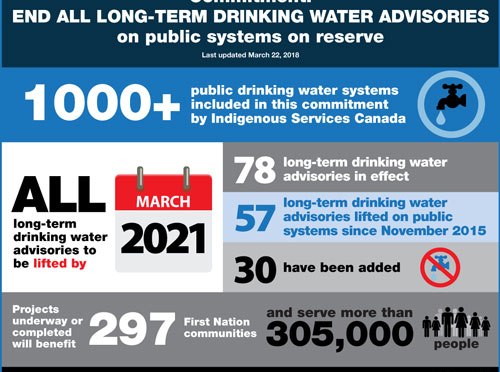
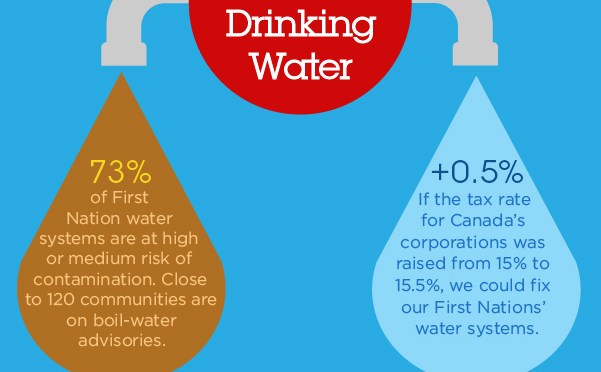
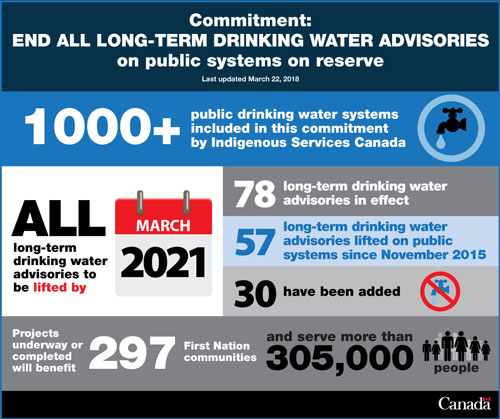
UnSafe Driking Water – Boil Water Adisories
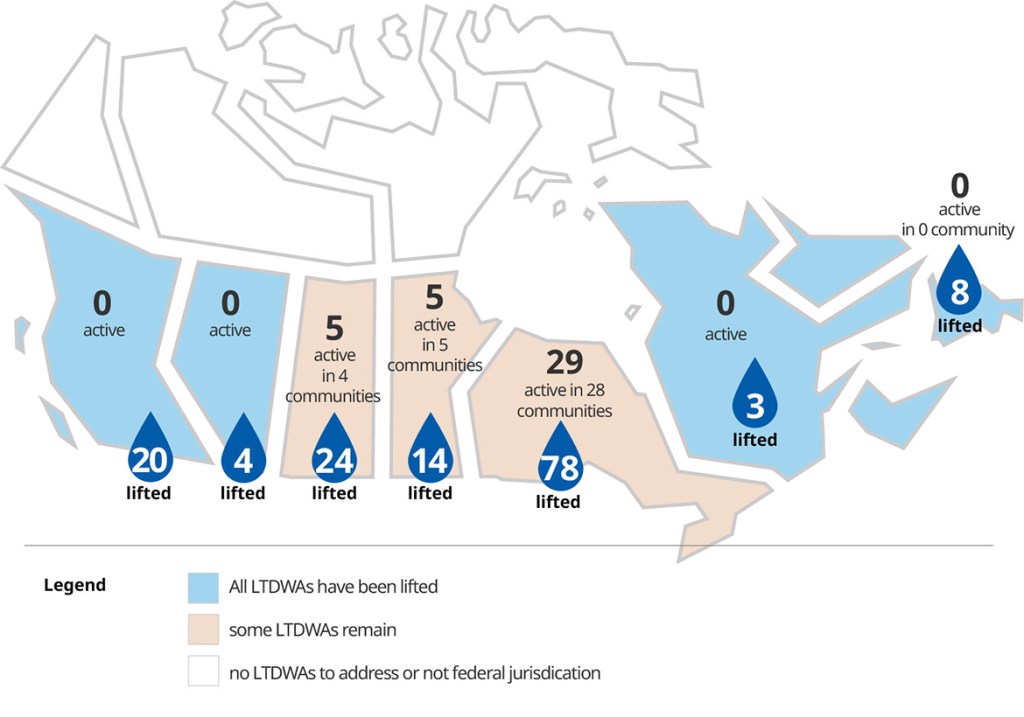
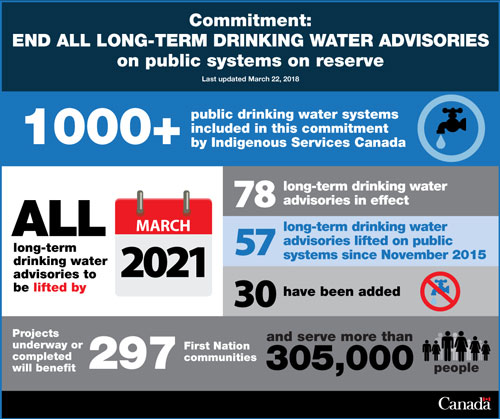
https://www.sac-isc.gc.ca/eng/1614387410146/1614387435325;
https://www.sac-isc.gc.ca/eng/1614387410146/1614387435325
More than 1.8 million Indigenous people
According to the 2021 Census, there were 1.8 million Indigenous people, representing 5.0% of the total Canadian population, up from 4.9% in 2016.
However, this growth was not as fast as in previous years. For example, from 2011 to 2016, the Indigenous population grew by 18.9%, more than double the 2021 growth rate.
For the first time, the Census enumerated more than 1 million (1,048,405) First Nations people living in Canada.
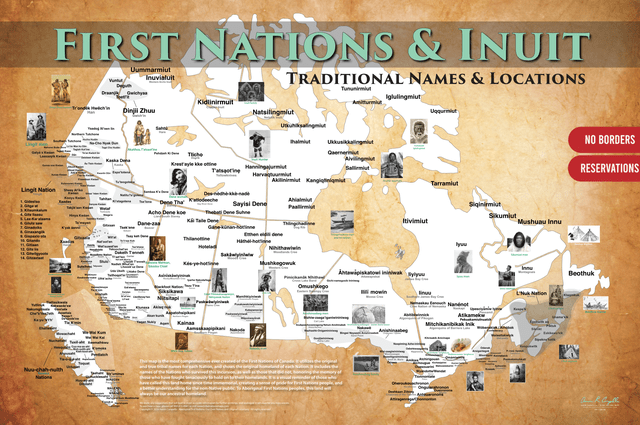
The Language Issues:
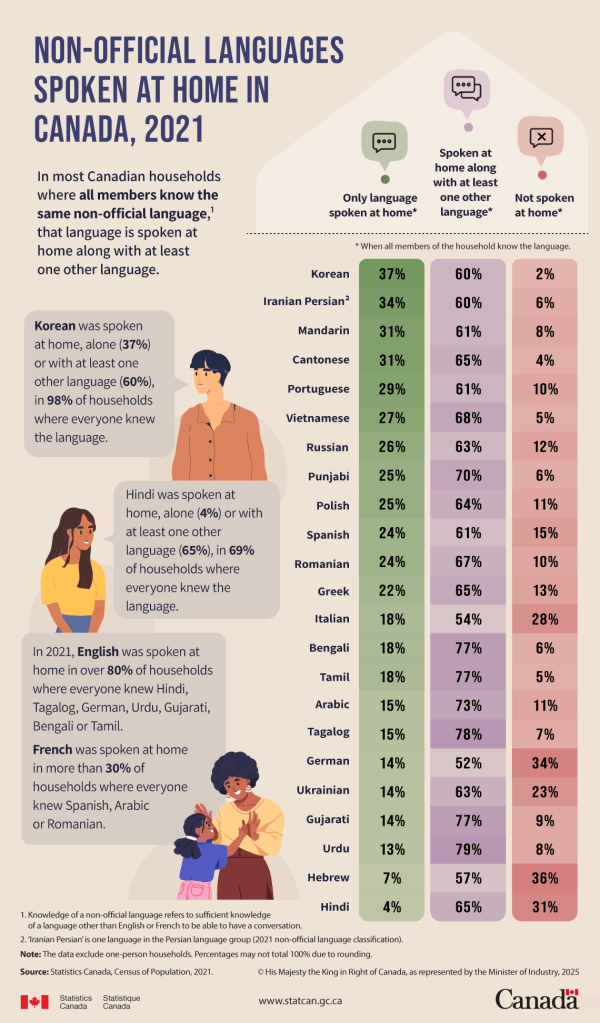
English and French are the two “Offiicial” languages of Canada, enjoying equal status, rights, and privileges in all federal government institutions, parliament, and courts. Established by the Official Languages Act (1969) and the Charter of Rights and Freedoms (1982), this policy guarantees Canadians the right to receive federal services in either language
Isn’t it Strange that No Native Languages are official Languages – also Colonization Effect – and again every person may speak their Language – and I guess we use English for convenience; but then again technically speaking Canada should have a goverment language – which may happen to be English – due to colonization – and no official language as technically speaking – Canada and US have majority immigrant populations – so the majority of populations in major urban centers speak a Different language at home.
#Canada ; #genocide; #history; #Colonization; #boiling water advisories; #sucide rates; #poverty; #forced Sterilizations, #Language Issues and #History;

Muslim Welfare Center

In 1993, the pioneering efforts of Major Muhammad Abbas Ali (1921-2009) and his wife, Sarwar Jahan Begum (1928-2013) launched the Muslim Welfare Centre and its Halal Food & Essential Items Bank. From the very beginning, the food bank has provided individuals and families with non-perishable food items and halal meat. Additionally, essential household items, clothing, footwear and winter gear are provided, based on availability. There has always been a special focus on children and so we provide backpacks at the start of the school year, as well as presents during the holiday season. We have a database of over 9,900 registered families who rely on our food bank to supplement their food requirement. In 2014, our food bank received over 11,400 family visits. Clients are served in Scarborough, Mississauga and Montreal, Quebec. The following groups can access our food bank: The Unemployed Social Welfare Assistance Recipients Employment Insurance Recipients Refugees New Immigrants Anyone in real need Please note clients are permitted to access the food bank once monthly, however special circumstances can be discussed with our staff. Please note valid ID must be presented for registration and on each visit. Acceptable forms of Identification include: SIN Card Passport Immigration ID Driver’s License Proof of Income or Rent Monday to Thursday and Saturday (Including Holidays) – 2:00 – 4:00 pm Registration is done by appointment only. For more information or to register, please call 416-335-9994. Facebook
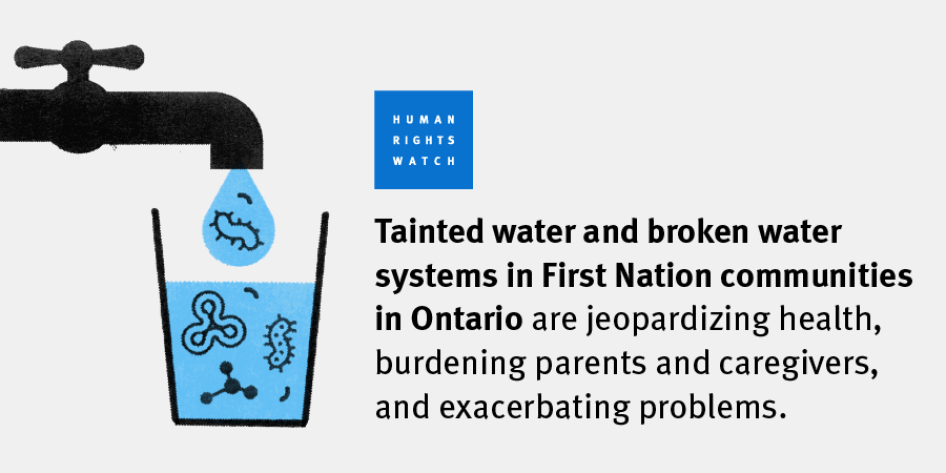
The Relationship between Water Availability and First Nations Sucide Rates
Abstract
First Nations experience disproportionate rates of suicide when compared to the general population. Various risk factors are identified to increase understanding of the prevalence of suicide among First Nations, but environmental dimensions of suicide are understudied. This study asks whether water insecurity, as reflected by long-term drinking water advisories (LT-DWA), has any bearing on the distribution of suicide in First Nations across Canada, and specifically in Ontario. To assess this, we established the proportion of First Nations with LT-DWAs in Canada and in Ontario that have had suicides occur between 2011 and 2016 through a review of media archives. This proportion was compared to census data on the proportion of First Nations with suicides in Canada and in Ontario between 2011 and 2016, and statistical significance of difference was determined through chi-square goodness of fit test. Overall, the findings were mixed. Nationally, there was no significantly difference of proportion of First Nations with LT-DWAs with combined (confirmed and probable) reported suicides occurring when compared to census proportions; however, at the provincial level, findings had significant differences. The authors conclude that water insecurity in First Nations, as indicated by the presence of a LT-DWA in First Nations across may be an important environmental dimension of suicide, contributing to enhanced risk for suicide in First Nations.
Ansloos, J., & Cooper, A. (2023). Is suicide a water justice issue? Investigating long-term drinking water advisories and suicide in First Nations in Canada. International Journal of Environmental Research and Public Health, 20(5), 4045.
1. Introduction
Suicide is one of the most urgent issues facing First Nations in Canada, with suicide rates approximately three times higher compared with the general population [1]. Global incident rates across a 60-year period suggest an upward trend of suicide among Indigenous peoples [2]. For First Nations in Canada, suicide is often cited as a leading cause of death for youth [3], and the leading cause of death for adults under the age of 44 [4]. Many risk factors are identified to increase understanding of the disproportionate prevalence of suicide among First Nations, but there is an urgent need to understand environmental dimensions. This exploratory study investigates one potential environmental dimension of suicide among First Nations: water insecurity.
1.1. Suicide among First Nations in Canada
As early as 1995, the Royal Commission on Aboriginal Peoples categorized suicide risk factors for First Nations, including biopsychological factors (e.g., depression, substance use disorders), situational factors (e.g., disruptions to family life due to child welfare policies, off-reserve hospitalizations), socioeconomic factors (e.g., income levels, education levels), and cultural stressors (e.g., suppression of belief systems and spirituality, racial discrimination) [5]. Since then, a range of other demographic factors, including gender, age, and geographic location, have been found to have a significant bearing on rates of suicide among First Nations. Youth aged 15 to 24, men, and those living on reserve, are at higher risk for suicide [1]. Socioeconomic factors have also been consistently associated with high rates of suicide in First Nations [6,7,8]. Recently, household income, labour force status, education, and marital status accounted for 66% of suicide risk after adjusting for risk associated with age and sex among First Nations adults [1], demonstrating that socioeconomic factors have heavy bearing on suicide rates. However, to date, environmental dimensions of suicide among First Nations have received little research.
Qualitative studies have suggested that First Nations affected by a lack of access to safe drinking water are likely to have disproportionately high suicide rates [28] and that water insecurity may be associated with mental health issues in First Nations [36], which by extension might intersect with suicide risk. Among Indigenous peoples in Canada, more broadly, it has been found that mental health outcomes associated with suicide may be affected by climate change, and in particular changes to land, ice, snow, weather, and sense of place [37,38,39]. Related to this, research has shown that environmental changes and related damages to environmental infrastructure accompanying climate change are linked to enhanced psychosocial distress, which in turn might affect suicidality [37]. In a recent study among Inuit in Nunatsiavut, climate change enhanced the likelihood of suicidal ideation [40,41].
https://www.mdpi.com/1660-4601/20/5/4045#Findings
https://archive.org/details/ansloos-water-insecurity-suicide-May-2023

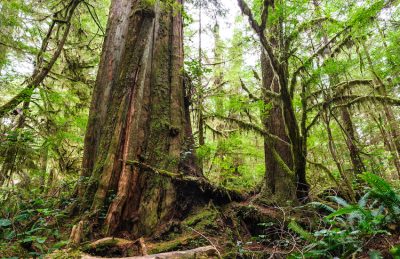
Canada’s Forest Regions
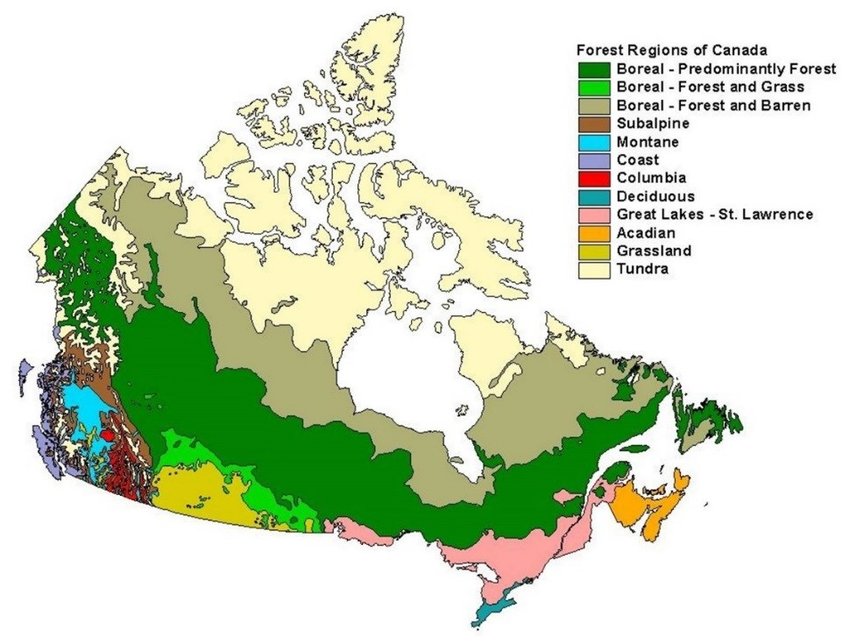
The forests of Canada are located within eight different regions:
| Forest region | Location | Predominant tree species |
|---|---|---|
| Acadian | Maritimes | red spruce, balsam fir, yellow birch |
| Boreal | Northern Canada | white spruce, black spruce, balsam fir, jack pine, white birch, trembling aspen, tamarack, willow |
| Carolinian (Deciduous) | southwestern Ontario | beech, maple, black walnut, hickory, oak |
| Coast | British Columbia | western redcedar, western hemlock, Sitka spruce, Douglas-fir |
| Columbia | British Columbia | western redcedar, western hemlock, Douglas-fir |
| Great Lakes–St Lawrence | central Canada | red pine, eastern white pine, eastern hemlock, yellow birch, maple, oak |
| Montane | British Columbia and Alberta | Douglas-fir, lodgepole pine, ponderosa pine, trembling aspen |
| Subalpine | British Columbia and Alberta | Engelmann spruce, subalpine fir, lodgepole pine |
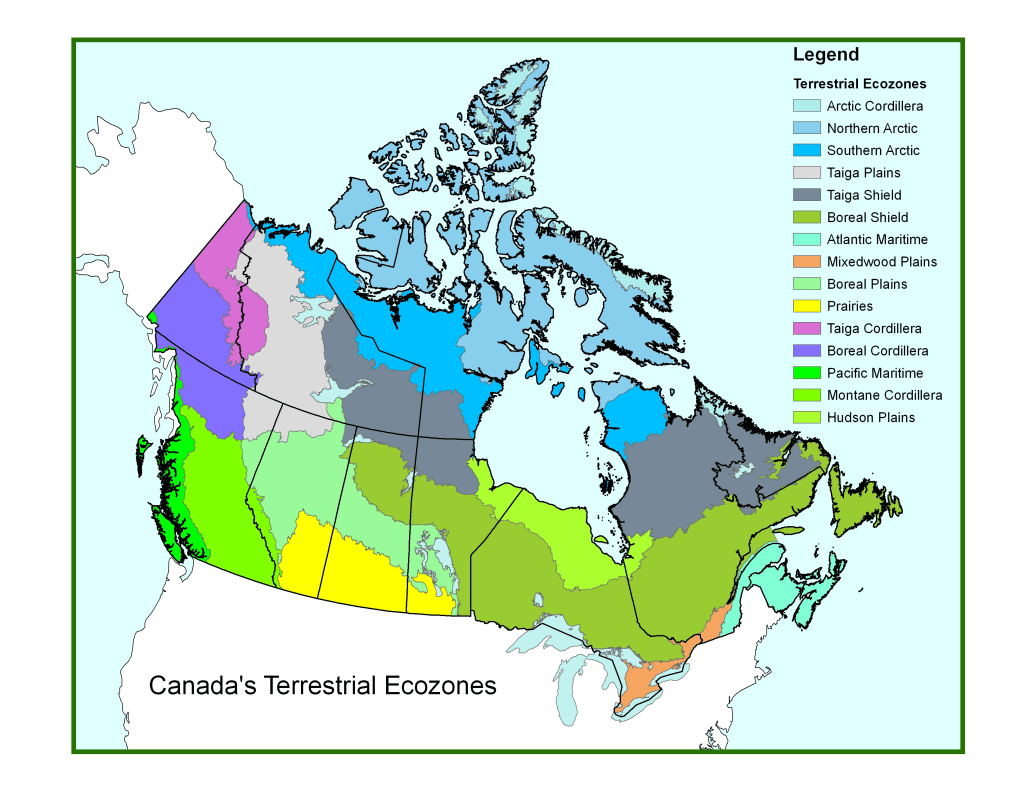
- An ecozone is an area of Earth’s surface representing large, very generalized ecological units. Each ecozone is characterized by a unique interplay of geologic, climatic, vegetative, wildlife and human activity factors.
- Canada has 20 ecozones: 15 terrestrial and 5 marine. The 15 terrestrial ecozones are further divided into 53 ecoprovinces, and those in turn are subdivided into 194 ecoregions.
- Ecozones, ecoprovinces and ecoregions are useful units for reporting and planning purposes at, respectively, the national, provincial and regional levels.
Ecozones are the broadest classification type for forests
- Acadian Forest RegionLocated in Quebec as well as the Maritime Provinces in Eastern Canada, and extends into the United States.
- Boreal Forest RegionThe largest forest region in Canada. It is located in the north and contains about one-third of the world’s circumpolar boreal forests (also sometimes referred to as a snow forest).
- Coast Forest RegionLocated on the west coast, this region is home to almost entirely coniferous trees such as the Douglas-fir, Sitka spruce, western hemlock, and western red cedar.
- Columbia Forest RegionThis region is located between the Rocky Mountains and the central plateau in British Columbia.
- Deciduous Forest RegionThis Canadian forest region is located between Lake Huron, Lake Ontario, and Lake Erie in southwestern Ontario.
- Great Lakes – St. Lawrence Forest– This region is the second-largest forest region and is located from southeastern Manitoba to the Gaspé Peninsula.
- Montane Forest Region – Located in the west of Canada, this region covers parts of the Kootenays, the central plateau of British Columbia, and a number of valleys close to Alberta’s border.
- Subalpine Forest Region– This region is located in British Columbia and Alberta.
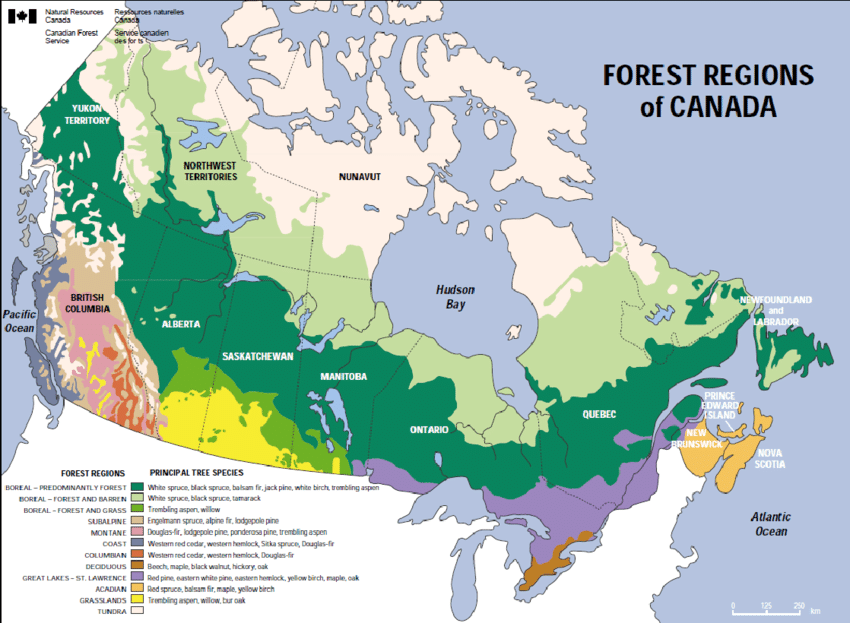

Sources:
#Canada, #Forest Types, #Ecozones,
Protect Canada’s Forests

| If you found out that at least $200 million of public funding went towards a single major corporation and its subsidiaries over the last few years, would you have questions about its operations? What if I told you they also managed 22 million hectares of forest across Canada [1]? Furthermore, what if they had global ties to a corporation with a documented track record of environmental and human rights violations [2]? Our brand new reports highlight the concerning lack of transparency and accountability surrounding the company that has been establishing itself as a logging giant across Canada for the last two decades: Domtar, formerly known as Paper Excellence and Resolute. Forests are living, breathing systems that sustain life, not just resources to be commodified. And now, with the Carney government giving natural resource lobbyists (those hired to speak on behalf of industry behind closed doors) so much access, pushing for transparency and accountability has never been more important [3]. |
| These new reports trace Domtar’s extensive lobbying activity during a critical four-year period, when the company (operating under different names) was facing growing public scrutiny, attempting to silence us through legal action, and approaching a federal investigation [4, 5, 6]. Despite clear rebranding and a carefully crafted “green” image [7], serious transparency gaps remain. Domtar’s sole owner, Jackson Wijaya, has still not appeared before the House of Commons Committee—even after being formally requested to do so [8]. Canadians are being left in the dark about who truly controls the largest forestry company in the country [9] and what that control means for the future of forests and communities. What the reports reveal is deeply concerning: The research shows that as Domtar ramped up lobbying ahead of federal scrutiny, it received over $200 million in public funding while facing environmental penalties and mill closures—raising serious questions about transparency and public benefit. This all reveals a stark imbalance: vast amounts of political access and public money flowing to one company, with too little transparency in return—at a moment when Canada’s forests are already under intense pressure from industrial logging, old growth logging, biodiversity loss, and a rapidly changing climate [10, 11, 12]. |
| That’s why we’re calling on Domtar’s owner, Jackson Wijaya, to appear before the House of Commons Committee and fully cooperate with its work. Canadians deserve clear, public answers about who controls Domtar, what the company’s long-term plans are, and what its expansion means for the future of forests and forest-based communities across Canada. Will you now add your name to demand transparency and accountability from the logging giant that’s been taking over forests across Canada? |
https://www.cbc.ca/news/business/paper-excellence-pulp-china-1.6772654
#Protect, #Canada, #Forests, #Logging, #PaperExcellence

Hockey Practice – Machine Shop

Hockey – Kids -Esposito Park

Code to Learn Programs – Students
Designed with inclusivity, cultural relevance, social justice and regional curriculum in mind, our coding & robotics programs are offered free to K-12 classrooms across subject areas.
Coding Project Offerings
Code To Learn offers coding opportunities in many programming languages. We use MakeCode, EarSketch (Python), Weavly, and quite frequently LYNX!
LYNX is a text-based, cloud-based coding environment that is the natural next step for kids that are ready to move on from using blocks to code but might not be quite ready to use more complex programming languages like Python or JavaScript.
LYNX is Canadian-made by the company founded by Seymour Papert—the father of educational computing. It is available in Canadian English, French, Ojibwe, Mi’kmaw, Oji-Cree, Mohawk, with other Indigenous languages to come. Check out LYNXcoding.club
In addition to the project offerings, the LYNX team is:
training FNMI students in LYNX Coding in their own language
creating LYNX Coding in Indigenous Languages
developing educational materials to support provincial curricula
#Coding; #programs; #Kids; #Education; #Canada;

CAEH – Canadian Alliance to end Homelessness

CAEH has been challenged by a generous donor to raise $100,000 by December 31st. Every dollar we raise will be matched. Can you help us hit the goal? Donate here.
STORY OF ELIZABETH HAZEL:
Every time I go downtown, I’m reminded why this work matters so much.
I’m a survivor of the poisoned drug supply crisis, and I’ve lived without knowing where I was going to fall asleep at night. Unlike so many who are out in the rain, snow, and freezing temperatures tonight, I was lucky enough to have a friend let me crash in their bed while they slept on the couch for a few nights. When I got my social assistance cheque, it was enough to rent a room and start getting back on my feet.
That was back in 2015. Today, it’s effectively impossible to rent a private room, let alone a studio apartment, if you’re living off Canada’s social safety net. Homelessness would have been my inevitable outcome if I had gone through the same struggles today.
When I see someone shivering in the rain or snow, I know that could be me. That is why I not only work at the Canadian Alliance to End Homelessness, but why I also make a personal monthly donation too.
Everyone deserves to live with dignity, safety, and a place to call home, especially those who are suffering the way I was when I lost my health, my job, my marriage, my home, and my sense of self-worth. We deserve safety at our most vulnerable, not just when we are thriving.
I’m so proud that with our collective advocacy, Build Canada Homes is prioritizing affordable housing, with a full $1 billion earmarked for supportive housing. We need this kind of housing to keep people like me from falling into homelessness and help people without a home find a safe place they can afford.
If you’re thinking about making a year-end gift, this matching campaign makes your support go twice as far – meaning twice the opportunity, twice the hope for the communities we help, and twice the chance to end homelessness.
A brand-new supporter was moved by the momentum from Giving Tuesday and has offered a $100,000 matching gift. This means that every donation made by December 31st will be doubled – making the season of giving even more impactful.
If you’re able to contribute before the year ends, can you chip in now to help us put your generosity to work – with double the impact? This will go towards helping prevent people from falling into homelessness.
We’ve accomplished so much this year, thanks to you and your support. I’m personally grateful for everything you do to help our work and spread the message to more people across the country.
Thank you for being part of our movement and believing in this work with me, I’m so grateful to have you as an ally. It means the world to me, and to everyone at CAEH.

SCHOOL OPTIONS- CA
Where Parents Learn
How to Choose Schooling.
This site was created by SecondStreet.org, a public policy think tank and registered charity.
Since 2019, we have been working to identify government policy changes that could improve the lives of Canadians, including in the education sector.
We identified a need for a website that could help parents learn about their options when it comes to K-12 schooling – government-run schools, non-government schools, questions to ask potential schools, information on support for homeschooling and more.
You can find those details on this site and if you think there’s something important, we should add – please let us know.
Alternatively, if you would like to learn more about policies that could improve educational offerings available to parents, you can find our research if you click here. Thank you for visiting this site!
 bismillahschool.net