
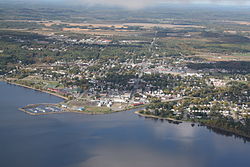


https://ko-fi.com/i/IY8Y21JWCWP – Temiskaming Shores – Northern Ontario

https://ko-fi.com/i/IY8Y21JWCWP – Temiskaming Shores – Northern Ontario
https://ko-fi.com/i/IY8Y31JVI5Z


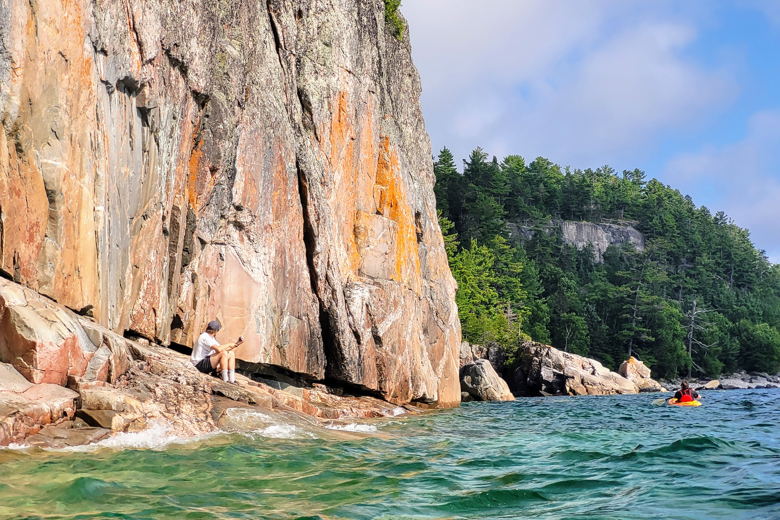
BATCHEWANA BAY
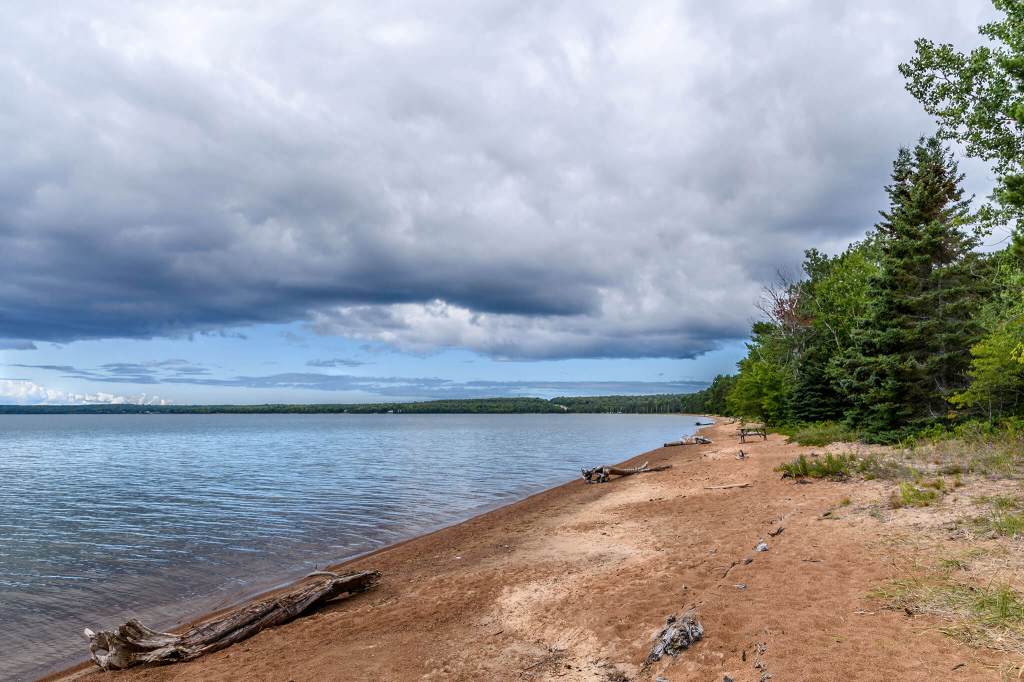
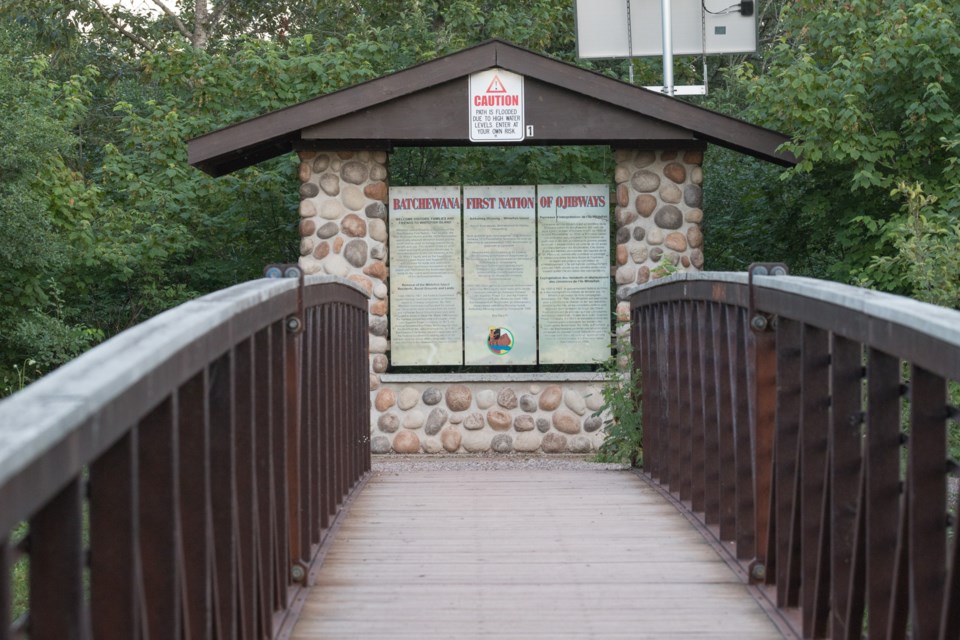



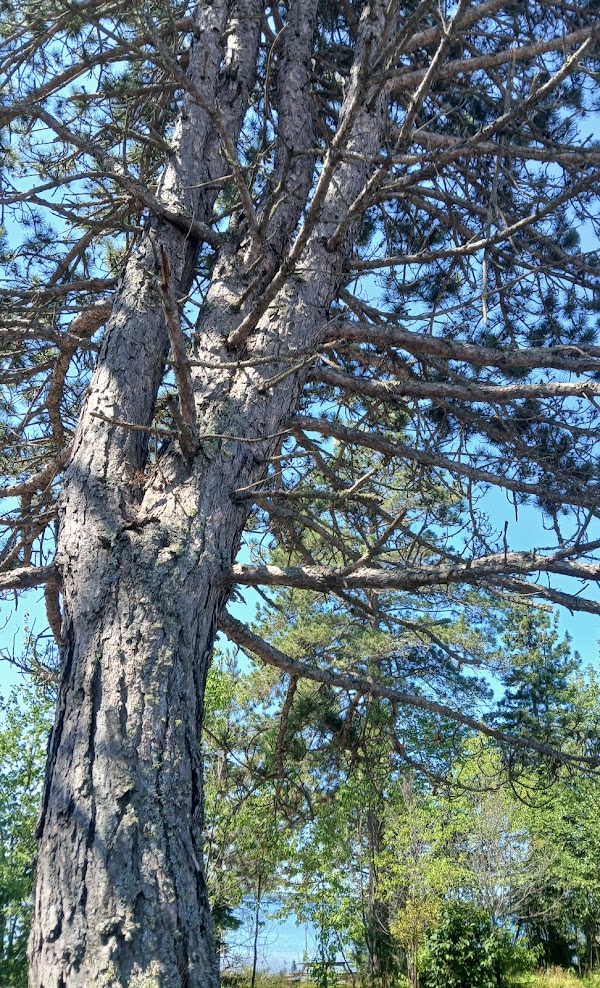

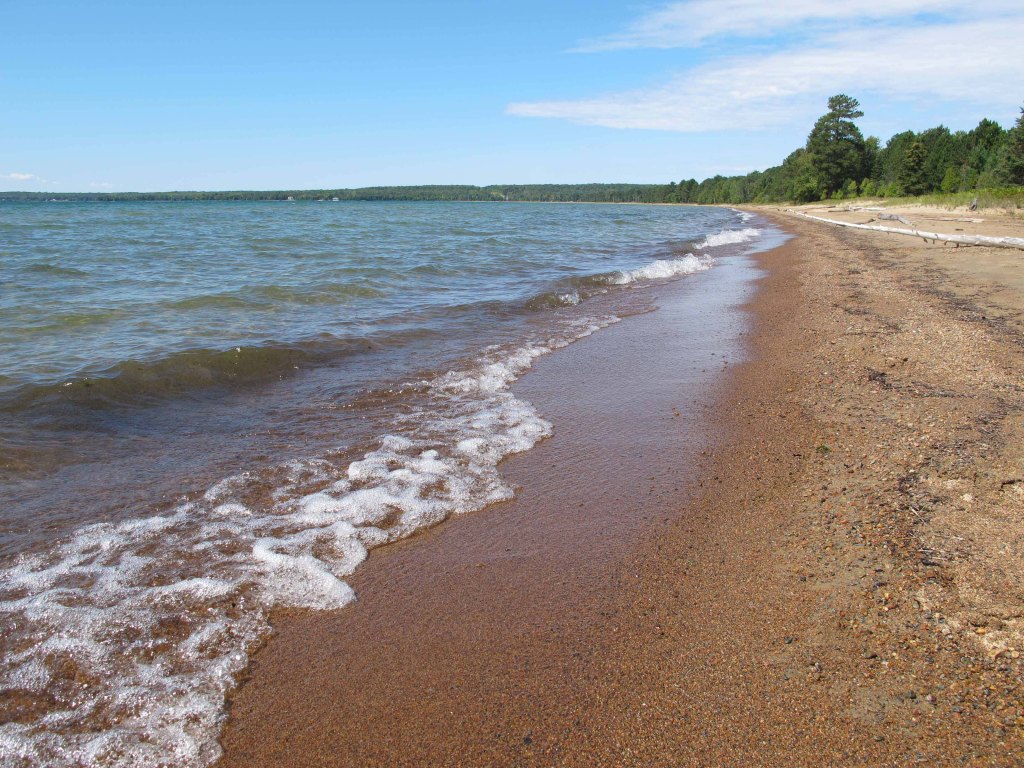

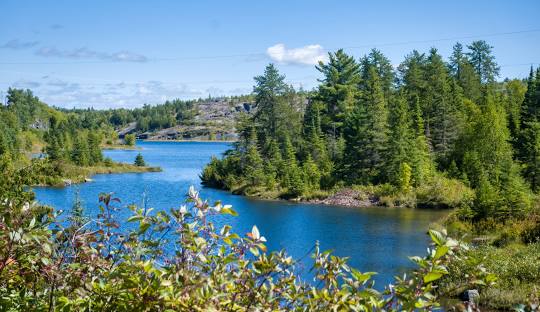
Hiwatha – Crystal falls, Chipewwa Falls, Pointe
Hiwatha – Crystal falls, Chipewwa Falls, Pointe des Chenes


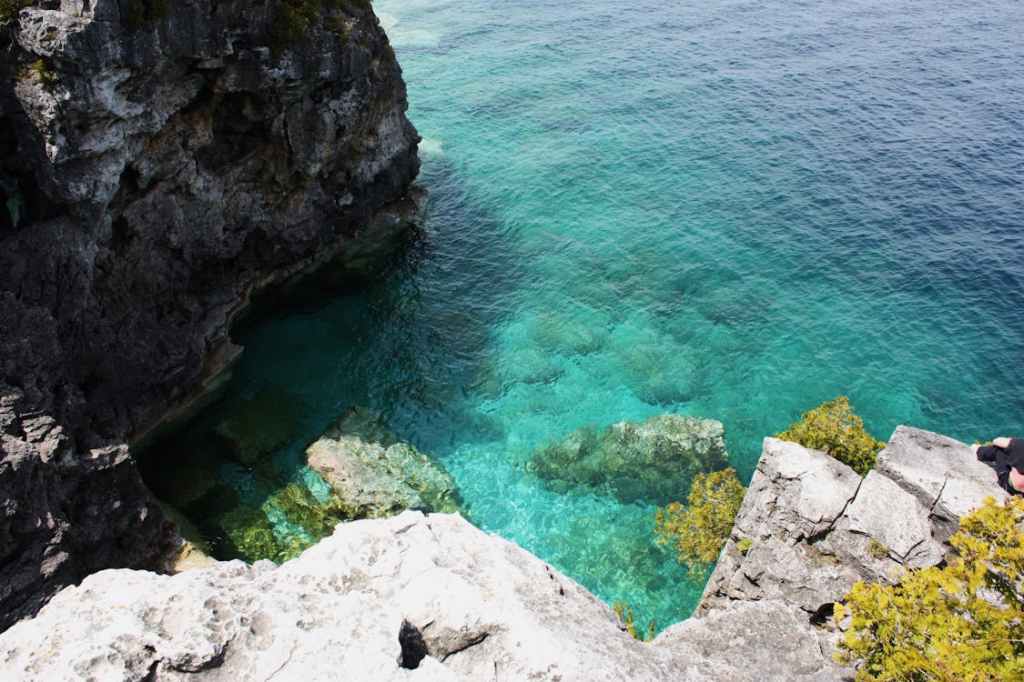
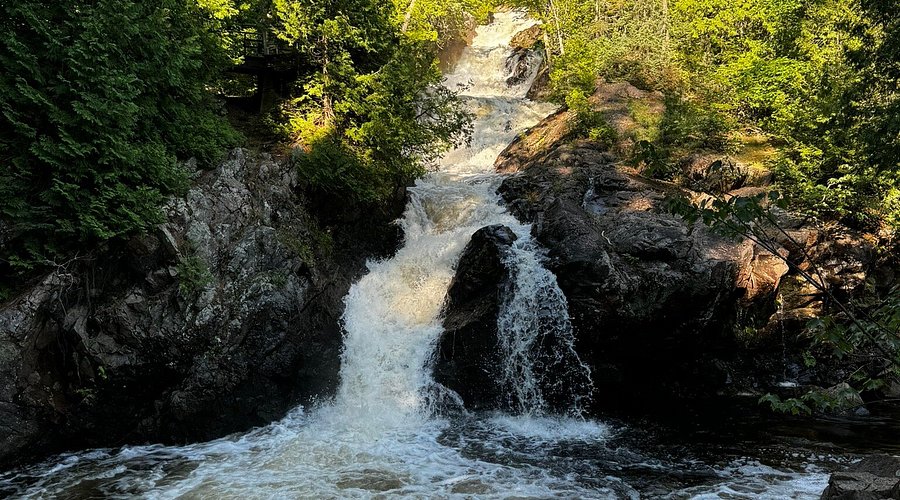
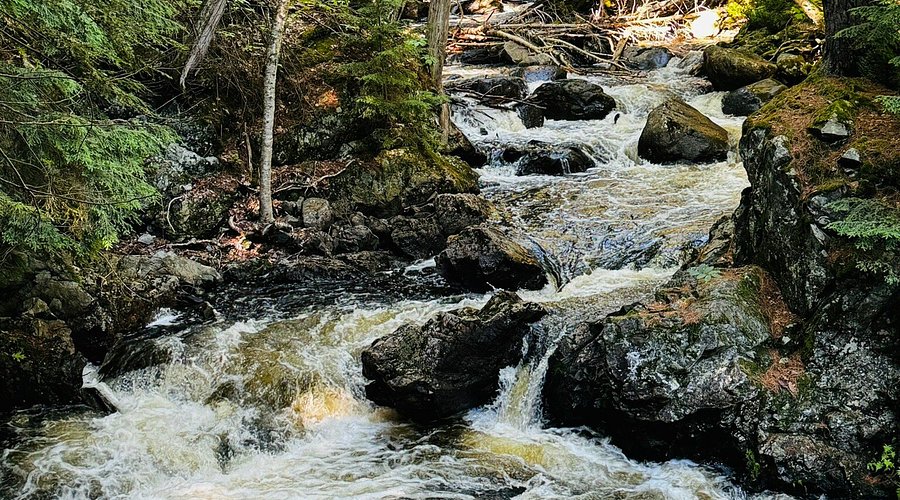


https://ko-fi.com/i/IV7V01JW8QR
BRUCE MINES – SAULT LOCKS – CANDIED SALMON

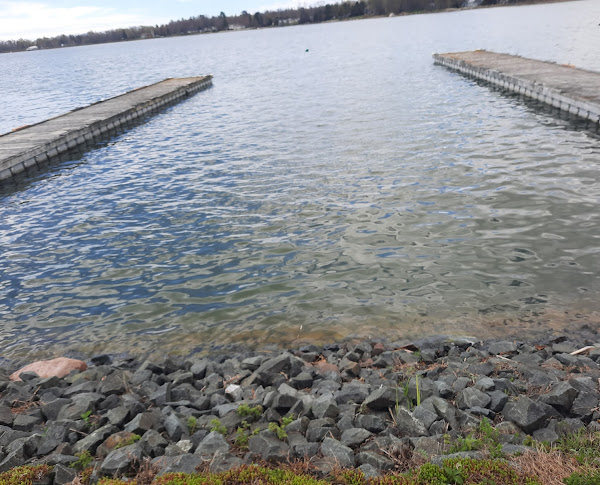

https://ko-fi.com/i/IY8Y81JW8L3
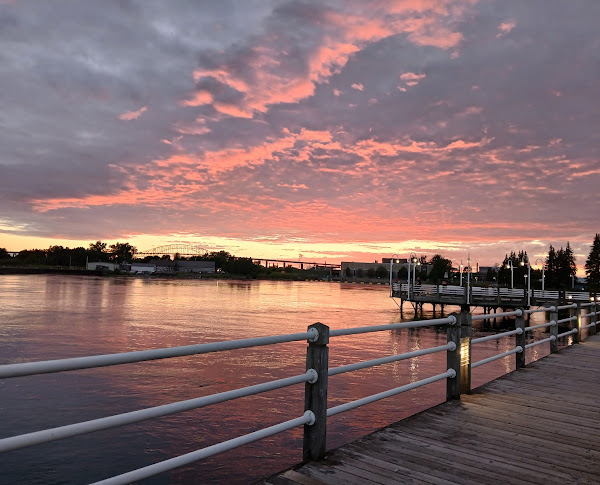
BOARDWALK – SAULT STE MARIE

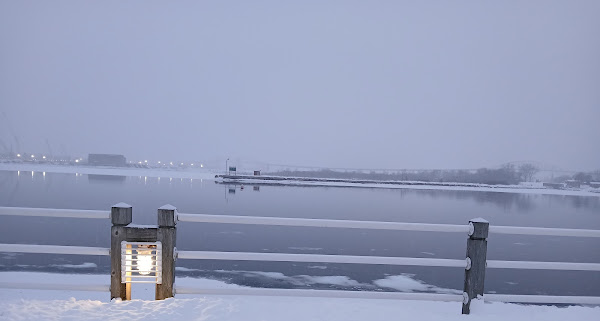


https://ko-fi.com/i/IJ3J11JW8F9
GROUP OF SEVEN – CANADIAN ART
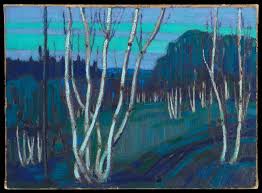

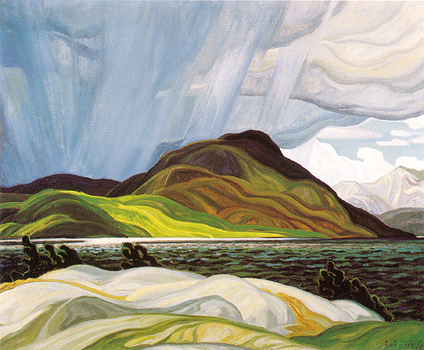
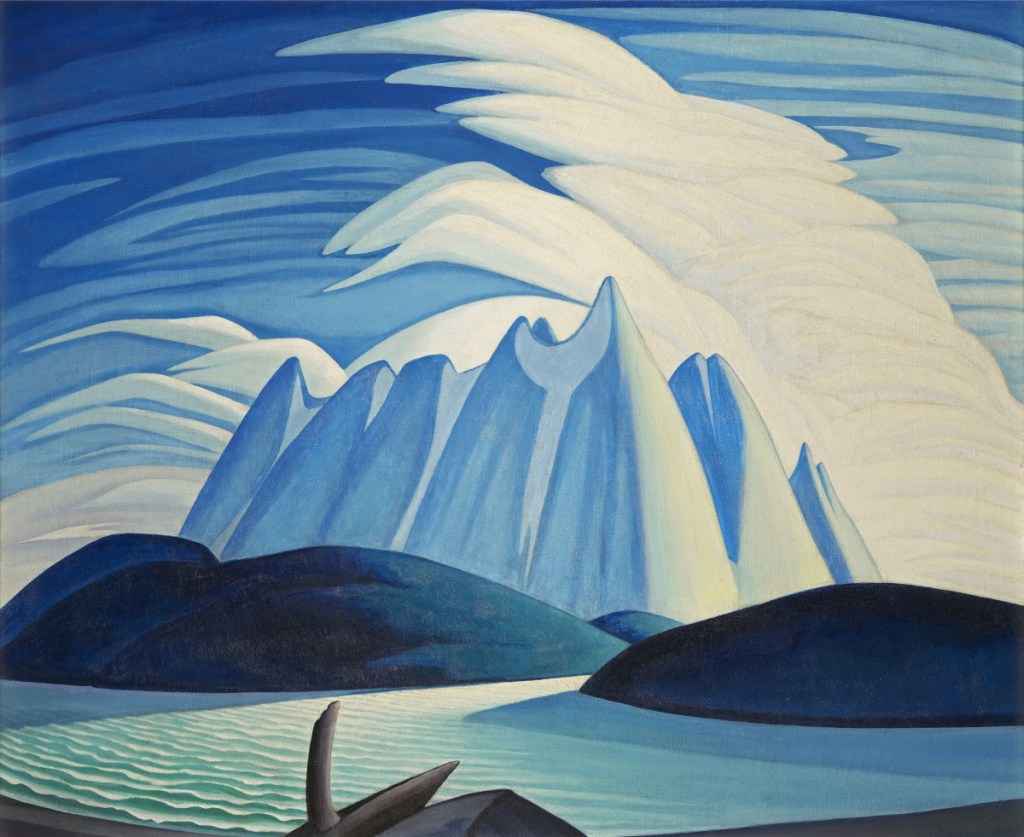
The Group of Seven was a group of Canadian Artists between the years 1920-1933. The group had more than seven artists over its formation, but the founding members included Franklin Carmichael (1890-1945) who was born in Orillia, A.Y. Jackson (1882-1974), Frederick Varley (1881-1969), Lawren Harris (1885-1970), J.E.H. MacDonald (1873-1932), Frank Johnston (1888-1949) and Arthur Lismer (1885-1969). Other artists associated with the Group of Seven included Tom Thomson (1877-1917), A.J. Casson (1898-1992), Edwin Holgate (1892-1977) LeMoine FitzGerald (1890-1956) and Emily Carr (1871-1945). Each artist within this group had their own style, but the common thread was that they were artists rooted in traditional Academic art but inspired by European Post-Impressionism and even contemporary Scandanavian landscape painting. The group was known for painting the Canadian landscape almost always void of its inhabitants. The Group of Seven helped to solidify Canada’s contribution to the artworld in the twentieth century, and their influence is still seen in many landscape artists today.

 bismillahschool.net