2. Have the people supposed that they will be left alone to say, “We believe,” without being put to the test?
3. We have tested those before them. God will surely know the truthful, and He will surely know the liars.
4. Or do those who commit sins think they can fool Us? Terrible is their opinion!
5. Whoever looks forward to the meeting with God—the appointed time of God is coming. He is the All-Hearing, the All-Knowing.
6. Whoever strives, strives only for himself. God is Independent of the beings.
7. Those who believe and do righteous deeds—We will remit their sins, and We will reward them according to the best of what they used to do.
8. We have advised the human being to be good to his parents. But if they urge you to associate with Me something you have no knowledge of, do not obey them. To Me is your return; and I will inform you of what you used to do.
9. Those who believe and do good works—We will admit them into the company of the righteous.
10. Among the people is he who says, “We have believed in God.” Yet when he is harmed on God’s account, he equates the people’s persecution with God’s retribution. And if help comes from your Lord, he says, “We were actually with you.” Is not God aware of what is inside the hearts of the people?
11. God certainly knows those who believe, and He certainly knows the hypocrites.
12. Those who disbelieve say to those who believe, “Follow our way, and we will carry your sins.” In no way can they carry any of their sins. They are liars.
13. They will carry their own loads, and other loads with their own. And they will be questioned on the Day of Resurrection concerning what they used to fabricate.
Notes: everyone will be Tested;
WHOMEVER DOES NOT REMEMBER ALLAH AZZA WA JAL WILL HAVE A DEPRESSED LIFE – SURAH TAHA 124-127:
122. But then his Lord recalled him, and pardoned him, and guided him.
123. He said, “Go down from it, altogether; some of you enemies of some others. But whenever guidance comes to you from Me, whoever follows My guidance, will not go astray, nor suffer.
124. But whoever turns away from My Reminder, for him is a confined life. And We will raise him on the Day of Resurrection blind.”
125. He will say, “My Lord, why did You raise me blind, though I was seeing?”
126. He will say, “Just as Our revelations came to you, and you forgot them, today you will be forgotten.”
127. Thus We recompense him who transgresses and does not believe in the revelations of his Lord. The punishment of the Hereafter is more severe, and more lasting.
The Day (The Ressurection) when neither wealth will be of any use (to any one) nor sons, [ 88] except to one who will come to Allah with a sound heart, [ Surah As Shuarah – the Poets 26:89]
This verse has declared that wealth and children will not be of any help to a person on the Day of Judgment. This declaration is subjected to exception in the words, “except to one who will come to Allah with sound heart”
Of the most significant effects of persistent sinning that remains unchecked, is that it hardens the heart. As The Prophet ﷺ said, “Verily, when the servant commits a sin a black spot appears upon his heart. If he abandons the sin, seeks forgiveness, and repents, then his heart will be polished. If he returns to the sin, the blackness will be increased until it overcomes his heart. It is the covering that Allah has mentioned: ‘No, but on their hearts is a covering because of what they have earned’.” [Tirmidhi]
Al-Nu’man ibn Bashir reported: The Messenger of Allah, peace and blessings be upon him, said:
Verily, in the body is a piece of flesh which, if sound, the entire body is sound, and if corrupt, the entire body is corrupt. Truly, it is the heart. Source: Ṣaḥīḥ al-Bukhārī 52, Grade: Muttafaqun Alayhi
We said, “O Messenger of Allah, we know truthful in speech. What is a heart swept clean?” The Prophet said:
هُوَ التَّقِيُّ النَّقِيُّ لا إِثْمَ فِيهِ وَلا بَغْيَ وَلا حَسَدَ
One that is Godfearing and pure, in which there is neither sin, nor transgression, nor envy. We said, “Who shows a sign of it?” The Prophet said: الَّذِي يَشْنَأُ الدُّنْيَا وَيُحِبُّ الآخِرَةَ One who despises worldliness and loves the Hereafter. We said, “And who shows a sign of it?” The Prophet said: A believer with good character.Source: Shu’ab al-Imān 4462, Grade: Sahih
مُؤْمِنٌ فِي خُلُقٍ حَسَنٍ
Anas ibn Malik reported: The Messenger of Allah, peace and blessings be upon him, said to me:
Young man, if you are able every morning and evening to remove any rancor from your heart towards anyone, do so.
Abu Huraira reported: A man came to the Messenger of Allah, peace and blessings be upon him, and he complained about the hardness of his heart. The Prophet said:
Abu Dharr reported: The Messenger of Allah, peace and blessings be upon him, said:
Wealth is in the heart and poverty is in the heart. Whoever is wealthy in his heart will not be harmed no matter what happens in the world. Whoever is impoverished in his heart will not be satisfied no matter how much he has in the world. Verily, he will only be harmed by the greed of his own soul.
We will quote here some of the effects of sin, as described by Ibn Al-Qayyim (may Allah have mercy on him):
Being deprived of knowledge for knowledge is light that Allah causes to reach the heart, and sin extinguishes that light. When Ash-Shafi`i sat before Malik and read to him, he admired him because of the intelligence, alertness and understanding that he saw in him. He said, “I think that Allah has caused light to enter your heart, so do not extinguish it with the darkness of sin.”
Being deprived of provision. In Musnad Ahmad it is narrated that Thawban (may Allah be pleased with him) said: “The Messenger of Allah (peace and blessings of Allah be upon him) said: ‘A man is deprived of provision because of the sins that he commits.’” (Narrated by Ibn Majah, 4022, classed as sound by Al-Albani in Sahih Ibn Majah)
Sense of alienation that comes between a person and his Lord, and between him and other people. One of the Salaf (righteous predecessors) said: “If I disobey Allah, I see that in the attitude of my riding beast and my wife.”
Things become difficult for him, so that he does not turn his attention towards any matter but he finds the way blocked or he finds it difficult. By the same token, for the one who fears Allah, things are made easy for him.
The sinner will find darkness in his heart, which he will feel just as he feels the darkness of night. So this darkness affects his heart as the physical darkness affects his vision. For obedience is light and disobedience is darkness. The stronger the darkness grows, the greater becomes his confusion, until he falls into innovation, misguidance and other things that lead to doom, without even realizing, like a blind man who goes out in the darkness of the night, walking alone
This darkness grows stronger until it covers the eyes, then it grows stronger until it covers the face, which appears dark and is seen by everyone. `Abdullah ibn `Abbas said: “Good deeds make the face light, give light to the heart, and bring about ample provision, physical strength and love in people’s hearts. Bad deeds make the face dark, give darkness to the heart, and bring about physical weakness, a lack of provision and hatred in people’s hearts.”
Deprivation of worship and obedience. If sin brought no punishment other than that it prevents a person from doing an act of worship which is the opposite of sin, and cuts off access to other acts of worship, that would be bad enough. So the sin cuts off a third way and a fourth way and so on, and because of the sin he is cut off from many acts of worship, each of which would have been better for him than this world and everything in it. So he is like a man who eats food that is bound to cause a lengthy sickness, and thus he is deprived of many other foods that are better than that. And Allah is the One Whose help we seek.
Sin breeds sin until it dominates a person and he cannot escape from it.
Sin weakens a person’s willpower. It gradually strengthens his will to commit sin and weakens his will to repent until there is no will in his heart to repent at all… so he seeks forgiveness and expresses repentance, but it is merely words on the lips, like the repentance of the liars, whose hearts are still determined to commit sin and persist in it. This is one of the most serious diseases that are most likely to lead to doom.
He will become desensitized and will no longer find sin abhorrent, so it will become his habit, and he will not be bothered if people see him committing the sin or talk about him.
For the leaders of immorality, this is the ultimate shamelessness in which they find great pleasure, such that they feel proud of their sin and will speak of it to people who do not know that they have done it, saying, “O so and so, I did such and such.” Such people cannot be helped and the path to repentance is blocked for them in most cases. The Prophet (peace and blessings of Allah be upon him) said: “All of my ummah (followers) will be fine except for those who commit sin openly, and that includes cases where Allah conceals a person’s sin, but the following morning he exposes himself and says, ‘O So and so, I did such and such last night, so he shamelessly exposes himself when all night his Lord had concealed his sin.” (Narrated by Al-Bukhari, 5949 and Muslim, 2744).
When there are many sins they leave a mark on the heart of the person who commits them, so he becomes one of the negligent. As one of the Salaf said, concerning the verse–
{Nay! But on their hearts is the Ran (covering of sins and evil deeds) which they used to earn.} [Al-Mutaffifin 83:14 – interpretation of the meaning] – this means sin after sin.
How this starts is that the heart gets stained by sin, and if the sin increases then the stain grows bigger until it becomes the Ran (covering of sin and evil deeds), then it increases until it becomes a seal, and the heart becomes covered and sealed. If that happens after a person had been guided and had understood, then his heart is turned upside down, and at that point the devil gains control over him and directs him as he wants.
“Have you seen he who has taken as his god his [own] desire, and Allah has sent him astray due to knowledge and has set a seal upon his hearing and his heart and put over his vision a veil? So who will guide him after Allah ? Then will you not be reminded?” (45:23)
Young man, that is my Sunnah. Whoever revives my Sunnah has loved me, and whoever loves me will be with me in Paradise. Source: Sunan al-Tirmidhī 2678, Grade: Hasan
REPENTANCE: The Prophet ﷺ said, that Allah said in a Hadith Qudsi, “O son of Adam, so long as you call upon Me and ask of Me, I shall forgive you for what you have done, and I shall not mind. O son of Adam, were your sins to reach the clouds of the sky and were you then to ask forgiveness of Me, I would forgive you. O son of Adam, were you to come to Me with sins nearly as great as the earth and were you then to face Me, ascribing no partner to Me, I would bring you forgiveness nearly as great as it.”
Sahih International: And it has already come down to you in the Book that when you hear the verses of Allah [recited], they are denied [by them] and ridiculed; so do not sit with them until they enter into another conversation. Indeed, you would then be like them. Indeed Allah will gather the hypocrites and disbelievers in Hell all together – Surah Nisa(The Women) – 4:10;
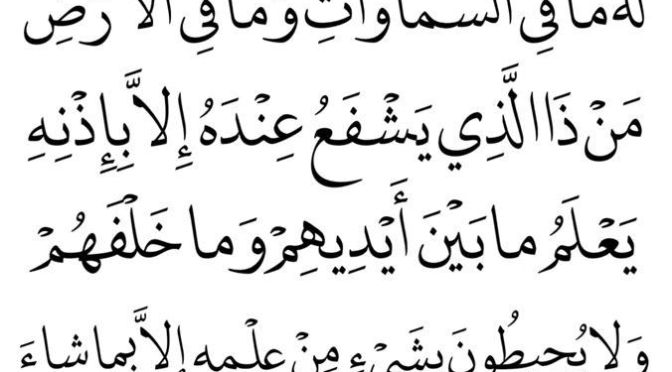
Ayatul Kursi, also known as “The Throne Verse,” is the 255th verse of Surah Al-Baqarah (the second chapter) in the Quran. It is a powerful verse that emphasizes the Oneness and attributes of Allah. The verse describes Allah as the Ever-Living, Self-Sustaining, and asserts that nothing in the heavens or earth can be compared to Him.
Here’s the English translation of Ayatul Kursi:
“Allah! There is no god ˹worthy of worship˺ except Him, the Ever-Living, All-Sustaining. Neither drowsiness nor sleep overtakes Him. To Him belongs whatever is in the heavens and whatever is on the earth. Who could possibly intercede with Him without His permission? He ˹fully˺ knows what is ahead of them and what is behind them, but no one can grasp any of His knowledge—except what He wills ˹to reveal˺. His Seat encompasses the heavens and the earth, and the preservation of both does not tire Him. For He is the Most High, the Greatest,” – surah Baqarah Verse 2:255
Let there be no compulsion in religion, for the truth stands out clearly from falsehood.1 So whoever renounces false gods and believes in Allah has certainly grasped the firmest, unfailing hand-hold. And Allah is All-Hearing, All-Knowing. – Verse 2:256
Allah is the Guardian of the believers—He brings them out of darkness and into light. As for the disbelievers, their guardians are false gods who lead them out of light and into darkness. It is they who will be the residents of the Fire. They will be there forever. Verse 2:257
To prove this point, we have a narration wherein Allāh’s Messenger (salallāhu ‘alaihi wasallam) said, “When Allāh completed the creation, He wrote in His Book that is with Him above the Throne (فوق العرش): ‘My mercy has prevailed over My anger’.” (Muslim no. 2751, Bukhārī no. 7404)
So the Sunni believes with certainty that Allāh (the Most High) is over His Throne. Furthermore, the Throne is above water, which is above the Footstool, which is above the seven heavens, which are above this earth. Ibn Mas’ūd (Allah be pleased with him) narrated from Allāh’s Messenger (salallāhu ‘alaihi wasallam):
“The distance between the sky of this world and the next heaven is five hundred years, and between every heaven and the next is five hundred years. And between the seventh heaven and the Footstool (Kursī) is a distance of five hundred years, and between the Kursī and water, there is a distance of five hundred years. And the Throne (‘Arsh) is above the water, and Allāh is above the Throne— nothing is hidden to Him of your deeds.” This hadīth is reported by Ibn Mahdī (d. 198H) from Hammād Ibn Salamah (d. 167H) from ‘Āsim (d. 127H) from Zirr (d. 127H) from ‘Abdullāh, and narration is ascribed to the Prophet (salallāhu ‘alaihi wasallam).
#Ayatul Kursi #Verse of the #Footstool #Quran Kareem #Allah #God #Islam
It has been reported by Imām Muslim in his Saheeh from some of the wives of the Prophet (salallāhu ‘alaihi wasallam) that he said: “Whoever comes to a fortune-teller and asks him regarding an affair, his prayer will not be accepted for forty days.”[mfn] Muslim, 2230.[/mfn]
Abu Hurairah (radiAllahu ‘anhu) also narrated that the Prophet (salallāhu ‘alaihi wasallam) said: “Whoever comes to a fortune-teller and believes in that which he says then he has disbelieved in that which was revealed to Muhammad (salallāhu ‘alaihi wasallam).” [mfn]Reported by Abu Dāwud (3904) and authenticated by Sheikh al-Albāni in Saheeh ibn Mājah (522).[/mfn]
It is also reported from ‘Imrān bin Hussayn marfoo’an, i.e., it is considered as a saying of the Prophet (salallāhu ‘alaihi wasallam), where he said: “He is not from us who seeks omens or has omens interpreted for him, or the one who practices fortune-telling or has his fortune told, or the one who practices magic or the one for whom magic is done. And whoever approaches a fortune-teller and believes in that which he has said, then he has disbelieved in that which was revealed upon Muhammad (salallāhu ‘alaihi wasallam).”[mfn]Reported by al-Bazzār with a good chain of narration, cited by al-Haythami in Majma’ az-Zawā’id (5/201). Graded saheeh by Al-Albani in Saheeh At-Targheeb (3041)[/mfn].
Imām at-Tabarāni also reported the above from the Hadeeth of ibn Abbās, in al-Awsat with a good chain of narration but without the saying, “Whoever goes to a fortune-teller…”
Imām al-Baghawi said in Sharh as-Sunnah (12/182), “The ‘Arrāf is the one who claims knowledge of the affairs by using preceding or impending signs and using them to point out the locations of stolen items. It is said that this person is a kāhin (soothsayer/fortune teller), and he is the one who informs regarding the hidden affairs that will occur in the future. It is also said that the kāhin is the one who informs regarding that which is in the hearts.”
Abul ‘Abbās ibn Taymiyyah said in Majmoo’ al Fatāwa (35/173), “The ‘Arrāf is another term used for the kāhin (soothsayer/fortune teller), and for the munajjim (astrologer), the rammāl (diviner) and others like them who claim knowledge of the unseen using these means.”
Ibn ‘Abbās said regarding those who write down the Abā Jād and those who look into the stars: “I do not believe that those who do this will have any share of reward with Allah.”[mfn]Reported by ‘Abdur Razzāq in his Musannaf (26/11, no. 19,805) and ibn Abi Shaybah in his Musannaf (5/240, no. 25,648).[/mfn]
The Oneness of Allah; Allah the Almighty said: “And I (Allah) created not the Jinns and men except they should worship Me (Alone).” (51:56)
And He stated: “And verily, We have sent among every Ummah (community, nation) a Messenger (proclaiming): ‘Worship Allah (Alone), and avoid (or keep away from) Taghut (all false deities etc. i.e. do not worship Taghut besides Allah).’ ” (16:36) And He said: “And your Lord has decreed that you worship none but Him. And that you be dutiful to your parents. If one of them or both of them attain old age in your life, say not to them a word of disrespect, nor shout at them but address them in terms of honour. And lower unto them the wing of submission and humility through mercy, and say: ‘My Lord! Bestow on them Your Mercy as they did bring me up when I was small.’
” Allah (swt ), says: ” And those who live in awe for fear of their Rabb(Lord) ; And those who believe in the Signs of their Rabb, And those who join not anyone [in worship] as partners with their Rabb; And those who give that which they give [i.e. charity] with their hearts full of fear [whether their charity has been accepted or not], because they are sure to return to their Rabb” (Qur’an 23:57-60)
Mu’adh bin Jabal (May Allah be pleased with him) reported: I was riding a pillion with the Prophet ﷺ on a donkey. He ﷺ said, “O Mu’adh, do you know what is the right of Allah upon His slaves, and what is the Right of His slaves upon Allah?” I said: “Allah and His Messenger know better”. Upon this the Messenger of Allah ﷺ said, “Allah’s Right upon His slaves is that they should worship Him Alone and associate nothing with Him; and His slaves’ right upon Him is that He should not punish who does not associate a thing with Him”. He (Mu’adh) added: I said to the Messenger of Allah: “Shall I give the glad tidings to people?” He ﷺ said, “Do not tell them this good news for they will depend on it alone”. Al-Bukhari and Muslim. وعن معاذ بن جبل ، رضي الله عنه ، قال: كنت ردف النبي ﷺ ، على حمار فقال: ” يا معاذ هل تدري ما حق الله على عباده، وما حق العباد على الله. ؟ قلت: الله ورسوله أعلم. قال:”فإن حق الله على العباد أن يعبدوه، ولا يشركوا به شيئاً، وحق العباد على الله أن لا يعذب من لا يشرك به شيئاً، فقلت، يا رسول الله أفلا أبشر الناس؟ قال لا تبشرهم فيتكلوا” ((متفق عليه)) #KitabTawheed #monotheism #islam #Bismillah School
Surah Baqarah 20 Ayaah Translation – Believers, Disbelievers, Hypocrites, Hard Heart (Covering of the Sins)
1. Alif-Lam-Mim. [These letters are one of the miracles of the Qur’an and none but Allah (Alone) knows their meanings].
2. This is the Book (the Qur’an), whereof there is no doubt, a guidance to those who are Al-Muttaqun [the pious and righteous persons who fear Allah much (abstain from all kinds of sins and evil deeds which He has forbidden) and love Allah much (perform all kinds of good deeds which He has ordained)].
3. Who believe in the Ghaib (UnSeen) and perform As-Salat (Iqamat-as-Salat),and spend out of what we have provided for them [i.e. give Zakat, spend on themselves, their parents, their children, their wives, etc., and also give charity to the poor and also in Allah’s Cause).
4. And who believe in (the Qur’an and the Sunnah)which has been sent down (revealed) to you (Muhammad Peace be upon him ) and in [the Taurat (Torah) and the Injeel (Gospel), etc.] which were sent down before you and they believe with certainty in the Hereafter. (Resurrection, recompense of their good and bad deeds, Paradise and Hell, etc.)
5. They are on (true) guidance from their Lord, and they are the successful.
6. Verily, those who disbelieve, it is the same to them whether you (O Muhammad Peace be upon him ) warn them or do not warn them, they will not believe.
7. Allah has set a seal on their hearts and on their hearings, (i.e. they are closed from accepting Allah’s Guidance), and on their eyes there is a covering. Theirs will be a great torment.
8. And of mankind, there are some (hypocrites) who say: “We believe in Allah and the Last Day” while in fact they believe not.
9. They (think to) deceive Allah and those who believe, while they only deceive themselves, and perceive (it) not!
10. In their hearts is a disease (of doubt and hypocrisy) and Allah has increased their disease. A painful torment is theirs because they used to tell lies.
11. And when it is said to them: “Make not mischief on the earth,” they say: “We are only peacemakers.”
12. Verily! They are the ones who make mischief, but they perceive not.
13. And when it is said to them (hypocrites): “Believe as the people (followers of Muhammad Peace be upon him , Al-Ansar and Al-Muhajirun) have believed,” they say: “Shall we believe as the fools have believed?” Verily, they are the fools, but they know not.
14. And when they meet those who believe, they say: “We believe,” but when they are alone with their Shayatin (devils – polytheists, hypocrites, etc.), they say: “Truly, we are with you; verily, we were but mocking.”
15. Allah mocks at them and gives them increase in their wrong-doings to wander blindly.
16. These are they who have purchased error for guidance, so their commerce was profitless. And they were not guided.
17. Their likeness is as the likeness of one who kindled a fire; then, when it lighted all around him, Allah took away their light and left them in darkness. (So) they could not see.
18. They are deaf, dumb, and blind, so they return not (to the Right Path).
19. Or like a rainstorm from the sky, wherein is darkness, thunder, and lightning. They thrust their fingers in their ears to keep out the stunning thunderclap for fear of death. But Allah ever encompasses the disbelievers (i.e. Allah will gather them all together).
20. The lightning almost snatches away their sight, whenever it flashes for them, they walk therein, and when darkness covers them, they stand still. And if Allah willed, He could have taken away their hearing and their sight. Certainly, Allah has power over all things.
21. O mankind! Worship your Lord (Allah), Who created you and those who were before you so that you may become Al-Muttaqun (the Pious – see V.2:2).
#Tawheed, #KitabatTawheed, #Bismillah School #Oath #Allah’s Name
Abu Huraira reported: The Messenger of Allah, peace and blessings be upon him, said, “Do not swear an oath by your father, nor your mothers, nor by rivals to Allah. Do not swear an oath unless it is by Allah and you are honest.” Source: Sunan Abī Dāwūd 3248
In the name of Allah, Most Merciful, the Bestower of Mercy. “The One Who is not Satisfied with an Oath being Taken in Allah’s Name.” (al-Half حلف) – i.e., to swear by Allah. The Text of the Chapter: Shaikhul-Islam Muhammad Ibn Abdul-Wahhāb said: ‘Abdullah ibn ‘Umar (radiyallahu ‘anhumā) said that the Prophet (salallāhu ‘alaihi wasallam) said: لاَ تَحْلِفُوا بِآبَائِكُمْ مَنْ حَلَفَ بِاللَّهِ فَلْيَصْدُقْ وَمَنْ حُلِفَ لَهُ بِاللَّهِ فَلْيَرْضَ وَمَنْ لَمْ يَرْضَ بِاللَّهِ فَلَيْسَ مِنَ اللَّهِ “Do not swear by your fathers, and whoever swears by Allah, then let him speak truthfully, and whoever is given an oath by Allah’s Name, then let him be pleased with it, and whoever is not pleased with it – and whoever is not content with Allah has nothing to do with Allah.” (Ibn Mājah, 2101, graded saheeh by Al-Albāni in Saheeh al-Jāmi’, 7247)
Tawheed means worshipping Allah Alone/ God AllMightyAlone and setting No one as a Partner with Him;
Tawheed in the Bible : Exodus 20 –
The Ten Commandments
20 And God spoke all these words:
2 “I am the Lord your God, who brought you out of Egypt, out of the land of slavery.
4 “You shall not make for yourself an image in the form of anything in heaven above or on the earth beneath or in the waters below. 5 You shall not bow down to them or worship them; for I, the Lord your God, am a jealous God, punishing the children for the sin of the parents to the third and fourth generation of those who hate me, 6 but showing love to a thousand generations of those who love me and keep my commandments.
Which means: « Allāh existed [eternally] and nothing else existed with Him. He created the ^Arsh (Throne) [and placed it] above the water. Then He [ordered the Pen to] write in the (Guarded) Tablet everything that would happen. Then Allāh created the heavens and Earth. » [Related by al-Bukhariyy] The Prophet answered this question by first stating that Allāh’s Existence does not have a beginning, i.e., He is Eternal. There is no one attributed with eternity other than Him. In other words, nothing existed eternally except Allāh, and Allāh created everything, i.e., He brought all the creation from non-existence into existence. Allâh, ta`âlâ, did not create all the creations at one time. Had He willed for this, it would have occurred. Rather, in six days, He created the heavens and Earth ; and for Earth Allāh created rivers, mountains, and valleys. The wisdom of this is to teach us not to be hasty in doing things. The first creation is water. The Prophet, sallallahu `alayhi wa sallam, said: إِنَّ اللهَ تَعَالَى خَلَقَ كُلَّ شَيْءٍ مِنَ الْمَاءِ Innallâha ta^âlâ khalaqa kulla shay’in mina l-mâ’ Which means: « Allāh created everything from water. » [Related by Ibn Hibban];
When Prophet Muhammad, sallallahu ^alayhi wa sallam, was asked how this universe started to exist, he said:
“Allah existed [eternally] and nothing else existed with Him. He created the ^Arsh (Throne) [and was positioned] above the water. Then He ordered the Pen to write in the (Guarded) Tablet everything that would happen. Then Allah created the heavens and Earth.” (Related by al-Bukhariyy.)
Quranic Evidence: Allah’s Throne on Water before Creation
Allah, may He be Exalted, says (interpretation of the meaning): {And He it is Who has created the heavens and the earth in six Days and His Throne was on the water, that He might try you, which of you is the best in deeds.} [Hud 11:7]
This is a statement by Allah, may He be Glorified and Exalted, that His Throne was above the water before He created the heavens and earth and what is in them. Qatadah said: Your Lord, may He be Blessed and Exalted, is telling you how His creation began before He created the heavens and the earth. (End quote from Tafsir At-Tabari, 15/246)
Hadith Narrations on the Position of The Throne of Allah
Al-Bukhari (2953) narrated from `Imran ibn Husayn (may Allah be pleased with him) that some of the people of Yemen asked the Prophet (blessings and peace of Allah be upon him) this and said: We have come to you to ask you about this matter. He said: “There was Allah, and there was nothing else besides Him, and His Throne was over the water. He wrote all things in the Book (in heaven) and He created the heavens and the earth.”
Then Pen wrote the Qadr/ Destiny in Lawhul Mahfuth (Book of Destinies in the Heavens)
Abdullah b. ‘Amr b. al-‘As reported: I heard Allah’s Messenger (ﷺ) as saying: Allah ordained the measures (of quality) of the creation fifty thousand years before He created the heavens and the earth, as His Throne was upon water.
The first thing Allah Almighty created was a pen, and instructed the pen to write. The pen asked Him, what should it write, and Allah said, write everything that was and would be. This took place 50,000 years before the creation of the world as the Prophet (peace be upon him) mentioned.
[Source: Reported by Ahmad 23197. Abu Daawood, 4700. At-Tirmidhee, 2155]
Both the verse and the Hadith are speaking of the beginning of creation, and say that the Throne of Allah, may He be Glorified and Exalted, was over the water before the creation of heaven and earth.
This does not mean that the Throne is not still over the water.
Al-Bukhari (6869) and Muslim (1659) narrated that Abu Hurayrah (may Allah be pleased with him) said: “The Right Hand of Allah is full and (its fullness) is not decreased by any spending; it is overflowing by night and day. Think of what He has spent since He created the heavens and the earth, but all this spending has not decreased what is in His Right Hand.” He said: “And his Throne is over the water, and in His other Hand is the power to bring about death, and He raises some people and brings others low.”
Scholarly Interpretations on the Throne and Its Significance
Al-Hafidh Ibn Hajar (may Allah have mercy on him) said:
In the report of Is-haq ibn Rahawayh it says “and the Throne is over the water.” The apparent meaning is that it was like that when the Prophet (blessings and peace of Allah be upon him) spoke these words. The apparent meaning of the Hadith which comes before it is that the Throne was over the water before the creation of the heavens and earth, and the two Hadith when taken together indicate that it is still over the water. (End quote from Fat-h Al-Bari, 20/496)
What It Means for The Throne of Allah to Be Over Water
The meaning of the word Kana (was) in the verse refers to what happened in the past, before the creation of the heavens and the earth. From his saying in the other Hadith, “His Throne is over the water,” it may be understood that it is still like that.
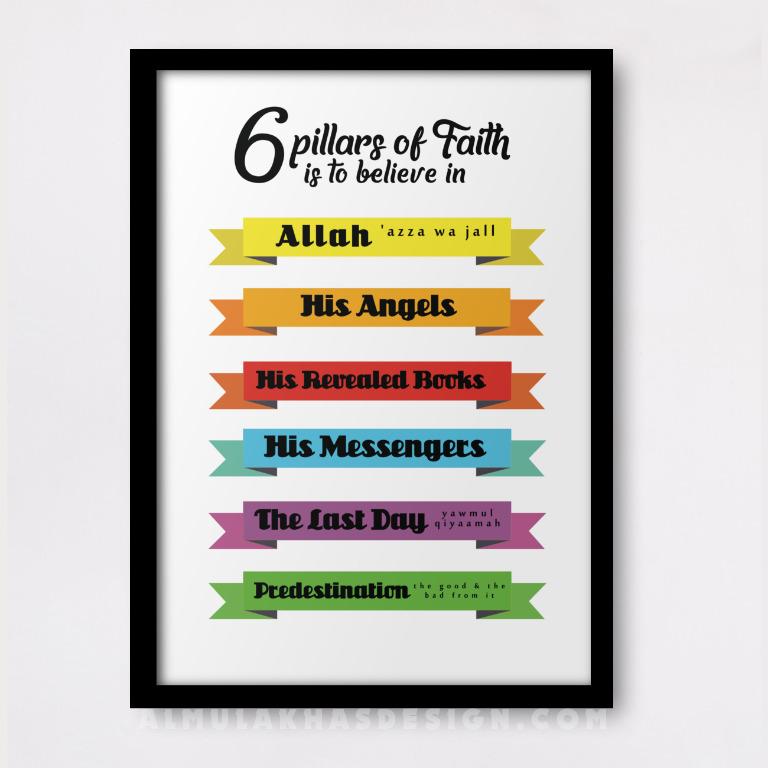
‘Ubādah ibn As-Sāmit (may Allah be pleased with him) said to his son: “O Son, you will not taste true faith until you know that whatever has come to you would never have missed you, and that whatever has missed you would never have come to you. I heard the Messenger of Allah (may Allah’s peace and blessings be upon him) say: ‘The first thing Allah created was the Pen. He commanded it to write. It said: ‘My Lord, what shall I write?’ He said: ‘Write down what has been ordained for all things until the establishment of the Hour.'” O Son, I heard the Messenger of Allah (may Allah’s peace and blessings be upon him) say: ‘Whoever dies believing otherwise does not belong to me.'” In a narration by Imām Ahmad: “Verily, the first thing Allah, the Almighty, created was the Pen. He said to it: ‘Write.’ So in that very hour it wrote down all what was to occur up to the Day of Judgment.” In a narration by Ibn Wahb, the Messenger of Allah (may Allah’s peace and blessings be upon him) said: “So, whoever disbelieved in fate, the good and the bad thereof, Allah will burn him with the Hellfire.” [Authentic hadith] – [Ibn Wahb in Al-Qadar – Narrated by At-Termedhy – Narrated by Abu Daoud – Narrated by Ahmad]Explanation
“As soon as Allah created the pen, he commanded it saying: write. It said: “what should I write my Lord?” Allah said: “Write the record of all things to happen till the establishment of the hour” Oh my son I have heard Allah’s Messenger (sallallahu alaihi wa sallam) saying: “He who dies believing other than this is not from me”(i.e. is not upon the prophet (sallallahu alaihi wa sallam) belief) (Abu Dawud)
(41:49) Man wearies not of praying for good,65 but when evil visits him, he despairs and gives up all hope.
65. “For good”: For prosperity, abundance of provisions, good health, well-being of children, etc. And man here does not imply every human being for it also includes the prophet and the righteous people, who are free from this weakness as is being mentioned below. But here it implies the mean and shallow person who starts imploring God humbly when touched by harm and is beside himself with joy when he receives the good things of life as most human beings are involved in this weakness, it has been called a weakness of man.
(41:50) And if We bestow Our Mercy upon him after hardship, he will surely say: “This is what I truly deserve,66 and I do not believe that the Hour (of Resurrection) will ever come to pass; and if I am returned to my Lord, there too I shall enjoy the best.” Surely We shall fully apprise the unbelievers of what they have done, and We shall certainly make them taste a severe chastisement.
Abu Huraira reported: The Messenger of Allah, peace and blessings be upon him, said, “Verily, there were three among the children of Israel whom Allah Almighty intended to test: a leper, a bald man, and a blind man. He sent an angel to them and he came to the leper, saying: What would you love most? The leper said: I want a beautiful color and beautiful skin, for people have shunned me. The angel wiped over him and it had gone away, then he was given a beautiful color and beautiful skin. The angel said: Which property would you love most? The man said: Camels. Thus, he was given a pregnant camel. The angel said: May Allah bless you in it. The angel came to the bald man, saying: What would you love most? The bald man said: Beautiful hair and to be rid of this, for people have shunned me. The angel wiped over him and it had gone away, then he was given beautiful hair. The angel said: Which property would you love most? The man said: Cows. Thus, he was given a pregnant cow. The angel said: May Allah bless you in it. The angel came to the blind man, saying: What would you love most? The blind man said: For Allah to return my sight so I can see people. The angel wiped over him, then Allah returned his sight. The angel said: Which property would you love most? The man said: Sheep. Thus, he was given a pregnant sheep. The animals had grown and given birth such that one man had a valley of camels, another had a valley of cows, and another had a valley of sheep. Then, the angel came to the former leper while disguised in the shape and appearance of a leper, saying: I am a poor man, bereft of my livelihood while on a journey, none can take care of my needs today but Allah and then you, so I ask by the One who gave you beautiful color and beautiful skin and a wealth of camels to help me reach my destination! The man said: I have many duties. The angel said to him: It is as if I recognize you, were you not a leper shunned by people, in poverty, but Allah gave this to you? The man said: I have inherited it from my forefathers. The angel said: If you are lying, then may Allah return you to what you were before! The angel came to the former bald man in a similar appearance, saying the same as he had said to the leper and the man responded the same way. The angel said: If you are lying, then may Allah return you to what you were before! The angel came to the blind man in a similar form, saying: I am a poor man and wayfarer, bereft of my livelihood while on a journey, none can take care of my needs today but Allah and then you, so I ask by the One who returned your sight and gave you sheep to help me reach my destination! The man said: I was once a blind man and Allah returned my sight, I was poor and He enriched me, so take whatever you wish for, by Allah, I will not dispute you today in whatever you take for Allah’s sake. The angel said: Keep your property, for I was only sent to test you and Allah is pleased with you but angry with your two companions.”
Source: Ṣaḥīḥ al-Bukhārī 3464, Ṣaḥīḥ Muslim 2964
Grade: Muttafaqun Alayhi (authenticity agreed upon) according to Al-Bukhari and Muslim
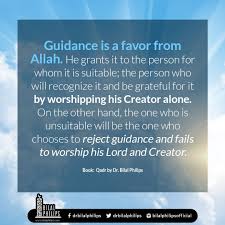
You surely cannot guide whoever you love ˹O Prophet˺, but it is Allah Who guides whoever He wills, and He knows best who are ˹fit to be˺ guided. – surah Al Qasas 28:56;
It is not ˹proper˺ for the Prophet and the believers to seek forgiveness for the polytheists, even if they were close relatives, after it has become clear to the believers that they are bound for the Hellfire. – surah Taubah 9:113;
(9)
Chapter: Evidence that the Islam of one who becomes Muslim on his deathbed is valid, so long as the death those have not begun; Abrogation of permission to supplicate for forgiveness for the idolators; Evidence that one who dies an idolator is one of the people of hell and no intervention can save him from that
It is reported by Sa’id b. Musayyib who narrated it on the authority of his father (Musayyib b. Hazm) that when Abu Talib was about to die, the Messenger of Allah (ﷺ) came to him and found with him Abu Jahl (‘Amr b. Hisham) and ‘Abdullah b. Abi Umayya ibn al-Mughirah. The Messenger of Allah (ﷺ) said: My uncle, you just make a profession that there is no god but Allah, and I will bear testimony before Allah (of your being a believer), Abu Jahl and ‘Abdullah b. Abi Umayya addressing him said: Abu Talib, would you abandon the religion of ‘Abdul-Muttalib? The Messenger of Allah (ﷺ) constantly requested him (to accept his offer), and (on the other hand) was repeated the same statement (of Abu Jahl and ‘Abdullah b. Abi Umayya) till Abu Talib gave his final decision and be stuck to the religion of ‘Abdul-Muttalib and refused to profess that there is no god but Allah. Upon this the Messenger of Allah remarked: By Allah, I will persistently beg pardon for you till I am forbidden to do so (by God), It was then that Allah, the Magnificent and the Glorious, revealed this verse: ” It is not meet for the Prophet and for those who believe that they should beg pardon for the polytheists, even though they were their kith and kin, after it had been made known to them that they were the denizens of Hell” (ix. 113) And it was said to the Messenger of Allah (ﷺ): ” Verily thou canst not guide to the right path whom thou lovest. And it is Allah Who guideth whom He will, and He knoweth best who are the guided” (xxviii, 56).
وَحَدَّثَنِي حَرْمَلَةُ بْنُ يَحْيَى التُّجِيبِيُّ، أَخْبَرَنَا عَبْدُ اللَّهِ بْنُ وَهْبٍ، قَالَ أَخْبَرَنِي يُونُسُ، عَنِ ابْنِ شِهَابٍ، قَالَ أَخْبَرَنِي سَعِيدُ بْنُ الْمُسَيَّبِ، عَنْ أَبِيهِ، قَالَ لَمَّا حَضَرَتْ أَبَا طَالِبٍ الْوَفَاةُ جَاءَهُ رَسُولُ اللَّهِ صلى الله عليه وسلم فَوَجَدَ عِنْدَهُ أَبَا جَهْلٍ وَعَبْدَ اللَّهِ بْنَ أَبِي أُمَيَّةَ بْنِ الْمُغِيرَةِ فَقَالَ رَسُولُ اللَّهِ صلى الله عليه وسلم ” يَا عَمِّ قُلْ لاَ إِلَهَ إِلاَّ اللَّهُ . كَلِمَةً أَشْهَدُ لَكَ بِهَا عِنْدَ اللَّهِ ” . فَقَالَ أَبُو جَهْلٍ وَعَبْدُ اللَّهِ بْنُ أَبِي أُمَيَّةَ يَا أَبَا طَالِبٍ أَتَرْغَبُ عَنْ مِلَّةِ عَبْدِ الْمُطَّلِبِ . فَلَمْ يَزَلْ رَسُولُ اللَّهِ صلى الله عليه وسلم يَعْرِضُهَا عَلَيْهِ وَيُعِيدُ لَهُ تِلْكَ الْمَقَالَةَ حَتَّى قَالَ أَبُو طَالِبٍ آخِرَ مَا كَلَّمَهُمْ هُوَ عَلَى مِلَّةِ عَبْدِ الْمُطَّلِبِ . وَأَبَى أَنْ يَقُولَ لاَ إِلَهَ إِلاَّ اللَّهُ . فَقَالَ رَسُولُ اللَّهِ صلى الله عليه وسلم ” أَمَا وَاللَّهِ لأَسْتَغْفِرَنَّ لَكَ مَا لَمْ أُنْهَ عَنْكَ ” . فَأَنْزَلَ اللَّهُ عَزَّ وَجَلَّ { مَا كَانَ لِلنَّبِيِّ وَالَّذِينَ آمَنُوا أَنْ يَسْتَغْفِرُوا لِلْمُشْرِكِينَ وَلَوْ كَانُوا أُولِي قُرْبَى مِنْ بَعْدِ مَا تَبَيَّنَ لَهُمْ أَنَّهُمْ أَصْحَابُ الْجَحِيمِ} . وَأَنْزَلَ اللَّهُ تَعَالَى فِي أَبِي طَالِبٍ فَقَالَ لِرَسُولِ اللَّهِ صلى الله عليه وسلم { إِنَّكَ لاَ تَهْدِي مَنْ أَحْبَبْتَ وَلَكِنَّ اللَّهَ يَهْدِي مَنْ يَشَاءُ وَهُوَ أَعْلَمُ بِالْمُهْتَدِينَ}.















 bismillahschool.net