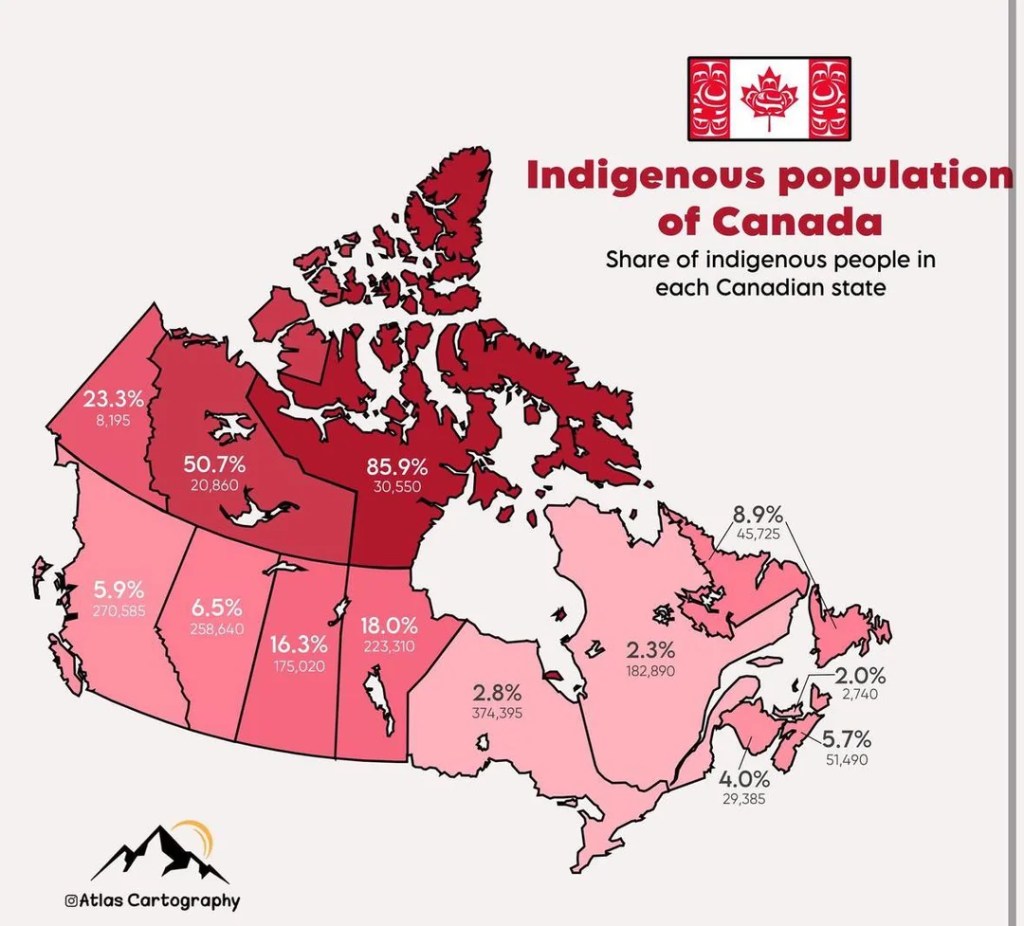
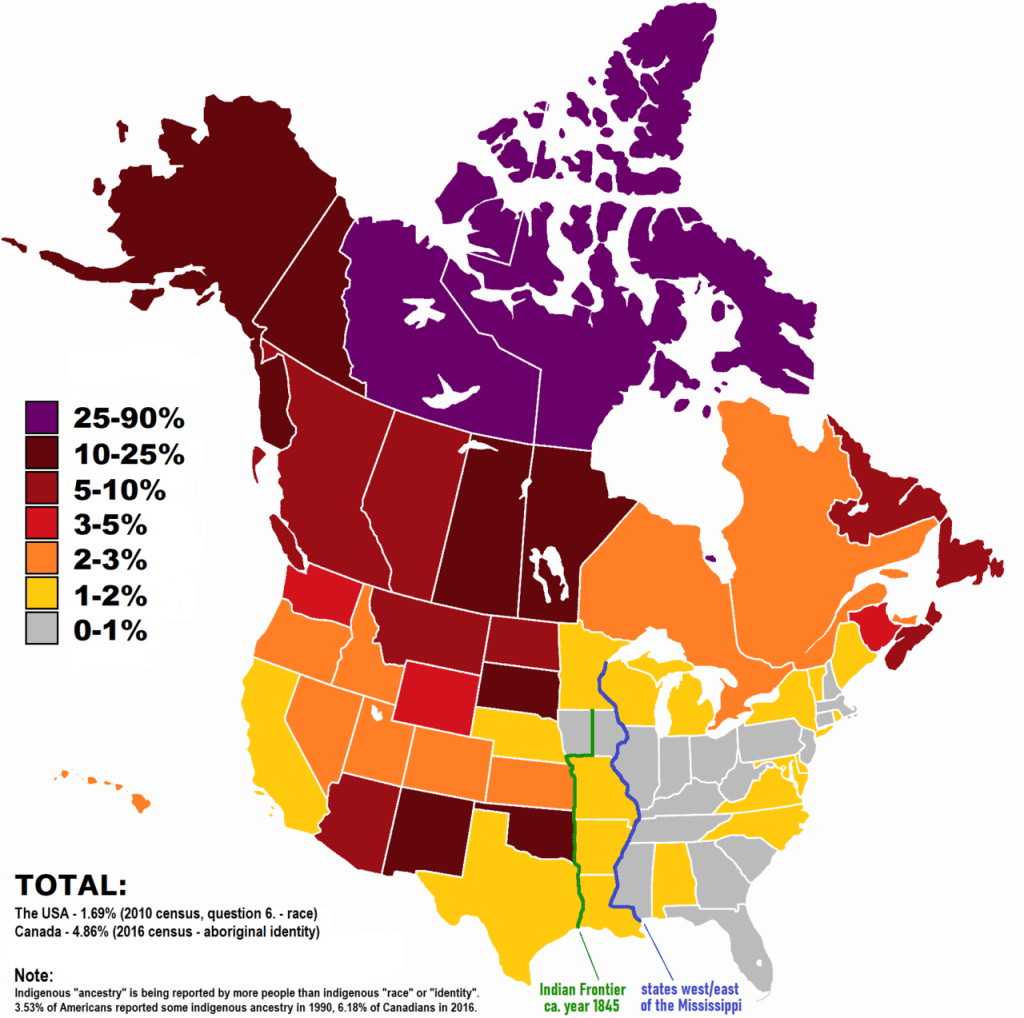
Native people of Canada – or First Nations people – represent 5 percent of Canadian people (with different rates within different provinces)- with a rate of population growth; however – what exactly happened with the other 95 percent?!Excluding the Land possession – Doesn’t this sound like Genocide to anyone with a brain the size of a mustard grain?!
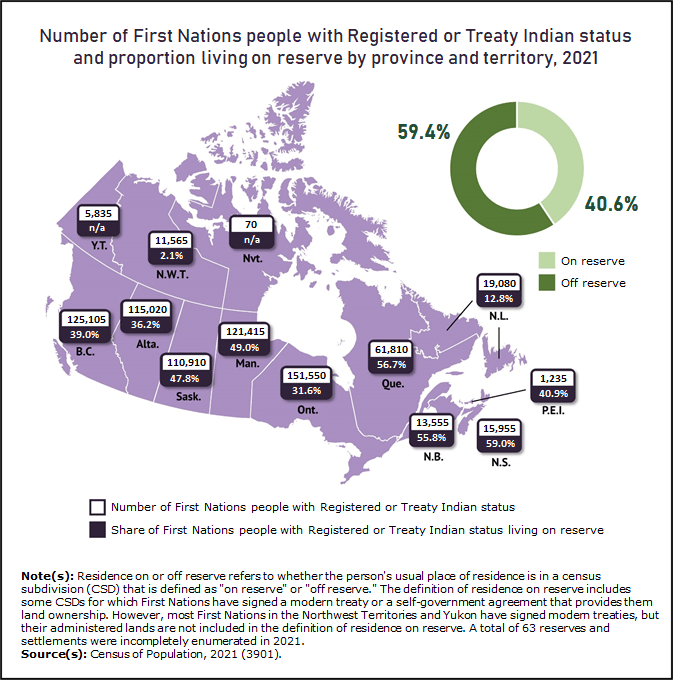
According to the 2021 Census, there were 1.8 million Indigenous people, representing 5.0% of the total Canadian population, up from 4.9% in 2016.
National Indigenous History Month and National Indigenous Peoples Day are opportunities to learn more about the unique cultures, traditions and experiences of First Nations people, Métis, and Inuit. This is also a time to honour the history, achievements, and resilience of Indigenous peoples, who have been living on this land since time immemorial and whose presence continues to impact the evolution of the country. Using 2021 Census of Population data, let’s shed some light on these populations (https://thecanadianencyclopedia.ca/en/article/genocide-and-indigenous-peoples-in-canada)
Forced Living in Reserves without the Right to Leave – Historical Facts
From 1885 into the 1940s, a pass system controlled Indigenous people’s movement, requiring those living on reserve to get written permission from an “Indian agent” (government officials) when needed to leave their community.
Reserves Today
Reserves are still vital land bases for Indigenous people across Canada, which continue to be classified as federal land but as self-governed by Indigenous people of their community.
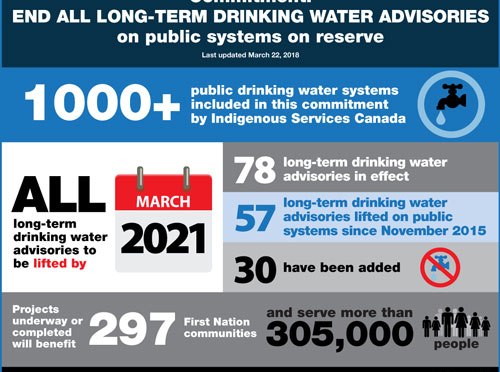
Some reserves have the most concerning conditions in Canada, such as isolated communities with high poverty rates, substance addiction, suicide, unemployment, and mortality.
It is widely acknowledged that the cultural genocide and social disruption over generations by displacements, discriminatory legislation, and political neglect results in long-term hardships and hinder the re-establishment of social networks and stable communities.
According to the 2021 Census, there were 1.8 million Indigenous people, representing 5.0% of the total Canadian population, up from 4.9% in 2016.
However, this growth was not as fast as in previous years. For example, from 2011 to 2016, the Indigenous population grew by 18.9%, more than double the 2021 growth rate.
For the first time, the Census enumerated more than 1 million (1,048,405) First Nations people living in Canada.
The Language Issues:
English and French are the two “Offiicial” languages of Canada, enjoying equal status, rights, and privileges in all federal government institutions, parliament, and courts. Established by the Official Languages Act (1969) and the Charter of Rights and Freedoms (1982), this policy guarantees Canadians the right to receive federal services in either language
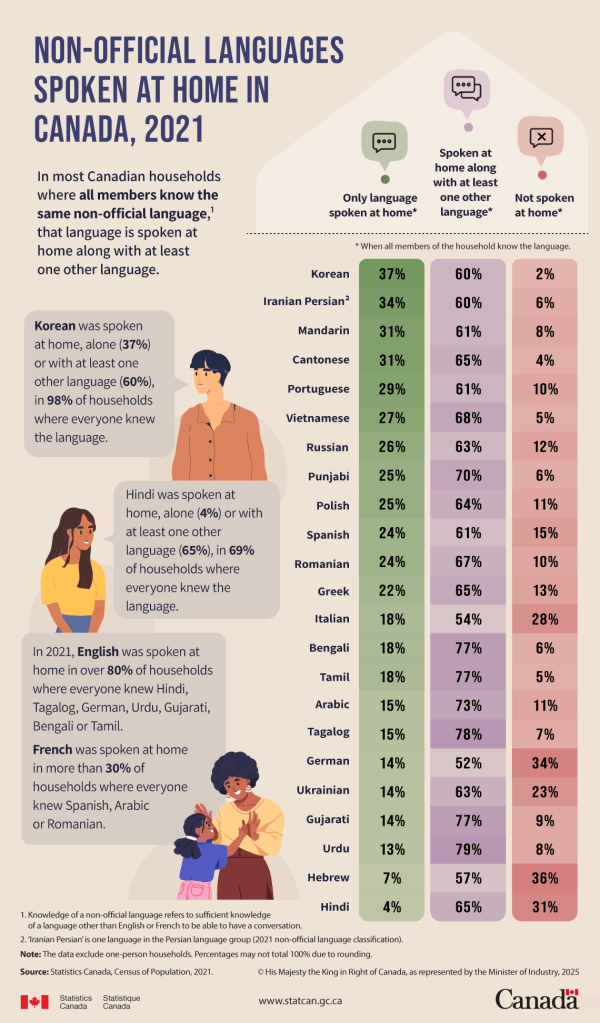
Isn’t it Strange that No Native Languages are official Languages – also Colonization Effect – and again every person may speak their Language – and I guess we use English for convenience; but then again technically speaking Canada should have a goverment language – which may happen to be English – due to colonization – and no official language as technically speaking – Canada and US have majority immigrant populations – so the majority of populations in major urban centers speak a Different language at home.
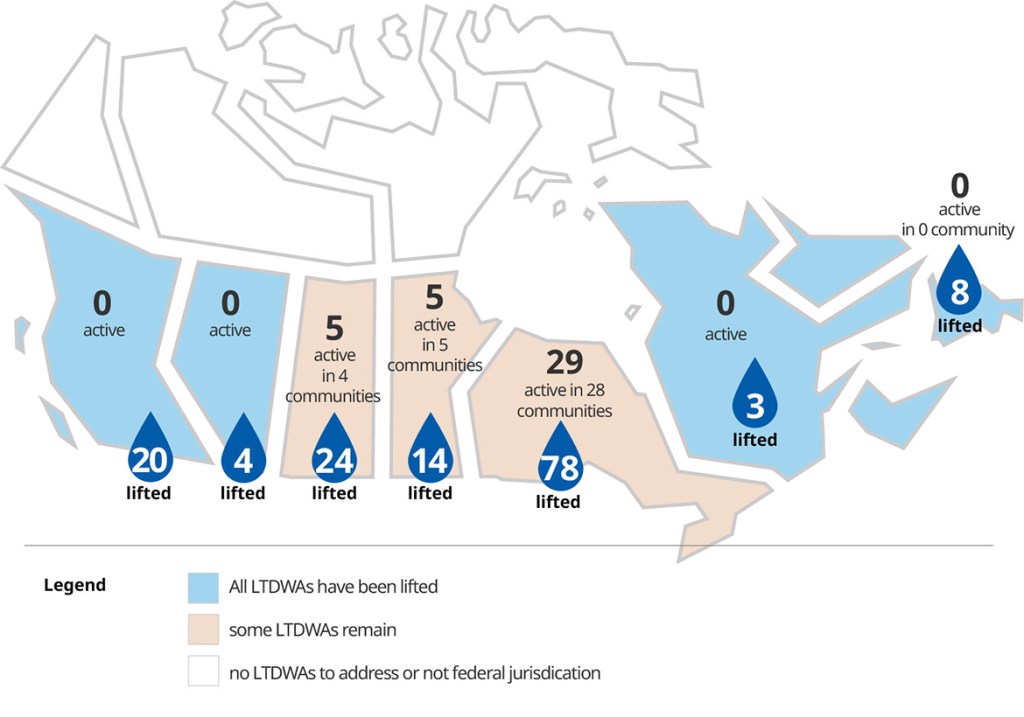
#Canada ; #genocide; #history; #Colonization; #boiling water advisories; #sucide rates; #poverty; #forced Sterilizations, #Language Issues and #History;
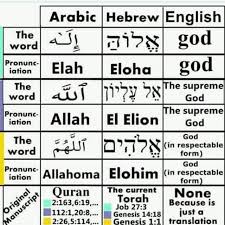
The main Aramaic words for God are Elah (ܐܠܗ) or Alaha (ܐܲܠܵܗܵܐ), meaning “God,” which are cognates of the Hebrew Eloah/Elohim and the Arabic Allah, all stemming from a common Semitic root for divinity. Aramaic also uses Elahi (אֱלָהִי) for “My God,” famously heard in Jesus’ cry “Eloi, Eloi, lama sabachthani?” (My God, my God, why have you forsaken me?).
* KEY TERMS:
Elah / Alaha (אלה / אלהא): The general term for “God,” used in Biblical Aramaic and Syriac.
Elahi (אֱלָהִי): Means “My God,” a possessive form.
Eloi: The specific Aramaic/Hebrew form for “My God,” as used by Jesus in the Gospels.
Connections to Other Languages:
These Aramaic terms share a common root with the Hebrew Elohim (God) and the Arabic Allah (God), highlighting linguistic links across Semitic languages.
*USAGE:
Jesus’ use of “Eloi” in Aramaic (Mark 15:34) shows direct usage of these terms.
In the Bible (Books of Daniel, Ezra), compound forms like Elah Avahati (God of my fathers) and Elah Shemaiya (God of Heaven) are found.
Last 3 Ayyat/ Verses from Surah Hashr (gathering in Judgement Day);
Translation of the last 3 verses of Surah Hashr: Verses 22-24; He is Allah—there is no god worthy of worship except Him: Knower of the seen and unseen. He is the Most Compassionate, Most Merciful. He is Allah—there is no god except Him: the King, the Most Holy, the All-Perfect, the Source of Serenity, the Watcher of all, the Almighty, the Supreme in Might, the Majestic. Glorified is Allah far above what they associate with Him in worship! He is Allah: the Creator, the Inventor, the Shaper. He alone has the Most Beautiful Names. Whatever is in the heavens and the earth constantly glorifies Him. And He is the Almighty, All-Wise.
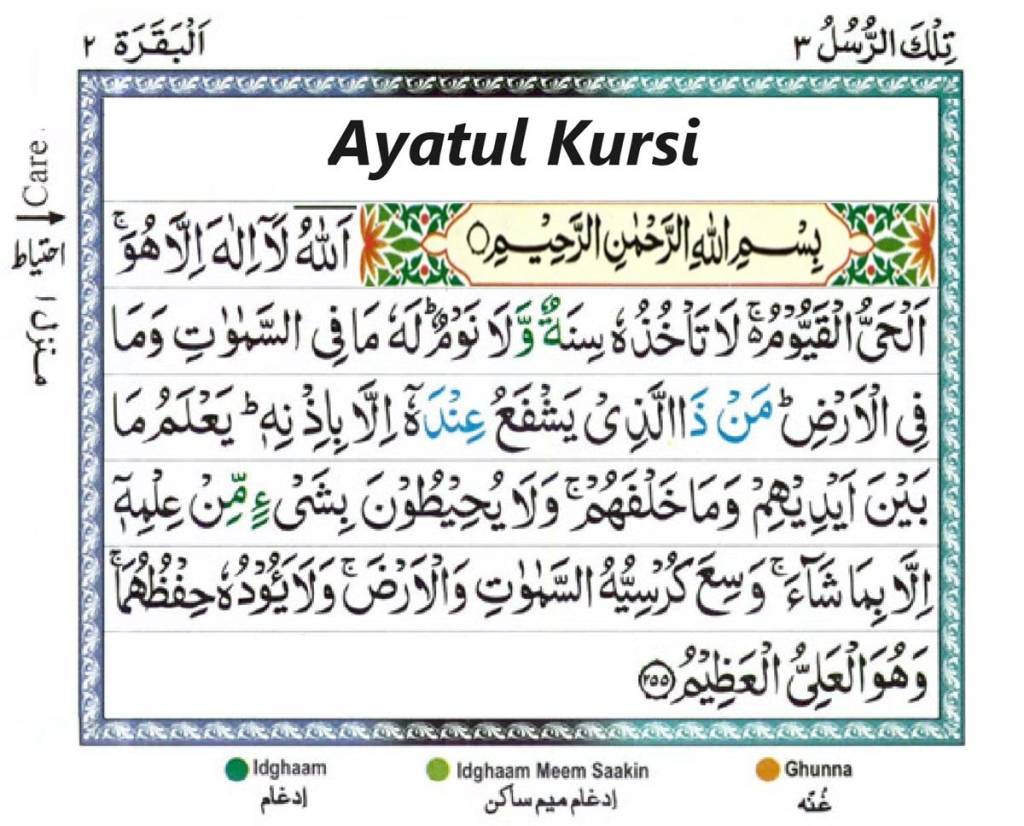
Ayatul Kursi – Verse of the Throne
Allah! There is no god ˹worthy of worship˺ except Him, the Ever-Living, All-Sustaining. Neither drowsiness nor sleep overtakes Him. To Him belongs whatever is in the heavens and whatever is on the earth. Who could possibly intercede with Him without His permission? He ˹fully˺ knows what is ahead of them and what is behind them, but no one can grasp any of His knowledge—except what He wills ˹to reveal˺. His Seat1 encompasses the heavens and the earth, and the preservation of both does not tire Him. For He is the Most High, the Greatest.2
Definitions of God in Semitic Languages
The main Aramaic words for God are Elah (ܐܠܗ) or Alaha (ܐܲܠܵܗܵܐ), meaning “God,” which are cognates of the Hebrew Eloah/Elohim and the Arabic Allah, all stemming from a common Semitic root for divinity. Aramaic also uses Elahi (אֱלָהִי) for “My God,” famously heard in Jesus’ cry “Eloi, Eloi, lama sabachthani?” (My God, my God, why have you forsaken me?).
Key Terms:
Elah / Alaha (אלה / אלהא): The general term for “God,” used in Biblical Aramaic and Syriac.
Elahi (אֱלָהִי): Means “My God,” a possessive form.
Eloi: The specific Aramaic/Hebrew form for “My God,” as used by Jesus in the Gospels.
Connections to Other Languages:
These Aramaic terms share a common root with the Hebrew Elohim (God) and the Arabic Allah (God), highlighting linguistic links across Semitic languages.
Usage:
Jesus’ use of “Eloi” in Aramaic (Mark 15:34) shows direct usage of these terms.
In the Bible (Books of Daniel, Ezra), compound forms like Elah Avahati (God of my fathers) and Elah Shemaiya (God of Heaven) are found.
#God, #Allah, #Divine Attributes, #Definitions, #Islam; #Semitic languages
Am Learning about different Languages – including Gaelic Spelling – since it seems to be unknown and a bit Aracheaic – as it was repressed under the Crown for hundreds of years; @Language revival; similar history with native Languages in North America; like Ojbwe, cree and the Like – Kids used to be forbidden to speak their own language at school;
IRISH LANGUAGE OVERVIEW
The query “irish officially recognized language 19” does not correspond to a single factual event, but the year 1922 is significant as it was the year the first Irish Constitution was enacted, which established Irish as a “national language” and a “first official language”. This status was reaffirmed in the 1937 Constitution and has been maintained in the Republic of Ireland since.
KEY POINTS:
1922:The first Irish Constitution recognized the Irish language as the “national language” and a “first official language”.
Status:Irish remains the national and first official language of the Republic of Ireland. English is recognized as the second official language.
Official Languages Act (2003):This legislation further solidified the status of the Irish language, requiring public bodies to provide services in Irish.
European Union:Irish was made an official language of the EU in 2007 and gained full working language status in 2022.
Written Irish is first attested in Ogham inscriptions from the 4th century AD,[25] a stage of the language known as Primitive Irish. These writings have been found throughout Ireland and the west coast of Great Britain.
Old Irish
Primitive Irish underwent a change into Old Irish through the 5th century. Old Irish, dating from the 6th century, used the Latin alphabet and is attested primarily in marginalia to Latin manuscripts. During this time, the Irish language absorbed some Latin words, some via Old Welsh, including ecclesiastical terms: examples are easpag (bishop) from episcopus, and Domhnach (Sunday, from dominica).
Middle Irish
By the 10th century, Old Irish had evolved into Middle Irish, which was spoken throughout Ireland, the Isle of Man and parts of Scotland. It is the language of a large corpus of literature, including the Ulster Cycle. From the 12th century, Middle Irish began to evolve into modern Irish in Ireland, Scottish Gaelic in Scotland, and Manx on the Isle of Man.
Modern Irish, sometimes called Late Modern Irish, as attested in the work of such writers as Geoffrey Keating, is said to date from the 17th century, and was the medium of popular literature from that time on.[26][27]
Decline
From the 18th century on, the language lost ground in the east of the country. The reasons behind this shift were complex but came down to a number of factors:
Discouragement of its use by the Anglo-Irish administration.
A sign for the Department of Culture, Arts and Leisure in Northern Ireland, in English, Irish and Ulster Scots.
Before the partition of Ireland in 1921, Irish was recognised as a school subject and as “Celtic” in some third level institutions. Between 1921 and 1972, government in Northern Ireland was devolved. During those years, the political party holding power in the Stormont Parliament, the Ulster Unionist Party (UUP), was hostile to the language as it was almost exclusively used by nationalists.[71] In broadcasting, reporting minority cultural issues was prohibited and Irish was excluded from radio and television for almost the first fifty years of the devolved government.[72]
The status of Irish has often been used as a bargaining chip during government formation in Northern Ireland, prompting protests from organisations and groups such as An Dream Dearg.[75]
IRISH, LANGUAGE, HISTORY, REPRESSION, SOUNDS;
LANGUAGE REPRESSION IN EX SOVIET UNION – USSR
The USSR significantly repressed local languages through deliberate language policies that promoted Russification and Cyrillicization, especially in the late 1930s, to foster political unity and eliminate nationalist sentiments. Early efforts included shifting away from Arabic and Latin scripts to Cyrillic for Turkic and other languages, severing cultural ties and enhancing control. Later policies mandated Russian as a compulsory school subject, suppressed local media and publications, and purged non-Russian national elites accused of fostering division.
Early Soviet Period (Post-1917):
“Korenizatsiia” (Indigenization):Initially, the Soviet government promoted some national languages and scripts (e.g., Latin for Turkic languages) to foster support and identity among ethnic groups, a policy known as korenizatsiia.
Break from Religious Scripts:This included abolishing the Arabic script in the Caucasus and Central Asia, designed to distance Muslim populations from their religious heritage.
Shift Towards Russification and Cyrillicization (Late 1930s Onward): Mandatory Cyrillicization:By 1939–1940, the policy reversed, mandating Cyrillic for languages like Tatar, Kazakh, Uzbek, and Azerbaijani, thereby increasing assimilation with Russian.
Political Motivation:This change was driven by a desire to build a unified Soviet state, counter perceived threats from nationalist movements, and solidify control.
Purge of National Elites:Local leaders who championed their languages and cultures were purged between 1933 and 1938, with accusations that they were agents of foreign powers aiming to dismember the USSR.
Russification in Education and Culture:
Russian Language Education:Russian became compulsory in all Soviet schools, reflecting its dominance in administration, politics, and commerce.
Suppression of Media:The state tightly controlled printing presses and typewriters to prevent the spread of unauthorized publications in non-Russian languages.
Prohibition of “Samizdat”:The illegal circulation of literature and texts outside official channels (samizdat) was severely suppressed.
Long-Term Consequences:
Decline of Non-Russian Languages:The policies led to a decline in the use of many native languages, particularly among younger generations, and a widespread adoption of Russian as a second language.
Late Soviet Period Nuances:Despite these efforts, in the final decades of the USSR, non-Russian languages continued to thrive for their native speakers, coexisting with the almost universal use of Russian in public life, though there were attempts in the late 1970s to remove native languages from official status in some republics, which led to protests.
SOVIET UNION – LANGUAGE SUPPRESSION
CANADA – INDIGENOUS LANGUAGES – SUPPRESSION – INDIAN ACT
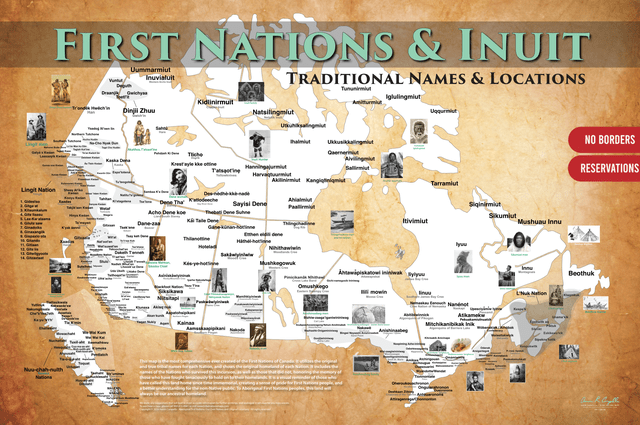
Language repression in Canada involved colonial policies like the Indian Act and the residential school system, which forcibly prohibited Indigenous languages and punished children for speaking them, leading to widespread cultural loss and intergenerational trauma. This systemic suppression aimed to assimilate Indigenous peoples into Canadian society, resulting in the endangerment and potential extinction of many Indigenous languages today. Efforts to counter this legacy include the Indigenous Languages Act of 2019, funding for revitalization programs, and community-led initiatives to restore pride and pass languages to future generations.
The Historical Context of Language Repression
Residential Schools:A primary tool of assimilation was the residential school system, which removed Indigenous children from their families and communities.
Prohibition and Punishment:Students were forbidden to speak their mother tongues and faced severe punishment for doing so.
Cultural Genocide:This was a deliberate attempt to destroy Indigenous cultures by silencing their languages, which is a form of cultural genocide.
Indian Act:This legislation and associated colonial policies further reinforced the ban on Indigenous languages and traditions, contributing to their decline.
IMPACT OF LANGUAGE REPRESSION
Endangered Languages:The systemic repression has led to a crisis where many of the original sixty-plus Indigenous languages are now endangered or at risk of extinction.
Intergenerational Trauma:The fear of punishment, the loss of fluency, and the shame associated with not being able to speak one’s language has contributed to significant intergenerational trauma and negative health outcomes.
Cultural Loss:Many words, traditions, and knowledge systems embedded in Indigenous languages have been lost or silenced.
Revitalization and Reclamation Efforts
REVITALIZATION AND RECLAMATION EFFORTS:
Indigenous Languages Act:In 2019, Canada passed the Indigenous Languages Act to support the preservation, revitalization, and strengthening of Indigenous languages.
Funding and Resources: Government funding and community-led initiatives provide resources for language programs, such as immersion schools, educational materials, and digital resources.
Community Involvement:Elders, language speakers, educators, and communities are actively working to revitalize languages through “language nests,” classrooms, and online platforms.
Promoting Pride and Healing: These efforts aim to restore cultural pride, rebuild self-esteem, and ease the intergenerational trauma caused by past policie






 bismillahschool.net