

Daily Archives: September 28, 2025

Clear Quran – Arabic and Translation – Internet Archive


No Monasticism in Islam
Muhsin Khan
Then, We sent after them, Our Messengers, and We sent ‘Iesa (Jesus) – son of Maryam (Mary), and gave him the Injeel (Gospel). And We ordained in the hearts of those who followed him, compassion and mercy. But the Monasticism which they invented for themselves, We did not prescribe for them, but (they sought it) only to please Allah therewith, but that they did not observe it with the right observance. So We gave those among them who believed, their (due) reward, but many of them are Fasiqun (rebellious, disobedient to Allah).
Maulana Maududi Tafsir:
53. The words in the original can have two meanings: (1) That We did not enjoin monasticism (ruhbaniyyat) upon them. We enjoined upon them only the seeking of Allah’s good pleasure.
(2) That monasticism was not enjoined by Us. They of their own accord enjoined it on themselves, to seek Allah’s good pleasure. In both cases this verse makes it explicit that monasticism is an un-Islamic creed, and it has never been part of the true faith. The same thing has been stated by the Prophet (peace be upon him) thus: There is no monasticism in Islam. (Musnad Ahmed).
#No #Monasticism in #Islam; and #Innovations in Christianity;
JESUS IN QURAN KAREEM – Verses
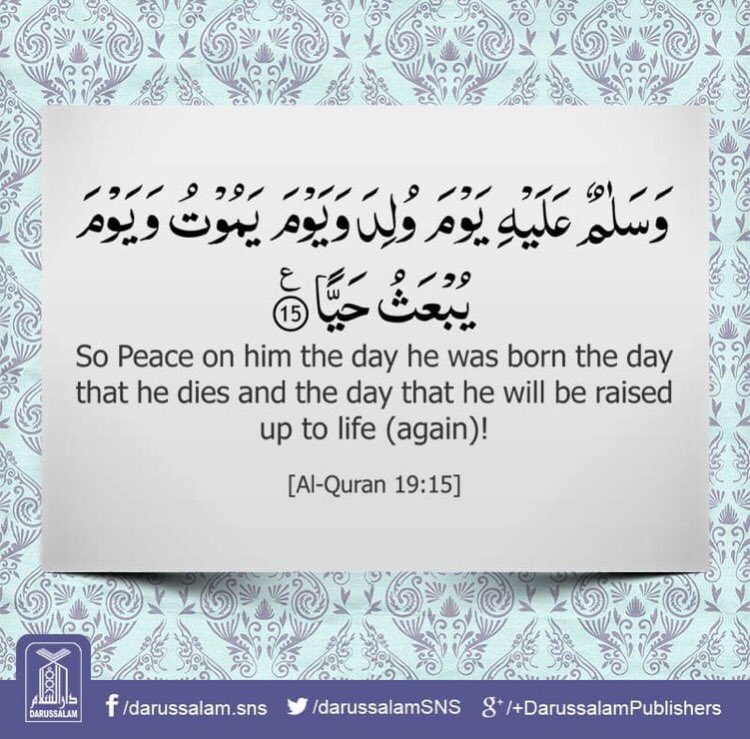
Isa (عَلَيْهِ ٱلسَّلَامُ) made the supplication,
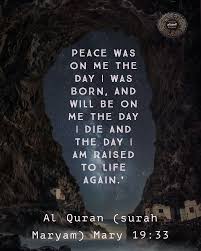
“Indeed, I am the servant of Allah. He has given me the Scripture and made me a prophet. And He has made me blessed wherever I am and has enjoined upon me prayer and zakah as long as I remain alive And [made me] dutiful to my mother, and He has not made me a wretched tyrant. And peace is on me the day I was born and the day I will die and the day I am raised alive.”
— (Surah Maryam, ayat 30-33)

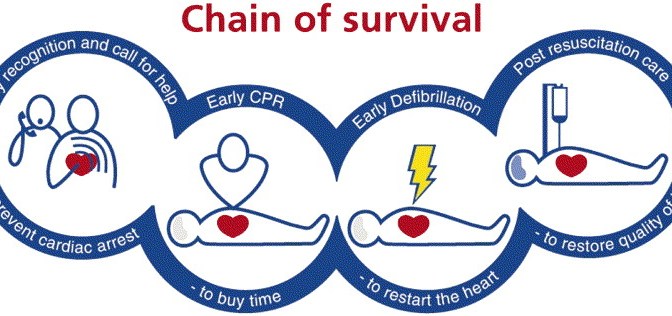
Cardiac Chain of Survival
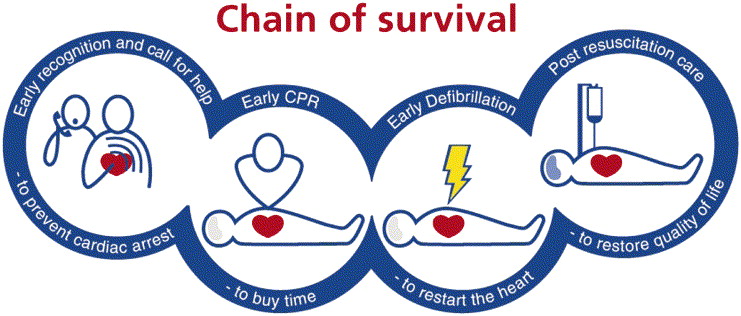
The Cardiac Chain of Survival is a sequence of critical steps that must be performed in order to improve the chances of survival for someone experiencing a sudden cardiac arrest. The most common adult chain of survival includes: 1. Early Recognition and Emergency Response (calling 911), 2. Early CPR (to keep oxygen flowing), 3. Rapid Defibrillation (using an AED to restart the heart), 4. Advanced Life Support (by EMS), and 5. Integrated Post-Cardiac Arrest Care (hospital care for recovery).
LINKS OF THE CHAIN OF SURVIVAL
- Early Recognition and Activation of the Emergency Response: The first step is to recognize the signs of cardiac arrest and immediately call emergency services (like 911).
- Early CPR (Cardiopulmonary Resuscitation): Performing high-quality CPR, especially chest compressions, helps to keep vital organs like the brain supplied with oxygen until more advanced care is available.
- Rapid Defibrillation: Using an Automated External Defibrillator (AED) to deliver an electric shock to the heart can restart its normal rhythm.
- Effective Advanced Life Support (ALS): Emergency Medical Services (EMS) arrive and provide more advanced medical care, including administering medications and continuing resuscitation efforts.
- Integrated Post-Cardiac Arrest Care: After the heart is restarted, integrated care in a hospital setting is crucial for recovery and managing potential complications.
Why the Chain of Survival is Important
Each link in the chain is interdependent; if one link is broken or delayed, the chances of survival are significantly reduced. By providing timely, coordinated care, the chain of survival improves outcomes for people who experience sudden cardiac arrest.
 bismillahschool.net