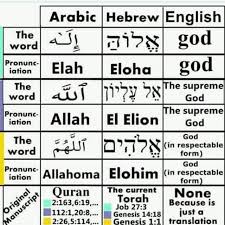
The main Aramaic words for God are Elah (ܐܠܗ) or Alaha (ܐܲܠܵܗܵܐ), meaning “God,” which are cognates of the Hebrew Eloah/Elohim and the Arabic Allah, all stemming from a common Semitic root for divinity. Aramaic also uses Elahi (אֱלָהִי) for “My God,” famously heard in Jesus’ cry “Eloi, Eloi, lama sabachthani?” (My God, my God, why have you forsaken me?).
* KEY TERMS:
Elah / Alaha (אלה / אלהא): The general term for “God,” used in Biblical Aramaic and Syriac.
Elahi (אֱלָהִי): Means “My God,” a possessive form.
Eloi: The specific Aramaic/Hebrew form for “My God,” as used by Jesus in the Gospels.
Connections to Other Languages:
These Aramaic terms share a common root with the Hebrew Elohim (God) and the Arabic Allah (God), highlighting linguistic links across Semitic languages.
*USAGE:
Jesus’ use of “Eloi” in Aramaic (Mark 15:34) shows direct usage of these terms.
In the Bible (Books of Daniel, Ezra), compound forms like Elah Avahati (God of my fathers) and Elah Shemaiya (God of Heaven) are found.
Ahmad (22978) narrated from Abu Nadrah: Someone who heard the khutbah of the Messenger of Allah (blessings and peace of Allah be upon him) on the second of the days of at-Tashreeq told me that he said: “O people, verily your Lord is One and your father is one. Verily there is no superiority of an Arab over a non-Arab or of a non-Arab over an Arab, or of a red man over a black man, or of a black man over a red man, except in terms of Taqwa (Piety, Fear of God). Have I conveyed the message?” They said: The Messenger of Allah (blessings and peace of Allah be upon him) has conveyed the message. Classed as saheeh by al-Albaani in as-Saheehah (6/199).
Last 3 Ayyat/ Verses from Surah Hashr (gathering in Judgement Day);
Translation of the last 3 verses of Surah Hashr: Verses 22-24; He is Allah—there is no god worthy of worship except Him: Knower of the seen and unseen. He is the Most Compassionate, Most Merciful. He is Allah—there is no god except Him: the King, the Most Holy, the All-Perfect, the Source of Serenity, the Watcher of all, the Almighty, the Supreme in Might, the Majestic. Glorified is Allah far above what they associate with Him in worship! He is Allah: the Creator, the Inventor, the Shaper. He alone has the Most Beautiful Names. Whatever is in the heavens and the earth constantly glorifies Him. And He is the Almighty, All-Wise.
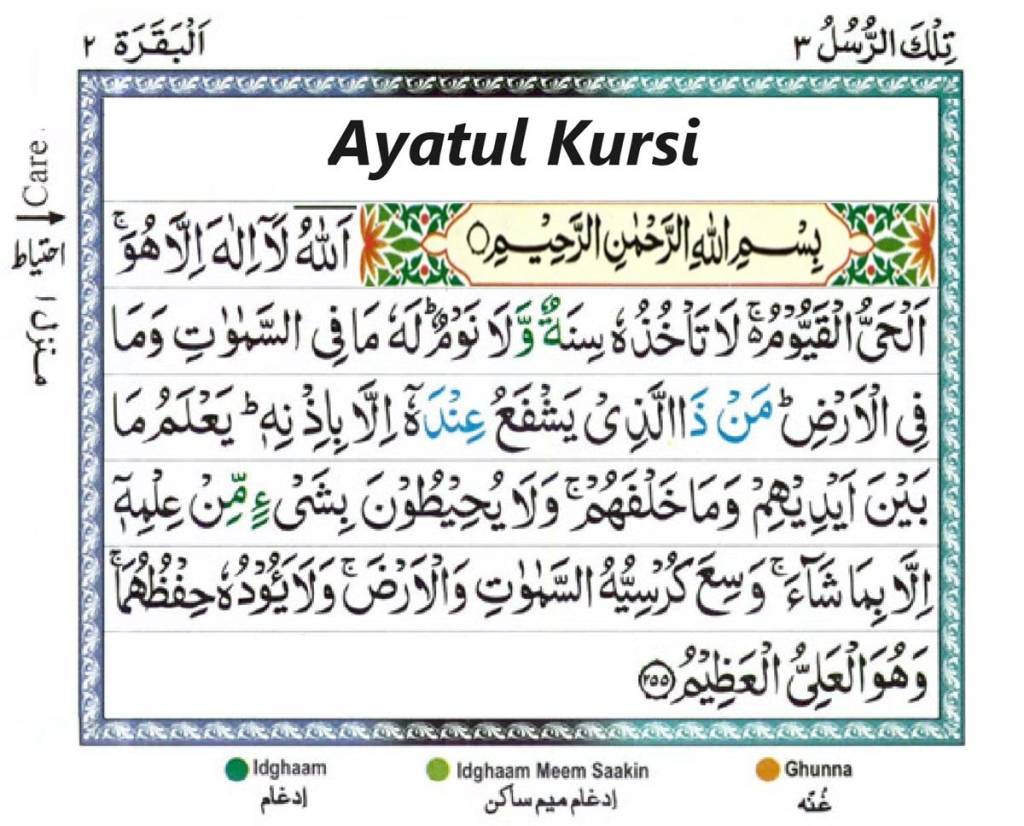
Ayatul Kursi – Verse of the Throne
Allah! There is no god ˹worthy of worship˺ except Him, the Ever-Living, All-Sustaining. Neither drowsiness nor sleep overtakes Him. To Him belongs whatever is in the heavens and whatever is on the earth. Who could possibly intercede with Him without His permission? He ˹fully˺ knows what is ahead of them and what is behind them, but no one can grasp any of His knowledge—except what He wills ˹to reveal˺. His Seat1 encompasses the heavens and the earth, and the preservation of both does not tire Him. For He is the Most High, the Greatest.2
Definitions of God in Semitic Languages
The main Aramaic words for God are Elah (ܐܠܗ) or Alaha (ܐܲܠܵܗܵܐ), meaning “God,” which are cognates of the Hebrew Eloah/Elohim and the Arabic Allah, all stemming from a common Semitic root for divinity. Aramaic also uses Elahi (אֱלָהִי) for “My God,” famously heard in Jesus’ cry “Eloi, Eloi, lama sabachthani?” (My God, my God, why have you forsaken me?).
Key Terms:
Elah / Alaha (אלה / אלהא): The general term for “God,” used in Biblical Aramaic and Syriac.
Elahi (אֱלָהִי): Means “My God,” a possessive form.
Eloi: The specific Aramaic/Hebrew form for “My God,” as used by Jesus in the Gospels.
Connections to Other Languages:
These Aramaic terms share a common root with the Hebrew Elohim (God) and the Arabic Allah (God), highlighting linguistic links across Semitic languages.
Usage:
Jesus’ use of “Eloi” in Aramaic (Mark 15:34) shows direct usage of these terms.
In the Bible (Books of Daniel, Ezra), compound forms like Elah Avahati (God of my fathers) and Elah Shemaiya (God of Heaven) are found.
#God, #Allah, #Divine Attributes, #Definitions, #Islam; #Semitic languages




 bismillahschool.net