Sister Maryam:
Teacher, Traveller; Tutoring Services - English, Math, Islamic Studies;
Worked with Kids/ students from the ages 4 to 18 - in elementary school, hischool and madrasah tutoring;
Abu Umamah Al-Bahili (May Allah be pleased with him) reported:
Messenger of Allah (ﷺ) said, “I guarantee a house in Jannah for one who gives up arguing, even if he is in the right; and I guarantee a home in the middle of Jannah for one who abandons lying even for the sake of fun; and I guarantee a house in the highest part of Jannah for one who has good manners.”[Abu Dawud].
وعن أبى أمامه الباهلى رضي الله عنه قال: قال رسول الله صلى الله عليه وسلم: “أنا زعيم ببيت في ربض الجنة لمن ترك المراء، وإن كان محقاً، وببيت في وسط الجنة لمن ترك الكذب، وإن كان مازحاً، وببيت في أعلى الجنة لمن حسن خلقه” ((حديث صحيح رواه أبو داود بإسناد صحيح)).
Modern DNA tells a surprising story: the Palestinian Arabs are more genetically connected to the ancient Israelites than the European Jews who displaced them. This is the untold story of how today’s Palestinians can trace their roots back to the Bronze Age Canaanites and to the people who once built the Kingdoms of Israel and Judah.
Historical religious Records: Jews – converted to Christianity – converted to Islam;
The Genomic History of the Bronze Age Southern Levant
Highlights
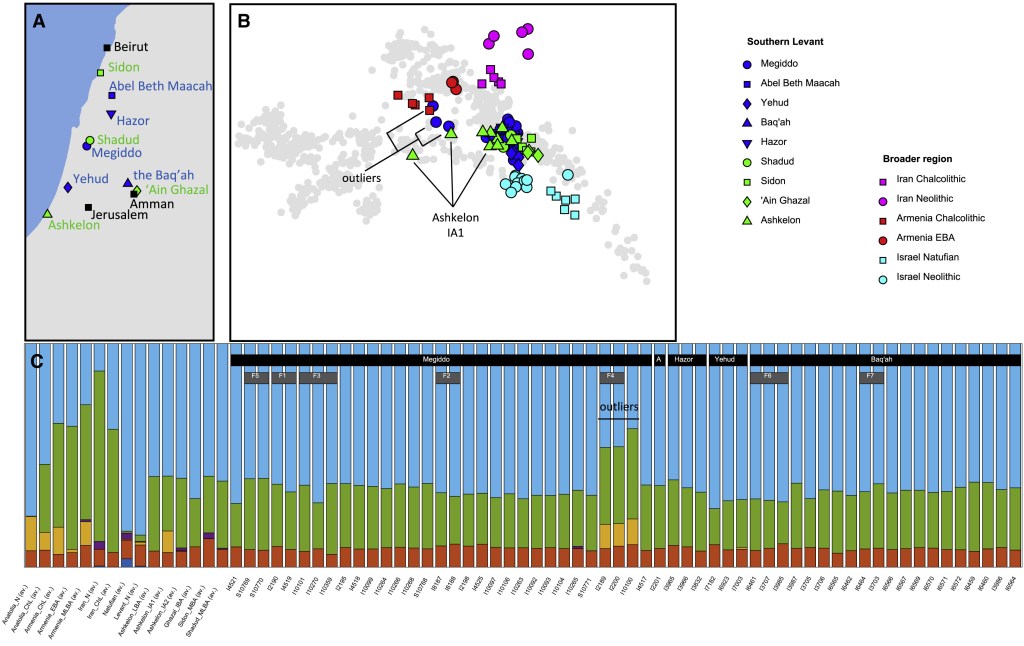
•Analysis of genome-wide data for nine sites from the Bronze Age Southern Levant
•Contemporaneous samples from multiple sites are genetically similar
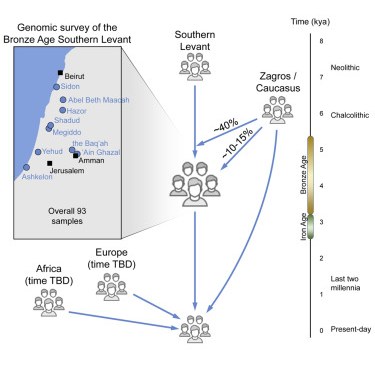
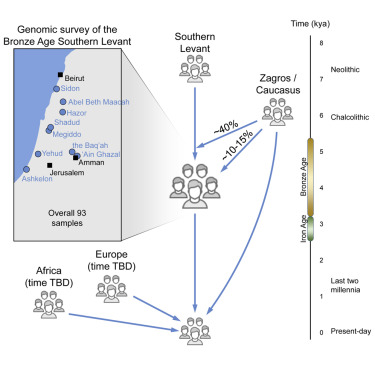
•Migration from the Zagros and/or Caucasus to the Levant between 2500–1000 BCE
•People related to these individuals contributed to all present-day Levantine populations
Summary
We report genome-wide DNA data for 73 individuals from five archaeological sites across the Bronze and Iron Ages Southern Levant. These individuals, who share the “Canaanite” material culture, can be modeled as descending from two sources: (1) earlier local Neolithic populations and (2) populations related to the Chalcolithic Zagros or the Bronze Age Caucasus. The non-local contribution increased over time, as evinced by three outliers who can be modeled as descendants of recent migrants.
We show evidence that different “Canaanite” groups genetically resemble each other more than other populations. We find that Levant-related modern populations typically have substantial ancestry coming from populations related to the Chalcolithic Zagros and the Bronze Age Southern Levant. These groups also harbor ancestry from sources we cannot fully model with the available data, highlighting the critical role of post-Bronze-Age migrations into the region over the past 3,000 years.
On the authority of Jurthum bin Nashir (may Allah be pleased with him) that the Messenger of Allah (peace be upon him) said:
Verily Allah the Almighty has laid down religious obligations (fara’id), so do not neglect them. He has set boundaries, so do not overstep them. He has prohibited some things, so do not violate them; about some things He was silent, out of compassion for you, not forgetfulness, so seek not after them. [Daraqutni]
عَنْ أَبِي ثَعْلَبَةَ الْخُشَنِيِّ جُرْثُومِ بن نَاشِر رَضِيَ اللهُ عَنْهُ عَنْ رَسُولِ اللَّهِ صلى الله عليه و سلم قَال:
It was narrated from Thawban that the Messenger of Allah (ﷺ) said:
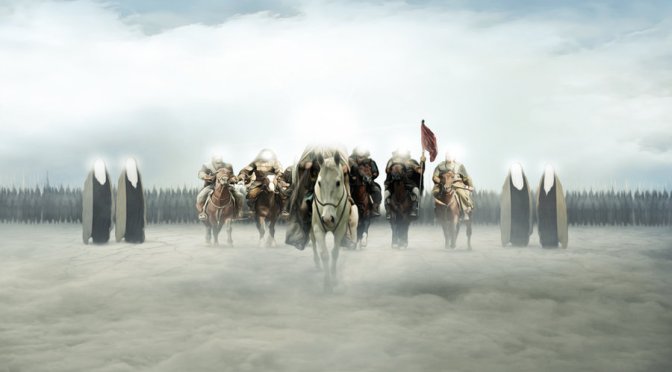
“Three will fight one another for your treasure, each one of them the son of a caliph, but none of them will gain it. Then the black banners will come from the east, and they will kill you in an unprecedented manner.” Then he mentioned something that I do not remember, then he said: “When you see them, then pledge your allegiance to them even if you have to crawl over the snow, for that is the caliph of Allah, Mahdi.”
Abu Hurairah (May Allah be pleased with him) reported:
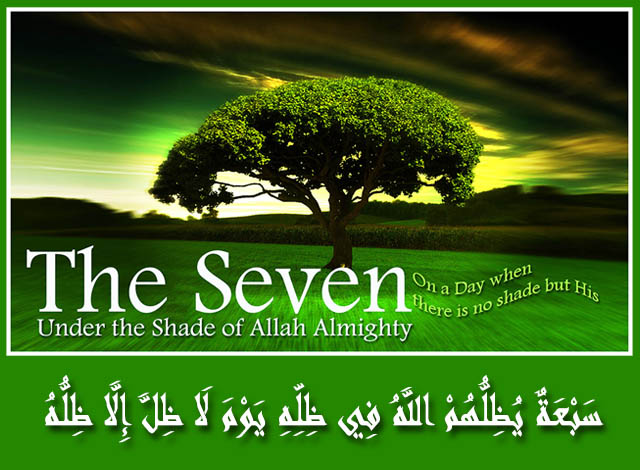
Messenger of Allah (ﷺ) said, “Seven people Allah will give them His Shade on the Day when there would be no shade but the Shade of His Throne (i.e., on the Day of Resurrection): And they are: a Just ruler; a youth who grew up with the worship of Allah; a person whose heart is attached to the mosques, two men who love and meet each other and depart from each other for the sake of Allah; a man whom an extremely beautiful woman seduces (for illicit relation), but he (rejects this offer and) says: ‘I fear Allah’; a man who gives in charity and conceals it (to such an extent) that the left hand does not know what the right has given; and a man who remembers Allah in solitude and his eyes become tearful”.[Al-Bukhari and Muslim]. –Riyah as -Salihin 449;
وعنه قال: قال رسول الله ، صلى الله عليه وسلم:”سبعة يظلهم الله في ظله يوم لا ظل إلا ظله: إمام عادل، وشاب نشأ في عبادة الله ، ورجل قلبه معلق في المساجد، ورجلان تحابا في الله، اجتمعا عليه، وتفرقا عليه، ورجل دعته امرأة ذات منصب وجمال، فقال: إنى أخاف الله، ورجل تصدق بصدقة فأخفاها حتى لا تعلم شماله ما تنفق يمينه، ورجل ذكر الله خالياً ففاضت عيناه” ((متفق عليه)) .
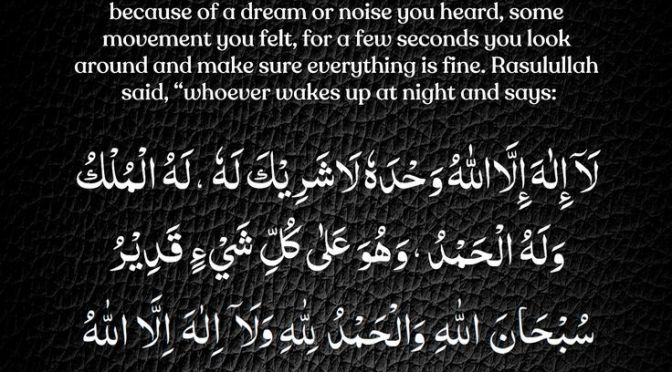
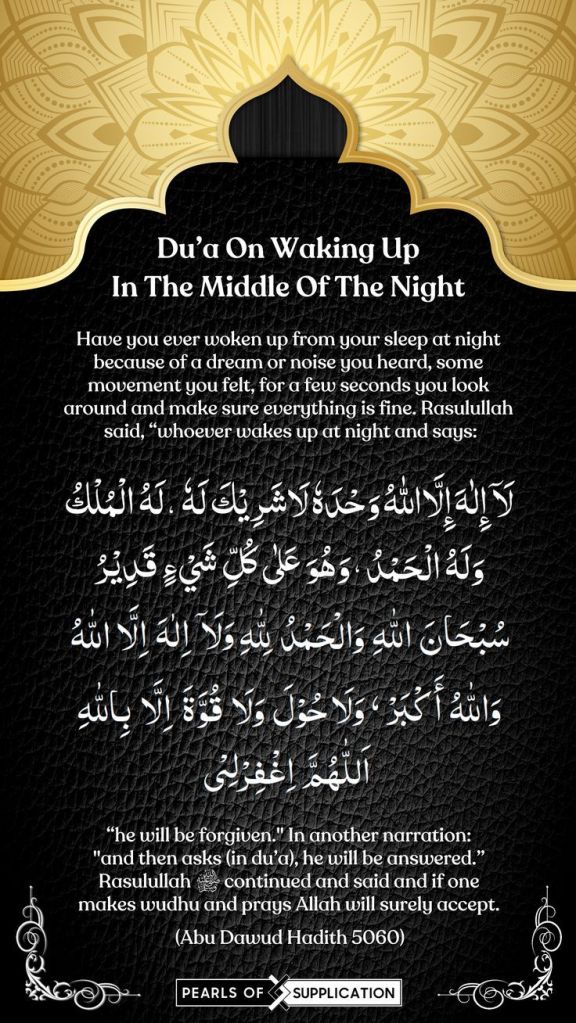
Narrated ‘Ubada bin As-Samit: The Prophet (ﷺ) “Whoever gets up at night and says: — ‘La ilaha il-lallah Wahdahu la Sharika lahu Lahu-lmulk, waLahu-l-hamd wahuwa ‘ala kullishai’in Qadir. Al hamdu lil-lahi wa subhanal-lahi wa la-ilaha il-lal-lah wa-l-lahu akbar wa la hawla Wala Quwata il-la-bil-lah.’ (None has the right to be worshipped but Allah. He is the Only One and has no partners . For Him is the Kingdom and all the praises are due for Him. He is Omnipotent. All the praises are for Allah. All the glories are for Allah. And none has the right to be worshipped but Allah, And Allah is Great And there is neither Might nor Power Except with Allah). And then says: — Allahumma, Ighfir li (O Allah! Forgive me). Or invokes (Allah), he will be responded to and if he performs ablution (and prays), his prayer will be accepted.”
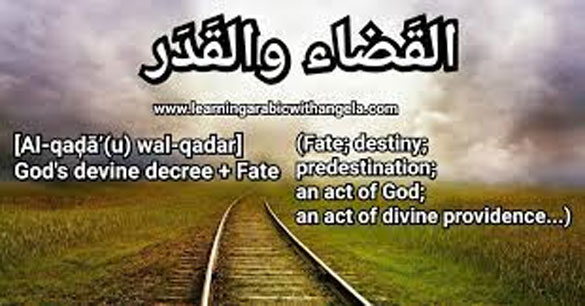
Jami` at-Tirmidhi 2139’Salman narrated that the Messenger of Allah (peace be upon him) said:”Nothing turns back the Decree except supplication, and nothing increases the life-span except righteousness.”
حَدَّثَنَا مُحَمَّدُ بْنُ حُمَيْدٍ الرَّازِيُّ، وَسَعِيدُ بْنُ يَعْقُوبَ، قَالاَ حَدَّثَنَا يَحْيَى بْنُ الضُّرَيْسِ، عَنْ أَبِي مَوْدُودٍ، عَنْ سُلَيْمَانَ التَّيْمِيِّ، عَنْ أَبِي عُثْمَانَ النَّهْدِيِّ، عَنْ سَلْمَانَ، قَالَ قَالَ رَسُولُ اللَّهِ صلى الله عليه وسلم “ لاَ يَرُدُّ الْقَضَاءَ إِلاَّ الدُّعَاءُ وَلاَ يَزِيدُ فِي الْعُمُرِ إِلاَّ الْبِرُّ ” الحكم: حسنه أو صححه الشيخ الألباني (في [صحيح الجامع] 7687).
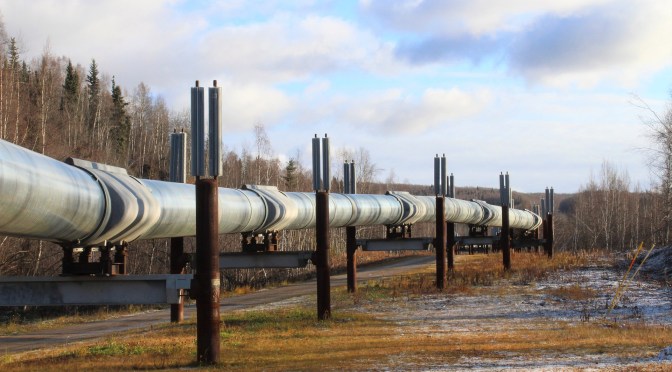
Canada faces a choice: Build new fossil fuel pipelines that deepen the climate crisis, damage ecosystems, endanger communities and enrich oil and gas billionaires, or build a truly resilient, people- and nature-centred future powered by renewables.
In November 2025, Prime Minister Mark Carney made a damaging deal with Alberta to fast-track a new diluted bitumen oil pipeline to B.C.’s coast while rolling back key environmental protections. This pipeline would lock Canada into deeper dependence on a declining, high-polluting industry and put North Pacific ecosystems and coastal First Nations at risk from increased tanker traffic and catastrophic oil spills.
There’s still time to stop this pipeline ploy and choose a fossil-fuel free future. Alberta intends to submit its pipeline proposal to the federal government’s Major Projects Office by July 1, 2026.
Act now! Message Carney and ask him to reject Alberta’s pipeline ploy.
People throughout Canada are facing more frequent and intense climate disasters and are struggling to put food on the table during a cost-of-living-crisis. Meanwhile, politicians are pandering to wealthy fossil fuel companies and giving them tax breaks.
There are better ways to strengthen Canada — such as building out an east-west electricity grid powered by affordable renewable energy, which would lower household energy bills. Real nation-building projects will advance climate objectives, protect nature, uphold Indigenous rights and create long-term prosperity.
Together we can choose a better path.
#Environmental Protextions; #Canada; Block #fossil fueel new pipeline;
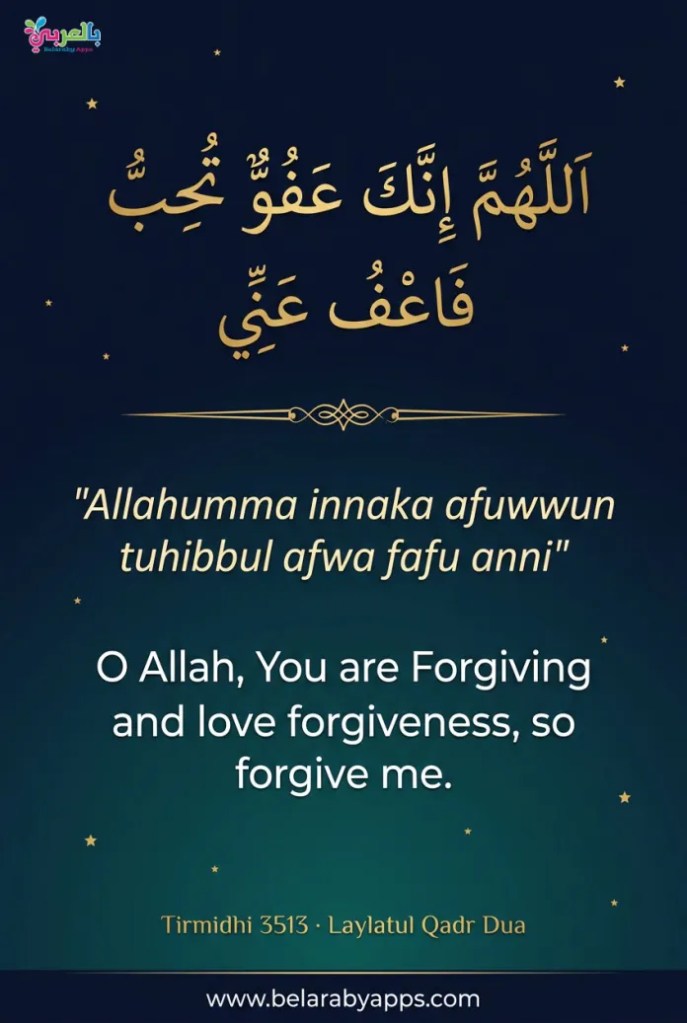
Meaning– O Allah, You are Most Forgiving and You love to forgive, so forgive me.
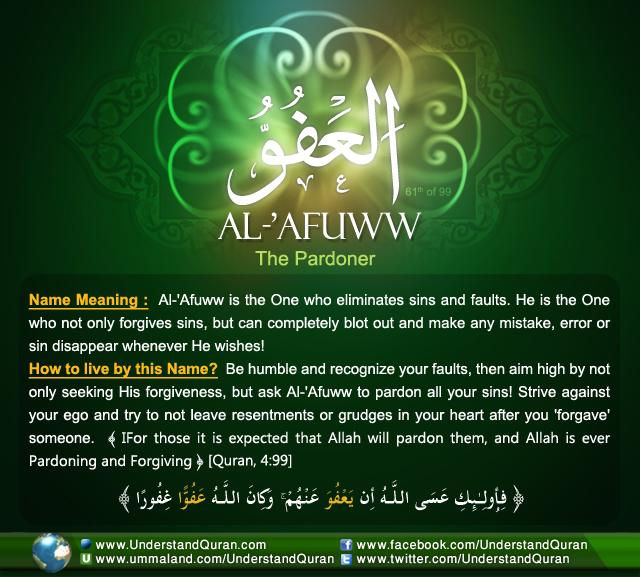
Arabic Root: From the root ayn-fa-waw (ع ف و), which has the following classical Arabic connotations: to forgive, pardon, to pass over, forgo, absolve, to obliterate all traces, efface, remove, to kill-off, allow to die, to turn away from punishing, not see, annul, to make unapparent, imperceptible, to give spontaneously, to give without constraint, to give more than what is due.
This name compared to other names of forgiveness: Allah سُبْحَٰنَهُۥ وَتَعَٰلَىٰ loves to forgive His servants. We can see from the previous attributes that much has been said about His forgiveness. He is At-Tawwab (The Ever-Relenting), Ar-Rahman (The Beneficent), Ar-Raheem (The Merciful), Al-Ghaffar (The Forgiver), and Al-Gafoor (The Great Forgiver).Now, we expand to this list by adding another name, Al-Afuw, The Effacer of Sins. He is the one who erases all traces of sin. Forgiveness implies concealment, but the mark of sin still exists on the servant’s record. Al-Afuww suggests much more than just forgiving but eliminating it entirely. The view of scholars is the prior names are names of maghfirah (seeking forgiveness) which is different from seeking afw. For example, maghfirah is like forgiving but not forgetting. ‘afw is purification, being reborn, and having a clean slate.
As a name of Allah سُبْحَٰنَهُۥ وَتَعَٰلَىٰ, Al-Afuw is mentioned for a total of five times in the Qur’an.
in tubdoo khairann aw tukhfoohu aw ta’foo ‘an sooo’in fa innal laaha kaana ‘afuwwan Qadeeraa
ABUL ALA MAUDUDI TRANSLATION: “(Even though you have the right to speak evil if you are wronged), if you keep doing good -whether openly or secretly -or at least pardon the evil (then that is the attribute of Allah). Allah is All-Pardoning and He has all the power to chastise.”— (Qur’an 4:149)
Zaalika wa man ‘aaqaba bimisli maa ‘ooqiba bihee summa bughiya ‘alaihi la yansurannahul laah; innal laaha la ‘Afuwwun Ghafoor
English Translation: “That [is so]. And whoever responds [to injustice] with the equivalent of that with which he was harmed and then is tyrannized – Allah will surely aid him. Indeed, Allah is Pardoning and Forgiving.”— (Qur’an 22:60)
#Duah, #prayer, Last 10 Nights of #Ramadan; AL Afuw – the Effacer of Sins (erases all traces of sin); #Forgiveness; #Repentance;







 bismillahschool.net