Category Archives: Religion

Islam. Comparative Religion

When Women became Muslim- Testimony

60:12 O Prophet, when the believing women come to you pledging to you translate in arabic

» tafsir Tafheem-ul-Quran ,Maududi

ياأيها النبي إذا جاءك المؤمنات يبايعنك على أن لا يشركن بالله شيئا ولا يسرقن ولا يزنين ولا يقتلن أولادهن ولا يأتين ببهتان يفترينه بين أيديهن وأرجلهن ولا يعصينك في معروف فبايعهن واستغفر لهن الله إن الله غفور رحيم سورة: الممتحنة – آية: ( 12 )  – جزء: ( 28 )  –  صفحة: ( 551 )

Almuntakhab Fi Tafsir Alquran Alkarim


Tafseer Tafheem-ul-Quran by Syed Abu-al-A’la Maududi

O Prophet, when the believing women come to you pledging to you meaning

Rights of Parents in Islam

Abu Huraira reported: A man asked the Messenger of Allah, peace and blessings be upon him, “Who is most deserving of my good company?” The Prophet said, “Your mother.” The man asked, “Then who?” The Prophet said “Your mother.” The man asked again, “Then who?” The Prophet said, “Your mother.” The man asked again, “Then who?” The Prophet said, “Your father.”

Source: Ṣaḥīḥ al-Bukhārī 5971, Ṣaḥīḥ Muslim 2548

Grade: Muttafaqun Alayhi (authenticity agreed upon) according to Al-Bukhari and Muslim


وَاعْبُدُوا اللَّهَ وَلَا تُشْرِكُوا بِهِ شَيْئًا ۖ وَبِالْوَالِدَيْنِ إِحْسَانًا

Surat al-Nisa’ 4:36

And Allah said:

وَقَضَىٰ رَبُّكَ أَلَّا تَعْبُدُوٓا۟ إِلَّآ إِيَّاهُ وَبِٱلْوَٰلِدَيْنِ إِحْسَـٰنًا إِمَّا يَبْلُغَنَّ عِندَكَ ٱلْكِبَرَ أَحَدُهُمَآ أَوْ كِلَاهُمَا فَلَا تَقُل لَّهُمَآ أُفٍّۢ وَلَا تَنْهَرْهُمَا وَقُل لَّهُمَا قَوْلًۭا كَرِيمًۭا

Allah said:

Surat Luqman 31:14-15

Shaykh al-Islam Ibn Taymiyyah writes:

#Parents, #Rights, #Responsibilities, #Islam; #Kids; #Marriage;

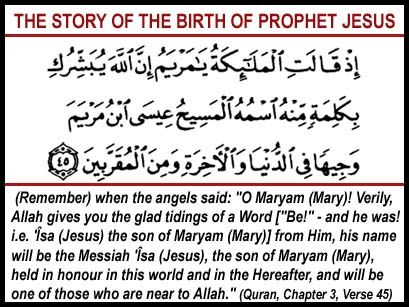
Jesus in Quran Kareem – some Verses

Quran Verses – Moses and Jesus (aleihis Salam)

Qur’an Verses Translation – Prophets -Moses and Jesus

154. And We raised the Mount above them in accordance with their covenant, and We said to them, “Enter the gate humbly”, and We said to them, “Do not violate the Sabbath”, and We received from them a solemn pledge.

159. There is none from the People of the Scripture but will believe in him before his death, and on the Day of Resurrection he will be a witness against them.

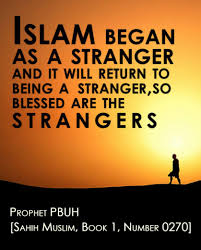
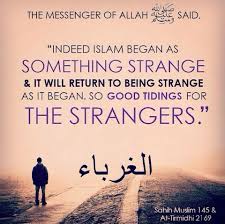
Believer is like a Stranger

Surah Hashr – End and surah Ala Recitation

Death in Islam – Angels take the Soul

In the name of God, the Gracious, the Merciful.

Allāh says:

اللَّهُ يَتَوَفَّى الْأَنفُسَ حِينَ مَوْتِهَا وَالَّتِي لَمْ تَمُتْ فِي مَنَامِهَا ۖ فَيُمْسِكُ الَّتِي قَضَىٰ عَلَيْهَا الْمَوْتَ وَيُرْسِلُ الْأُخْرَىٰ إِلَىٰ أَجَلٍ مُّسَمًّى ۚ إِنَّ فِي ذَٰلِكَ لَآيَاتٍ لِّقَوْمٍ يَتَفَكَّرُونَ ‎

Narrated by Al-Suddī concerning the saying of the Most High:

وَالَّتِي لَمْ تَمُتْ فِي مَنَامِهَاۖ

‘And those that do not die, [He takes] during their sleep,’

He [al-Suddī] said: ‘Their souls are taken in their sleep such that the souls of the living meet the souls of those who have passed away. They reminisce and remind one another [of events that have transpired].’

He said; ‘The souls of the living then return to their bodies so that they may fulfil the remainder of their lives in this dunyā. While the souls of the dead desire to return to their [abandoned bodies] except that they are blocked from doing so.’

[Imām Ibn al-Qayyim said:] This is one of the two opinions concerning this verse. It is that the soul that is prevented [from returning to the body] belongs only to those whose souls have been taken from [their bodies] due to death. While the souls that are returned are those that leave their bodies while asleep [such that they awaken in this dunyà]. Therefore, according to this opinion, its meaning is that the souls of the dead are taken [by the angel of death] and held, unable to return to their physical bodies before the Day of Judgement. The souls of those in slumber are also taken but are returned to their bodies such that the rest of their lives are fulfilled [i.e., their preappointed number of years in this dunyà is completed, at which point] their souls are taken again [for the final time, and they die].

The second opinion regarding this verse is that both types of soul, the ones that are held [from returning to their bodies] and those that are returned, are taken similar to one who enters sleep [i.e. expecting to return]. However, those among them whose lives in this dunyā have been completed are then held, disallowed to return to their bodies [such that they die in their sleep]. While those whose lives have not been fulfilled [i.e., they still have time left in this dunyà], their souls are returned to their bodies such that they are able to complete their course. This [opinion] is the stance of Shaykh al-Islām (Ibn Taymiyyah) [may Allāh have mercy on him and purify his soul], He said: ‘The Qurʾān and the Sunnah testify to this.’ He [also] said: ‘Indeed, the Exalted mentions His taking of the souls of those that He has decreed death upon from among the souls that have been taken in sleep [i.e. in His saying:

فَيُمْسِكُ الَّتِي قَضَىٰ عَلَيْهَا الْمَوْتَ
‘Then He keeps those for which He has decreed death’

referring to those that die in their sleep]. As for the ones whose souls have been taken due to their time of death [while wakeful], they have not been described here, rather they are a separate third party.’1

[Imām Ibn al-Qayyim said:] However, the correct opinion is the first one. This is because the Exalted relates two times that souls are taken: the major taking of the soul at death, and the minor taking of the soul during sleep.

Hence, He has divided the souls into two parties:

  1. A party upon whom death has been decreed and thus [their souls] have been held with Him, taken from their bodies in finality.
  2. Another party whose course of life remains, such that their souls are returned to their bodies to fulfil it.

1. Every Soul Shall Taste Death

Here, Allah reminds us that we all, collectively as a human race, have a shared destiny with death – none can escape it. What remains for us to do, then, is to ensure we are truly living lives worthy of worshipping and loving Allah. We musn’t fall into the trap of believing this temporal world is worth risking our relationship with Allah.

2. Allah Will Never Delay A Soul When Its Time Has Come

“And spend [in the way of Allah ] from what We have provided you before death approaches one of you and he says, ‘My Lord, if only You would delay me for a brief term so I would give charity and be among the righteous’. But never will Allah delay a soul when its time has come. And Allah is Acquainted with what you do.” (Quran, 63:10-11)

The Quran reminds us time and time again to never take this life for granted – and to never overestimate how long we have on this earth. We must continously strive towards becoming better Muslims, lest we regret it when it is too late.

3. No Soul Perceives In What Land It Will Die

“Indeed, Allah [alone] has knowledge of the Hour and sends down the rain and knows what is in the wombs. And no soul perceives what it will earn tomorrow, and no soul perceives in what land it will die. Indeed, Allah is Knowing and Acquainted.” (Quran, 31:34)

To truly understand tawheed, the Oneness of Allah, will be a lifelong journey – and this verse is a powerful reminder of how much at mercy we are with Allah. None of us can know when our time with death has come, and we must truly believe, accept, and embrace whatever Allah has Planned for us.

4. When Their Specifed Time Has Come, They Cannot Delay It For A Single Hour

Here again, we are reminded of our fate with death – none of us can change it. As much as we like to believe we are in control of our lives – even our health, we must submit to Allah’s Will at all times and accept death as a blessing and a preordained end to our life here on earth.

5. Oh Soul At Rest, Return To Your Lord

“O soul that are at rest! Return to your Lord, well-pleased (with him), well-pleasing (Him), So enter among My servants, And enter into My garden.” (Quran, 89:27-30)

Finally, despite our innate fears around death, we must be assured that to embrace death is perhaps the only true comfort we have in this world – we are finally returing to Allah and inshallah, will be blessed with His Glad-Tidings. All we can do is pray for the strength to welcome our death as the last of Allah’s blessings here on earth.

1. What is death like to believers?

“The gift to a believer is death.” (Al-Tirmidhi, Hadith 1609)

Advertise on TMV

2. The mercy of Allah even at the time of death

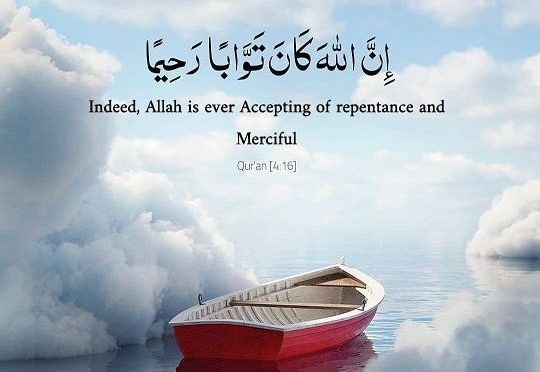
“Allah accepts the repentance of the servant so long as his spirit has not arrived at his throat.”  (Al-Tirmidhi)

3. The death of one who seeks knowledge

“When death comes to the seeker of knowledge whilst he is in that state [of seeking knowledge], he dies as a martyr.” (al-Targhib wa al-Tarhib, v. 1, p. 97, no. 16)

4. The remembrance of death

“The most sagacious one from among you is he who remembers death the most, and the most prudent one from among you is he who is the most prepared for it. – (Alam al-Din, no. 333)

5. What is the destination after death?

“Do not abuse the dead, for they have reached the result of what they have done.” – (Sahih Bukhari)

6. Things that last beyond death

“When a man dies, his good deeds come to an end, except three: Ongoing charity, beneficial knowledge, and a righteous son who will pray for him.” – (Sahih Muslim, 3084)

7. What can save me from an evil death?

“Indeed charity extinguishes the Lord’s anger and protects against the evil death.” – (At-Tirmidhi, 664)

8. Death is an end to comfort

“Remember often the destroyer of all pleasures.” – (At-Tirmidhi)

Death will come for us all, let’s attempt to be ready when it does.

#Death, #Islam #Quran #Verses #Hadeeth (sayings of Prophet Muhammad – sal Alllahu alayhi wa Sallam)

Word for God in Bible and Qur’an Kareem

Word for God in Bible and Qur’an

In Aramaic, the language spoken by Jesus, the word for God is Elah (or Alaha in Syriac, a later form of Aramaic). These words are related to the Hebrew word “Elohim” and the Arabic word “Allah,” all stemming from a root meaning “god” or “divine”.
Here’s a more detailed explanation:

Elah (ܐܠܗ):
This is the Aramaic word for God, used in the Old Testament in books like Daniel and Ezra.
Alaha (ܐܲܠܵܗܵܐ):
This is the Syriac form of the word, also meaning “God”.
Elohim (אֱלֹהִים):
This is the Hebrew word for God, often used in the plural form but also sometimes referring to a single deity.

Allah (الله):
This is the Arabic word for God, and it is closely related to the Aramaic and Hebrew terms.
While “Allah” is the common term for God in Islam, the word itself has roots in Aramaic and Hebrew, and is used by Arabic-speaking Christians and Jews as well. Therefore, while Jesus did not use the word “Allah,” the Aramaic word he used, Elah/Alaha, shares a common root with the Arabic word.

Just for mention – the word Bible – comes from the Greek Word Biblos – meaning Book – as the Testaments were written Stories of what some scholars think happened in the past – more like history books from different perspectives – that’s why they have some truth and lots of falsehood because they are Not the Original Revelation left from Moses (Torah), Psalms of David (Zabur) or Gospel (Preaching of Jesus) – only Quran Kareem is the only unchanged Word of God today;

Word for #God #Bible #Quran #Languages

25 Prophets in Quran Kareem

إِنَّا أَوْحَيْنَا إِلَيْكَ كَمَا أَوْحَيْنَا إِلَى نُوحٍ وَالنَّبِيِّينَ مِنْ بَعْدِهِ وَأَوْحَيْنَا إِلَى إِبْرَاهِيمَ وَإِسْمَاعِيلَ وَإِسْحَاقَ وَيَعْقُوبَ وَالْأَسْبَاطِ وَعِيسَى وَأَيُّوبَ وَيُونُسَ وَهَارُونَ وَسُلَيْمَانَ وَآَتَيْنَا دَاوُودَ زَبُورًا . وَرُسُلًا قَدْ قَصَصْنَاهُمْ عَلَيْكَ مِنْ قَبْلُ وَرُسُلًا لَمْ نَقْصُصْهُمْ عَلَيْكَ وَكَلَّمَ اللَّهُ مُوسَى تَكْلِيمًا

Allah Almighty also says in surah Fatir, ayah 24

إِنَّا أَرْسَلْنَاكَ بِالْحَقِّ بَشِيراً وَنَذِيراً وَإِنْ مِنْ أُمَّةٍ إِلَّا خَلا فِيهَا نَذِيرٌ

وَلَقَدْ بَعَثْنَا فِي كُلِّ أُمَّةٍ رَسُولًا أَنِ اعْبُدُوا اللَّهَ وَاجْتَنِبُوا الطَّاغُوتَ

Number of Prophets

عن أبي ذر قال : قلت :  يَا رَسُولَ اللَّهِ كَمِ الْأَنْبِيَاءُ ؟  قَالَ: ( مِائَةُ أَلْفٍ وَعِشْرُونَ أَلْفًا)، قُلْتُ :يَا رَسُولَ اللَّهِ كَمِ الرُّسُلُ مِنْ ذَلِكَ؟ قَالَ : (ثَلَاثُ مِائَةٍ وَثَلَاثَةَ عَشَرَ جَمًّا غَفِيرًا)، قَالَ قُلْتُ : يَا  رَسُولَ اللَّهِ مَنْ كَانَ أَوَّلُهُمْ ؟ قَالَ : (آدَمُ …. ) رواه ابن حبان 361

Ar-Rasul and An-Nabi   الرسول والنبي

Sun Prostrates under the Arsh/ Throne of Allah(swa)

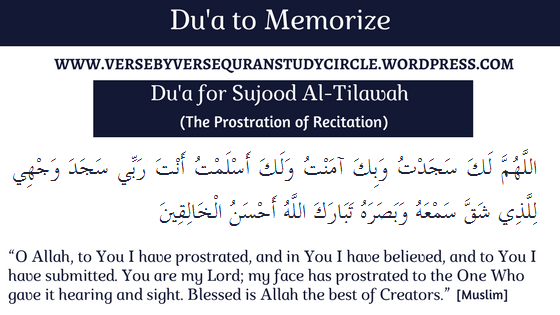
SUN PROSTRATES UNDER ALLAH(SWA) ARSH/ THRONE – Hadith; Narrated Abu Dhar: The Prophet (ﷺ) asked me at sunset, “Do you know where the sun goes (at the time of sunset)?” I replied, “Allah and His Apostle know better.” He said, “It goes (i.e. travels) till it prostrates Itself underneath the Throne and takes the permission to rise again, and it is permitted and then (a time will come when) it will be about to prostrate itself but its prostration will not be accepted, and it will ask permission to go on its course but it will not be permitted, but it will be ordered to return whence it has come and so it will rise in the west. And that is the interpretation of the Statement of Allah: “And the sun Runs its fixed course For a term (decreed). that is The Decree of (Allah) The Exalted in Might, The All- Knowing.” (36.38) – Sahih al-Bukhari 3199 Hadith on Signs: