
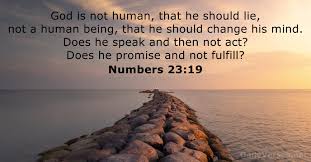
Numbers 23 – Balak asked him, “What did the Lord say?” 18 Then he spoke his message:
“Arise, Balak, and listen;
hear me, son of Zippor.
19 God is not human, that he should lie,
not a human being, that he should change his mind.
Does he speak and then not act?
Does he promise and not fulfill?
20 I have received a command to bless;
he has blessed, and I cannot change it.
The term “Son of God” in Hebrew and Aramaic reflects a range of meanings from “divine being” or “angel” in early texts to “messiah” or “righteous person” in later periods. The phrase is often linked to the concept of a servant (ebed) in some, particularly non-traditional, analyses.
1. HEBREW
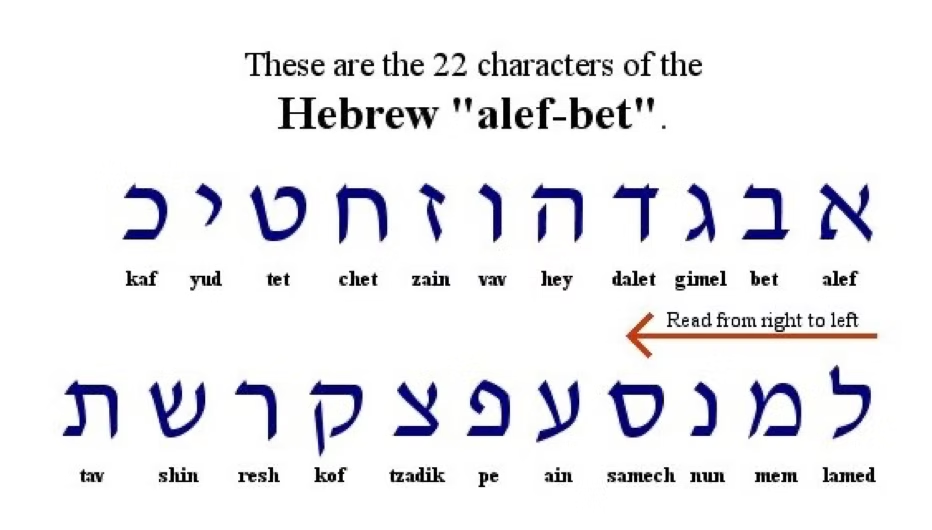
- Benei Elohim (בְּנֵי־הָאֱלֹהִים): Literally “sons of the gods” or “sons of God,” this phrase is used in the Hebrew Bible (e.g., Genesis 6:2, Job 1:6) to refer to supernatural beings, angels, or members of the divine council.
- Genesis 6:2
- 1 And it came to pass, when men began to multiply on the face of the earth, and daughters were born unto them,
ב וַיִּרְאוּ בְנֵי-הָאֱלֹהִים אֶת-בְּנוֹת הָאָדָם, כִּי טֹבֹת הֵנָּה; וַיִּקְחוּ לָהֶם נָשִׁים, מִכֹּל אֲשֶׁר בָּחָרוּ.
2 that the sons of God saw the daughters of men that they were fair; and they took them wives, whomsoever they chose. - Westminster Leningrad Codex
- וַיִּרְא֤וּ בְנֵי־הָֽאֱלֹהִים֙ אֶת־בְּנֹ֣ות הָֽאָדָ֔ם כִּ֥י טֹבֹ֖ת הֵ֑נָּה וַיִּקְח֤וּ לָהֶם֙ נָשִׁ֔ים מִכֹּ֖ל אֲשֶׁ֥ר בָּחָֽרוּ׃
- Ben Elohim (בן אלוהים): A singular, less common form, often representing a direct creation, a king, or a highly righteous person.
- Ben HaElohim (בן האלוהים): Used for “son of God” (with the definite article), often translated in contexts referencing the Messiah or special divine association.
- Context: In Hebrew, the phrase rarely refers to physical descent from God, but rather to a position of special relationship or status.
2. ARAMAIC
- Bar Elahin (בַר אֱלָהִֽין): Found in Daniel 3:25, this phrase translates to “son of gods” or “a son of the gods”. Those were in reference to the Believers who were put into a Fire at the order of the KIng Nebuchannezar – but came out unharmed by the order of the Lord/God;
- Bera (ברא): Used in Aramaic as a word for “son,” often with connotations of being part of a larger entity (like a castle formed from sand, to use an analogy).
- Bar Elaha (בר-אלהא): A form used for “Son of God” in Aramaic dialects, particularly in later traditions, signifying a high spiritual standing.
- Bar Nasha (בַּר נָשָׁא): While commonly translated as “Son of Man,” this phrase appears frequently in Aramaic, referring to a human being, with strong messianic connotations in the Gospels.
3. Ebed (עֶבֶד – Servant/Slave of God)
- Definition: Ebed is a Hebrew word meaning “servant,” “slave,” or “subject”.
- Context: In some analysis of the New Testament’s Greek, the word pais (child/son) may be a translation of the Hebrew ebed (servant).
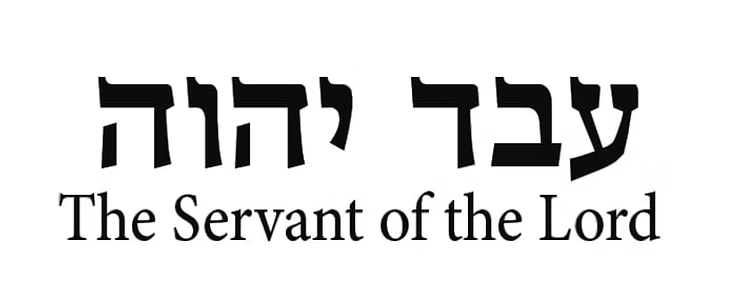
- “Servant of God” (Ebed Yahweh/Elohim): The phrase often used for prophets or the Messiah (e.g., Isaiah 42:1), emphasizing a servant relationship rather than a direct sonship.
- The Servant of the Lord (Slave of God)
- 42 “Here is my servant(Slave) whom I uphold,
- my chosen one in whom I delight;
- I will put my Spirit on him,
- and he will bring justice to the nations.
- הֵ֤ן עַבְדִּי֙ אֶתְמָךְ־בֹּ֔ו בְּחִירִ֖י רָצְתָ֣ה נַפְשִׁ֑י נָתַ֤תִּי רוּחִי֙ עָלָ֔יו מִשְׁפָּ֖ט לַגֹּויִ֥ם יֹוצִֽיא׃
| ן hên | Behold | Interjection | |
| 5650 [e] | עַבְדִּי֙ ‘aḇ-dî | My Servant/Slave | N-msc | 1cs |
| 8551 [e] | אֶתְמָךְ־ ’eṯ-māḵ- | whom I uphold | V-Qal-Imperf-1cs |
- Relationship to “Son”: The Theological Dictionary of the New Testament suggests that when Jesus is called “servant of God” in early traditions (e.g., Acts 3:13, 3:26), it reflects this “servant” (ebed) connotation rather than “son” (ben).
Acts 3:13 –13 The God of Abraham, Isaac and Jacob, the God of our fathers, has glorified his servant Jesus. You handed him over to be killed, and you disowned him before Pilate, though he had decided to let him go.
Acts 3:13 SBL Greek New Testament 2010
ὁ θεὸς Ἀβραὰμ καὶ Ἰσαὰκ καὶ Ἰακώβ, ὁ θεὸς τῶν πατέρων ἡμῶν, ἐδόξασεν τὸν παῖδα αὐτοῦ Ἰησοῦν, ὃν ὑμεῖς μὲν παρεδώκατε καὶ ἠρνήσασθε κατὰ πρόσωπον Πιλάτου, κρίναντος ἐκείνου ἀπολύειν·

Acts 3:13 in Hebrew (Delitzsch NT or modern Hebrew translations) – emphasizes the continuity of the God of Israel with the messianic mission of Jesus. It connects the “God of Abraham, Isaac, and Jacob” with the glorification of his “servant” (eved) Yeshua, whom the crowd rejected before Pilate.
Here is the Hebrew translation (Delitzsch):
אֱלֹהֵי אַבְרָהָם וְיִצְחָק וְיַעֲקֹב, אֱלֹהֵי אֲבוֹתֵינוּ, כִּבֵּד אֶת־עַבְדּוֹ יֵשׁוּעַ, אֲשֶׁר אַתֶּם מְסַרְתֶּם וְכִחַשְׁתֶּם בּוֹ לִפְנֵי פִילָטוֹס, בְּשׁוּרוֹ לְשַׁלְּח
DANIEL 3: The Image of Gold and the Blazing Furnace
Note: here son or “son” of God – meant Worshipper/Slave of God; as they were ready to Die for the Lord;
4 Then the herald loudly proclaimed, “Nations and peoples of every language, this is what you are commanded to do: 5 As soon as you hear the sound of the horn, flute, zither, lyre, harp, pipe and all kinds of music, you must fall down and worship the image of gold that King Nebuchadnezzar has set up. 6 Whoever does not fall down and worship will immediately be thrown into a blazing furnace.”
Furious with rage, Nebuchadnezzar summoned Shadrach, Meshach and Abednego. So these men were brought before the king, 14 and Nebuchadnezzar said to them, “Is it true, Shadrach, Meshach and Abednego, that you do not serve my gods or worship the image of gold I have set up? 15 Now when you hear the sound of the horn, flute, zither, lyre, harp, pipe and all kinds of music, if you are ready to fall down and worship the image I made, very good. But if you do not worship it, you will be thrown immediately into a blazing furnace. Then what god will be able to rescue you from my hand?”
16 Shadrach, Meshach and Abednego replied to him, “King Nebuchadnezzar, we do not need to defend ourselves before you in this matter. 17 If we are thrown into the blazing furnace, the God we serve is able to deliver us from it, and he will deliver us[c] from Your Majesty’s hand. 18 But even if he does not, we want you to know, Your Majesty, that we will not serve your gods or worship the image of gold you have set up.”
19 Then Nebuchadnezzar was furious with Shadrach, Meshach and Abednego, and his attitude toward them changed. He ordered the furnace heated seven times hotter than usual 20 and commanded some of the strongest soldiers in his army to tie up Shadrach, Meshach and Abednego and throw them into the blazing furnace. 21 So these men, wearing their robes, trousers, turbans and other clothes, were bound and thrown into the blazing furnace. 22 The king’s command was so urgent and the furnace so hot that the flames of the fire killed the soldiers who took up Shadrach, Meshach and Abednego, 23 and these three men, firmly tied, fell into the blazing furnace.
24 Then King Nebuchadnezzar leaped to his feet in amazement and asked his advisers, “Weren’t there three men that we tied up and threw into the fire?”
They replied, “Certainly, Your Majesty.”
25 He said, “Look! I see four men walking around in the fire, unbound and unharmed, and the fourth looks like a son of the gods.”
26 Nebuchadnezzar then approached the opening of the blazing furnace and shouted, “Shadrach, Meshach and Abednego, servants of the Most High God, come out! Come here!”
So Shadrach, Meshach and Abednego came out of the fire, 27 and the satraps, prefects, governors and royal advisers crowded around them. They saw that the fire had not harmed their bodies, nor was a hair of their heads singed; their robes were not scorched, and there was no smell of fire on them.
God; #Bible; #monotheism; #Jesus- Slave of God (Ebed); #Islam;
 bismillahschool.net