English is a very welcoming language in the sense that it incorporates terms from many other languages from all over the world. And, as it couldn’t be otherwise, Native American languages have lent many of their words and terms to English speakers. Some traveled through Spanish or French before settling into English, and others arrived directly through early contact and trade, helping shape the way we speak today. Did you know about these 11 terms?
1 – CANOE
Image: Michael Niessl
The word “canoe” comes from the Taino term canoa, which was first used by Caribbean islanders long before Europeans arrived. Early explorers adopted it to describe the slim, sturdy boats they saw.
Over time, “canoe” became the standard English word for a small paddled craft. Today it still carries that sense of simplicity and closeness to nature.
CANOE-The word “canoe” comes from the Taino term canoa, which was first used by Caribbean islanders long before Europeans arrived. Early explorers adopted it to describe the slim, sturdy boats they saw.
BARBECUE – comes from barbacoa, another Taino term for a wooden frame used for cooking meat over fire.
SKUNK – “Skunk” comes from the Algonquian word squnk, which means “urinating fox” (quite a fitting term, indeed).
MOOSE – Eastern Abenaki, a part of the Algonquian family, where it meant “he strips off bark;
RACOON – “Raccoon” comes from the Powhatan word arakun, meaning “he scratches with his hands.” (front paws);
CHIPMUNK – comes from the Ojibwe word ajidamoo, which means “one who descends trees headfirst.”
CARIBOO – comes from the Mi’kmaq term qalipu, which means “snow shoveler,”
TOTEM – “Totem” comes from the Ojibwe word ototeman, which means “kinship group.” It described symbols representing clans and shared roots.
COYOTE – “Coyote” comes from the Nahuatl word coyōtl, which was used by Indigenous tribes of central Mexico. Spanish speakers adopted it, and English borrowed later.
AVOCADO – traces to the Nahuatl word ahacatl, which refers to the fruit and to a body part as well.
CHOCOLATE – The last Nahuatl word and also the last word on the list comes from the term xocolātl, which describes a bitter cacao drink that was consumed long before Europeans arrived in America. The name traveled from Spanish to English.
Numbers 23 – Balak asked him, “What did the Lord say?” 18 Then he spoke his message:
“Arise, Balak, and listen; hear me, son of Zippor. 19 God is not human, that he should lie, not a human being, that he should change his mind. Does he speak and then not act? Does he promise and not fulfill? 20 I have received a command to bless; he has blessed, and I cannot change it.
The term “Son of God” in Hebrew and Aramaic reflects a range of meanings from “divine being” or “angel” in early texts to “messiah” or “righteous person” in later periods. The phrase is often linked to the concept of a servant (ebed) in some, particularly non-traditional, analyses.
1. HEBREW
Benei Elohim (בְּנֵי־הָאֱלֹהִים): Literally “sons of the gods” or “sons of God,” this phrase is used in the Hebrew Bible (e.g., Genesis 6:2, Job 1:6) to refer to supernatural beings, angels, or members of the divine council.
Genesis 6:2
1 And it came to pass, when men began to multiply on the face of the earth, and daughters were born unto them, ב וַיִּרְאוּ בְנֵי-הָאֱלֹהִים אֶת-בְּנוֹת הָאָדָם, כִּי טֹבֹת הֵנָּה; וַיִּקְחוּ לָהֶם נָשִׁים, מִכֹּל אֲשֶׁר בָּחָרוּ. 2 that the sons of God saw the daughters of men that they were fair; and they took them wives, whomsoever they chose.
Ben Elohim (בן אלוהים): A singular, less common form, often representing a direct creation, a king, or a highly righteous person.
Ben HaElohim (בן האלוהים): Used for “son of God” (with the definite article), often translated in contexts referencing the Messiah or special divine association.
Context: In Hebrew, the phrase rarely refers to physical descent from God, but rather to a position of special relationship or status.
2. ARAMAIC
Bar Elahin (בַר אֱלָהִֽין): Found in Daniel 3:25, this phrase translates to “son of gods” or “a son of the gods”. Those were in reference to the Believers who were put into a Fire at the order of the KIng Nebuchannezar – but came out unharmed by the order of the Lord/God;
Bera (ברא): Used in Aramaic as a word for “son,” often with connotations of being part of a larger entity (like a castle formed from sand, to use an analogy).
Bar Elaha (בר-אלהא): A form used for “Son of God” in Aramaic dialects, particularly in later traditions, signifying a high spiritual standing.
Bar Nasha (בַּר נָשָׁא): While commonly translated as “Son of Man,” this phrase appears frequently in Aramaic, referring to a human being, with strong messianic connotations in the Gospels.
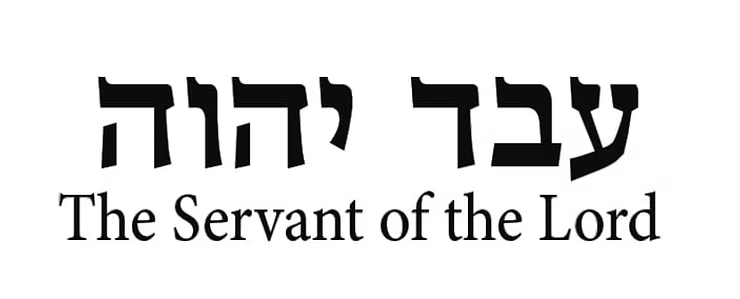
3. Ebed (עֶבֶד – Servant/Slave of God)
Definition:Ebed is a Hebrew word meaning “servant,” “slave,” or “subject”.
Context: In some analysis of the New Testament’s Greek, the word pais (child/son) may be a translation of the Hebrew ebed (servant).
“Servant of God” (Ebed Yahweh/Elohim): The phrase often used for prophets or the Messiah (e.g., Isaiah 42:1), emphasizing a servant relationship rather than a direct sonship.
Relationship to “Son”: The Theological Dictionary of the New Testament suggests that when Jesus is called “servant of God” in early traditions (e.g., Acts 3:13, 3:26), it reflects this “servant” (ebed) connotation rather than “son” (ben).
Acts 3:13 –13The God of Abraham, Isaac and Jacob, the God of our fathers, has glorified his servant Jesus. You handed him over to be killed, and you disowned him before Pilate, though he had decided to let him go.
Acts 3:13 in Hebrew (Delitzsch NT or modern Hebrew translations) – emphasizes the continuity of the God of Israel with the messianic mission of Jesus. It connects the “God of Abraham, Isaac, and Jacob” with the glorification of his “servant” (eved) Yeshua, whom the crowd rejected before Pilate.
Here is the Hebrew translation (Delitzsch): אֱלֹהֵי אַבְרָהָם וְיִצְחָק וְיַעֲקֹב, אֱלֹהֵי אֲבוֹתֵינוּ, כִּבֵּד אֶת־עַבְדּוֹ יֵשׁוּעַ, אֲשֶׁר אַתֶּם מְסַרְתֶּם וְכִחַשְׁתֶּם בּוֹ לִפְנֵי פִילָטוֹס, בְּשׁוּרוֹ לְשַׁלְּח
DANIEL 3: The Image of Gold and the Blazing Furnace
Note: here son or “son” of God – meant Worshipper/Slave of God; as they were ready to Die for the Lord;
4 Then the herald loudly proclaimed, “Nations and peoples of every language, this is what you are commanded to do: 5 As soon as you hear the sound of the horn, flute, zither, lyre, harp, pipe and all kinds of music, you must fall down and worship the image of gold that King Nebuchadnezzar has set up. 6Whoever does not fall down and worship will immediately be thrown into a blazing furnace.”
Furious with rage, Nebuchadnezzar summoned Shadrach, Meshach and Abednego. So these men were brought before the king, 14 and Nebuchadnezzar said to them, “Is it true, Shadrach, Meshach and Abednego, that you do not serve my gods or worship the image of gold I have set up? 15 Now when you hear the sound of the horn, flute, zither, lyre, harp, pipe and all kinds of music, if you are ready to fall down and worship the image I made, very good. But if you do not worship it, you will be thrown immediately into a blazing furnace. Then what god will be able to rescue you from my hand?”
16 Shadrach, Meshach and Abednego replied to him, “King Nebuchadnezzar, we do not need to defend ourselves before you in this matter. 17 If we are thrown into the blazing furnace, the God we serve is able to deliver us from it, and he will deliver us[c] from Your Majesty’s hand. 18But even if he does not, we want you to know, Your Majesty, that we will not serve your gods or worship the image of gold you have set up.”
19 Then Nebuchadnezzar was furious with Shadrach, Meshach and Abednego, and his attitude toward them changed. He ordered the furnace heated seven times hotter than usual 20 and commanded some of the strongest soldiers in his army to tie up Shadrach, Meshach and Abednego and throw them into the blazing furnace. 21 So these men, wearing their robes, trousers, turbans and other clothes, were bound and thrown into the blazing furnace. 22 The king’s command was so urgent and the furnace so hot that the flames of the fire killed the soldiers who took up Shadrach, Meshach and Abednego, 23 and these three men, firmly tied, fell into the blazing furnace.
24 Then King Nebuchadnezzar leaped to his feet in amazement and asked his advisers, “Weren’t there three men that we tied up and threw into the fire?”
They replied, “Certainly, Your Majesty.”
25 He said, “Look! I see four men walking around in the fire, unbound and unharmed, and the fourth looks like a son of the gods.”
26 Nebuchadnezzar then approached the opening of the blazing furnace and shouted, “Shadrach, Meshach and Abednego, servants of the Most High God, come out! Come here!”
So Shadrach, Meshach and Abednego came out of the fire, 27 and the satraps, prefects, governors and royal advisers crowded around them. They saw that the fire had not harmed their bodies, nor was a hair of their heads singed; their robes were not scorched, and there was no smell of fire on them.
God; #Bible; #monotheism; #Jesus- Slave/ Servant of God (Ebed); #Islam;
In the Irish language, instead of saying “I miss you” we say “braithim uaim thú” which literally means I feel you away from me. (eg. You took a part of Me – with your Leaving);
In the Irish language, instead of saying “I miss you” we say “braithim uaim thú” which literally means I feel you away from me.
1. Mo Anam Cara (Mu On-um Kara)
This short phrase isn’t perfect Irish, but it builds on the idea of an Anam Cara, a “soul friend” and roughly translates as “My Soul Mate” or “My Soul Friend.”
The ancient Celts believed in a soul that radiated about the body. When two individuals formed a deep bond, they believed their souls would mingle and each person could be said to have found their Anam cara, or “soul friend.” It is this beautiful phrase that inspired our Mo Anam Cara jewelry and is a popular choice for engravings too!
2. A chuisle mo chroí (Ah Kooish-la mu kree) or Mo chuisle (Mu Kooish-la)
The literal translation of a chuisle mo chroí is “the pulse of my heart” or “my pulse.” This might be a little anatomical for some. But anyone who has felt their heart race at the sight of their loved one is sure to identify with the sentiment.
3. Grá Geal Mo Chroí (Graw gee-yal mu kree)
Translated as “shining” or “bright love of my heart” this is a beautiful phrase with a wonderful lightness that eloquently captures the wonderful warm feeling of being in love. Perhaps as a result, it pops up in several Irish love songs and ballads with records back to 1855.
4. Is tú mo ghrá (Iss too mu graw) or “Mo Ghrá thú” (muh graw hoo)
“You are my love,” or is tú mo ghrá, is probably the closest we come to saying “I love you” in Irish.
5. Grá go Deo (graw gu djo)
Translated as “love forever” or ” forever love” this phrase emphasises eternity, an important theme in Celtic culture, represented by the unbroken form of Celtic and Trinity Knots.
6. Tá mo chroí istigh ionat (Taw mu kree iss-chig un-it)
Another phrase that might be a little anatomical for some, it roughly translates as “my heart is in you.” We see this phrase as going some way toward capturing the sense of the selflessness of love. It can be used for a romantic relationship but also works equally well used as a phrase for a parents love for a child.
7. Is tú mo stóirín (Iss too mu stor-een)
This translates as “You are my (little) sweetheart”. The “-ín” at the end of Stóirín makes the word stór (sweetheart) diminutive. But rather than it being a cutesy ‘baby-speak’ it makes the term even more affectionate.
https://www.facebook.com/share/r/1CLSAceK2G/– with Staurt Mackey – In the Irish language, instead of saying “I miss you” we say “braithim uaim thú” which literally means I feel you away from me.