
Daily Archives: February 6, 2026

Homeschoolers Kit- Worksheets

This Kit is designed to help homeschooling parents teach various skills to their kids. It includes numerous worksheets to help the kids gain basic learning skills,or think creatively -spelling and Math sheets (Alphabet sheets, Spelling Practice, Numbers and Counting, Addition and Subtraction, Multiplication and Division Sheets); It would also be beneficial for the non-homeschoolers.
Please purchase this Kit- and help our team with their creative effort;
#Worksheets; #Elementary; #English, #math, #Spelling, #Addition/ Subtraction, #Multiplication/ Division;
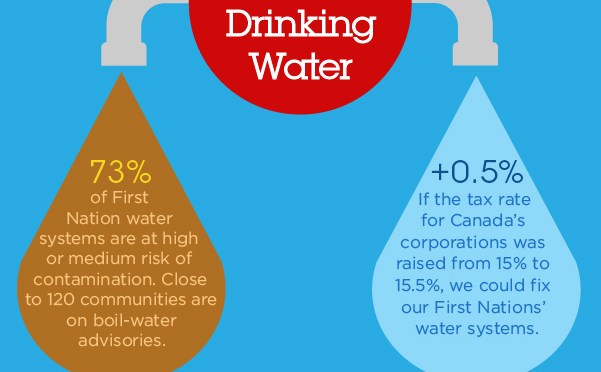
The Relationship between Water Availability and First Nations Sucide Rates
Abstract
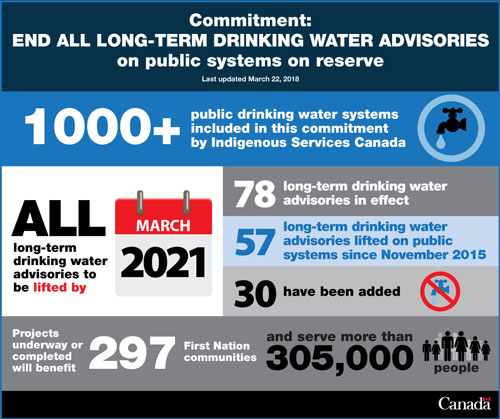
First Nations experience disproportionate rates of suicide when compared to the general population. Various risk factors are identified to increase understanding of the prevalence of suicide among First Nations, but environmental dimensions of suicide are understudied. This study asks whether water insecurity, as reflected by long-term drinking water advisories (LT-DWA), has any bearing on the distribution of suicide in First Nations across Canada, and specifically in Ontario. To assess this, we established the proportion of First Nations with LT-DWAs in Canada and in Ontario that have had suicides occur between 2011 and 2016 through a review of media archives. This proportion was compared to census data on the proportion of First Nations with suicides in Canada and in Ontario between 2011 and 2016, and statistical significance of difference was determined through chi-square goodness of fit test. Overall, the findings were mixed. Nationally, there was no significantly difference of proportion of First Nations with LT-DWAs with combined (confirmed and probable) reported suicides occurring when compared to census proportions; however, at the provincial level, findings had significant differences. The authors conclude that water insecurity in First Nations, as indicated by the presence of a LT-DWA in First Nations across may be an important environmental dimension of suicide, contributing to enhanced risk for suicide in First Nations.
Ansloos, J., & Cooper, A. (2023). Is suicide a water justice issue? Investigating long-term drinking water advisories and suicide in First Nations in Canada. International Journal of Environmental Research and Public Health, 20(5), 4045.
1. Introduction
Suicide is one of the most urgent issues facing First Nations in Canada, with suicide rates approximately three times higher compared with the general population [1]. Global incident rates across a 60-year period suggest an upward trend of suicide among Indigenous peoples [2]. For First Nations in Canada, suicide is often cited as a leading cause of death for youth [3], and the leading cause of death for adults under the age of 44 [4]. Many risk factors are identified to increase understanding of the disproportionate prevalence of suicide among First Nations, but there is an urgent need to understand environmental dimensions. This exploratory study investigates one potential environmental dimension of suicide among First Nations: water insecurity.
1.1. Suicide among First Nations in Canada
As early as 1995, the Royal Commission on Aboriginal Peoples categorized suicide risk factors for First Nations, including biopsychological factors (e.g., depression, substance use disorders), situational factors (e.g., disruptions to family life due to child welfare policies, off-reserve hospitalizations), socioeconomic factors (e.g., income levels, education levels), and cultural stressors (e.g., suppression of belief systems and spirituality, racial discrimination) [5]. Since then, a range of other demographic factors, including gender, age, and geographic location, have been found to have a significant bearing on rates of suicide among First Nations. Youth aged 15 to 24, men, and those living on reserve, are at higher risk for suicide [1]. Socioeconomic factors have also been consistently associated with high rates of suicide in First Nations [6,7,8]. Recently, household income, labour force status, education, and marital status accounted for 66% of suicide risk after adjusting for risk associated with age and sex among First Nations adults [1], demonstrating that socioeconomic factors have heavy bearing on suicide rates. However, to date, environmental dimensions of suicide among First Nations have received little research.
Qualitative studies have suggested that First Nations affected by a lack of access to safe drinking water are likely to have disproportionately high suicide rates [28] and that water insecurity may be associated with mental health issues in First Nations [36], which by extension might intersect with suicide risk. Among Indigenous peoples in Canada, more broadly, it has been found that mental health outcomes associated with suicide may be affected by climate change, and in particular changes to land, ice, snow, weather, and sense of place [37,38,39]. Related to this, research has shown that environmental changes and related damages to environmental infrastructure accompanying climate change are linked to enhanced psychosocial distress, which in turn might affect suicidality [37]. In a recent study among Inuit in Nunatsiavut, climate change enhanced the likelihood of suicidal ideation [40,41].
https://www.mdpi.com/1660-4601/20/5/4045#Findings
https://archive.org/details/ansloos-water-insecurity-suicide-May-2023

We come to be Tested in Faith – Islam
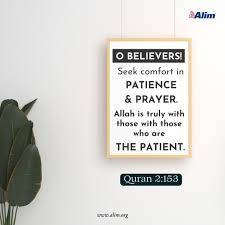
SURAH AL BAQARAH – Verses 153-157
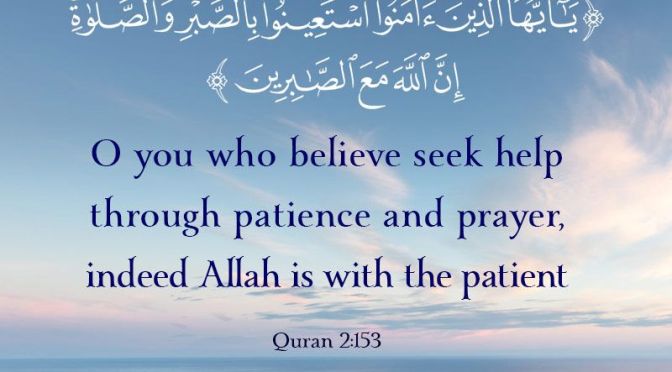
153. O you who believe! Seek help through patience and prayers. God is with the steadfast. 154. And do not say of those who are killed in the cause of God, “Dead.” Rather, they are alive, but you do not perceive.
155. We will certainly test you with some fear and hunger, and some loss of possessions and lives and crops. But give good news to the steadfast.
156. Those who, when a calamity afflicts them, say, “To God we belong, and to Him we will return.” 157. Upon these are blessings and mercy from their Lord. These are the guided ones.
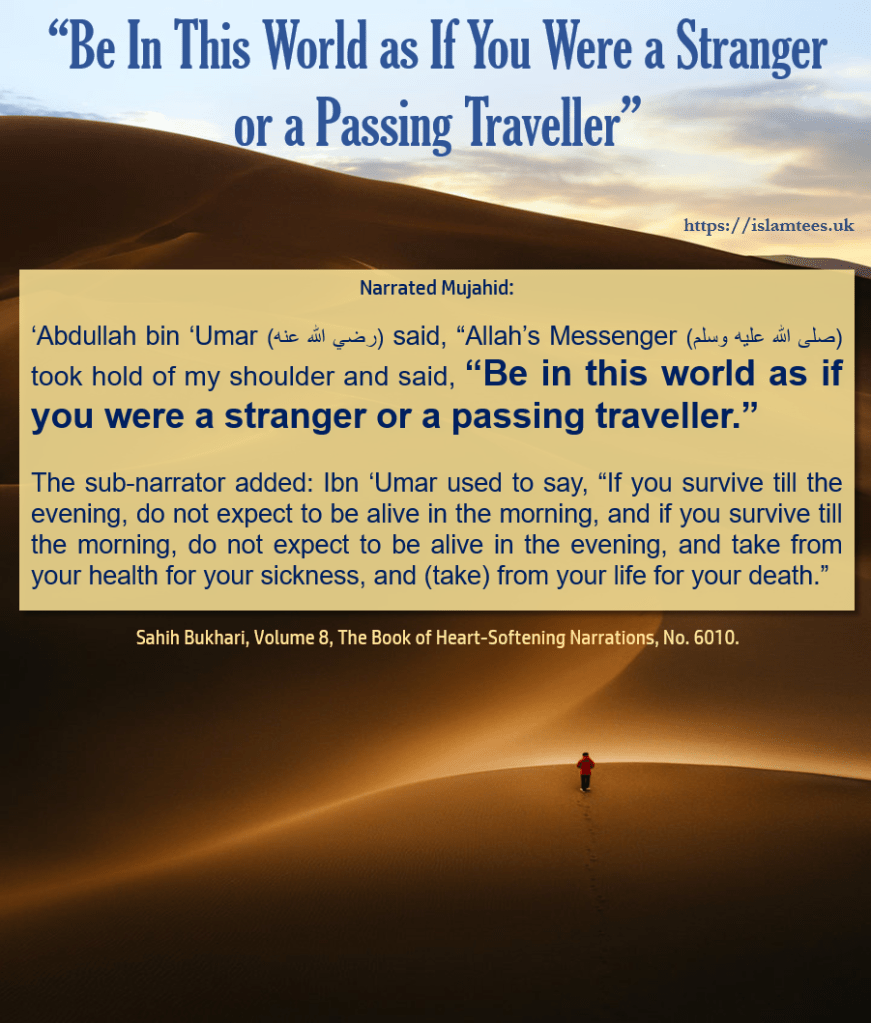
HADITH – if you survive till the evening, do not expect to be alive in the morning…
Narrated Mujahid: `Abdullah bin `Umar said, “Allah’s Messenger (ﷺ) took hold of my shoulder and said, ‘Be in this world as if you were a stranger or a traveler.” The sub-narrator added: Ibn `Umar used to say, “If you survive till the evening, do not expect to be alive in the morning, and if you survive till the morning, do not expect to be alive in the evening, and take from your health for your sickness, and (take) from your life for your death.”
حَدَّثَنَا عَلِيُّ بْنُ عَبْدِ اللَّهِ، حَدَّثَنَا مُحَمَّدُ بْنُ عَبْدِ الرَّحْمَنِ أَبُو الْمُنْذِرِ الطُّفَاوِيُّ، عَنْ سُلَيْمَانَ الأَعْمَشِ، قَالَ حَدَّثَنِي مُجَاهِدٌ، عَنْ عَبْدِ اللَّهِ بْنِ عُمَرَ ـ رضى الله عنهما ـ قَالَ أَخَذَ رَسُولُ اللَّهِ صلى الله عليه وسلم بِمَنْكِبِي فَقَالَ “ كُنْ فِي الدُّنْيَا كَأَنَّكَ غَرِيبٌ، أَوْ عَابِرُ سَبِيلٍ ”. وَكَانَ ابْنُ عُمَرَ يَقُولُ إِذَا أَمْسَيْتَ فَلاَ تَنْتَظِرِ الصَّبَاحَ، وَإِذَا أَصْبَحْتَ فَلاَ تَنْتَظِرِ الْمَسَاءَ، وَخُذْ مِنْ صِحَّتِكَ لِمَرَضِكَ، وَمِنْ حَيَاتِكَ لِمَوْتِكَ. – Sahih Bukhari 6416;
Surah Al ANKABUT- The Spider
1. Alif, Lam, Meem.
2. Have the people supposed that they will be left alone to say, “We believe,” without being put to the test?
3. We have tested those before them. God will surely know the truthful, and He will surely know the liars. 4. Or do those who commit sins think they can fool Us? Terrible is their opinion!
5. Whoever looks forward to the meeting with God—the appointed time of God is coming. He is the All-Hearing, the All-Knowing.
6. Whoever strives, strives only for himself. God is Independent of the beings.
7. Those who believe and do righteous deeds—We will remit their sins, and We will reward them according to the best of what they used to do.
8. We have advised the human being to be good to his parents. But if they urge you to associate with Me something you have no knowledge of, do not obey them. To Me is your return; and I will inform you of what you used to do.
9. Those who believe and do good works—We will admit them into the company of the righteous.
10. Among the people is he who says, “We have believed in God.” Yet when he is harmed on God’s account, he equates the people’s persecution with God’s retribution. And if help comes from your Lord, he says, “We were actually with you.” Is not God aware of what is inside the hearts of the people?
11. God certainly knows those who believe, and He certainly knows the hypocrites.
12. Those who disbelieve say to those who believe, “Follow our way, and we will carry your sins.” In no way can they carry any of their sins. They are liars.
13. They will carry their own loads, and other loads with their own. And they will be questioned on the Day of Resurrection concerning what they used to fabricate.
#Tests; #Faith #Islam; #Dunia; #Akhira; #Afterlife; #Traveller; Hadith; Quran;
 bismillahschool.net