Belief in Allah and what has been revealed to Abraham, Ishmael, Isaac, Jacob, Moses, Jesus and other Prophets from their Lord
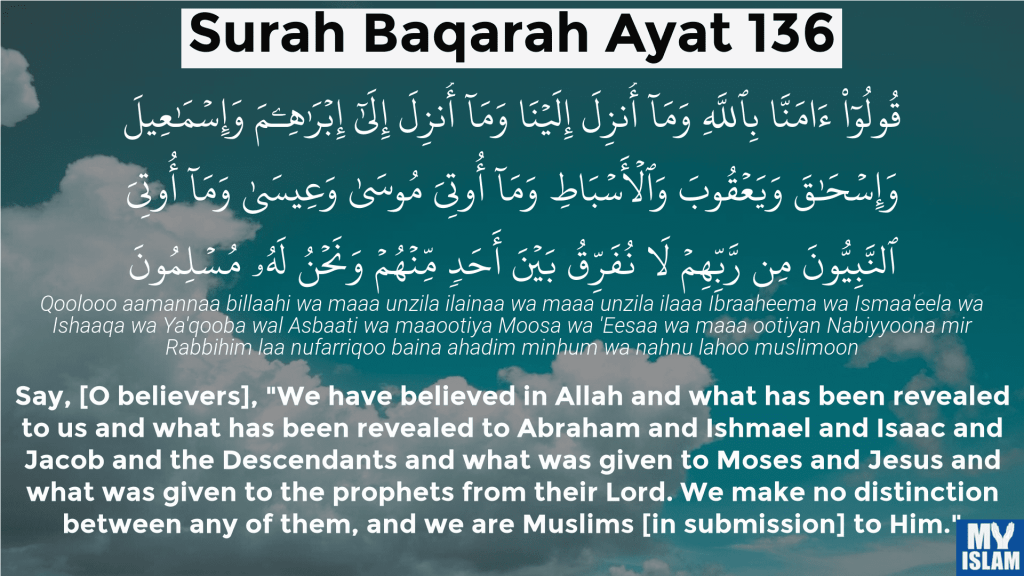
Say, ˹O believers,˺ “We believe in Allah and what has been revealed to us; and what was revealed to Abraham, Ishmael, Isaac, Jacob, and his descendants; and what was given to Moses, Jesus, and other prophets from their Lord. We make no distinction between any of them. And to Allah we all submit.” – surah Baqarah 136;
Allah Created the Heaveans and the the earth in 6 Days
In the name of God, the Gracious, the Merciful.
1. Glorifying God is everything in the heavens and the earth. He is the Almighty, the Wise. 2. To Him belongs the kingdom of the heavens and the earth. He gives life and causes death, and He has power over all things.
3. He is the First and the Last, and the Outer and the Inner, and He has knowledge of all things.
4. It is He who created the heavens and the earth in six days, then settled over the Throne. He knows what penetrates into the earth, and what comes out of it, and what descends from the sky, and what ascends to it. And He is with you wherever you may be. God is Seeing of everything you do.
5. To Him belongs the kingship of the heavens and the earth, and to God all matters are referred. 6. He merges the night into the day, and He merges the day into the night; and He knows what the hearts contains.
7. Believe in God and His Messenger, and spend from what He made you inherit. Those among you who believe and give will have a great reward.
8. What is the matter with you that you do not believe in God, when the Messenger calls you to believe in your Lord, and He has received a pledge from you, if you are believers?
Stand Firm for Justice and Believe in Allah
135. O you who believe! Stand firmly for justice, as witnesses to God, even if against yourselves, or your parents, or your relatives. Whether one is rich or poor, God takes care of both. So do not follow your desires, lest you swerve. If you deviate, or turn away—then God is Aware of what you do.
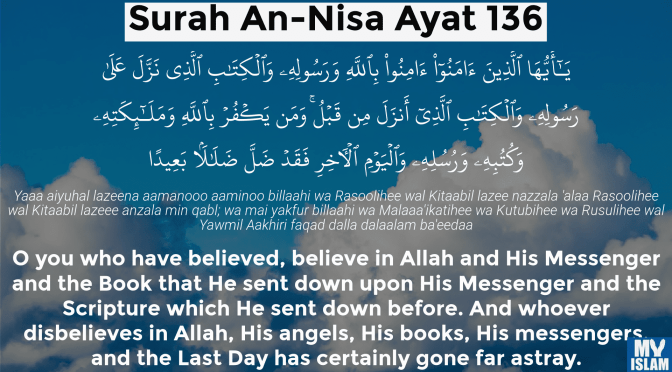
136. O you who believe! Believe in God and His messenger, and the Book He sent down to His messenger, and the Book He sent down before. Whoever rejects God, His angels, His Books, His messengers, and the Last Day, has strayed far in error.
137. Those who believe, then disbelieve, then believe, then disbelieve, then increase in disbelief, God will not forgive them, nor will He guide them to a way.
138. Inform the hypocrites that they will have a painful punishment. 139. Those who ally themselves with the disbelievers instead of the believers. Do they seek glory in them? All glory belongs to God.
#Faith, #Islamic Beliefs, #God, #Creation in 6 Days, #Verses, #Translation,
The Prophet (ṣ) informed us that this question comes from the whispering of Satan. As such, when the believer is confronted with this question, he or she should reaffirm their faith in Allah and stop trying to think about it logically because the premise itself is flawed.
Abu Huraira reported: The Messenger of Allah, peace and blessings be upon him, said: يَأْتِي الشَّيْطَانُ أَحَدَكُمْ فَيَقُولَ مَنْ خَلَقَ كَذَا وَكَذَا حَتَّى يَقُولَ لَهُ مَنْ خَلَقَ رَبَّكَ فَإِذَا بَلَغَ ذَلِكَ فَلْيَسْتَعِذْ بِاللَّهِ وَلْيَنْتَهِ;
Satan will come to one of you and he will say, ‘Who created this and that?’ until he says to him, ‘Who created your Lord?’ When it comes to this, let him seek refuge in Allah and stop such thoughts. Source: Ṣaḥīḥ al-Bukhārī 3102, Grade: Muttafaqun Alayhi
In another narration, the Prophet (ṣ) said:
فَلْيَقُلْ آمَنْتُ بِاللَّهِ
Let him say: I have faith in Allah. Source: Ṣaḥīḥ Muslim 134, Grade: Sahih;
The existence of the contingent, dependent, and temporal universe is itself sufficient proof that a necessary being exists who caused it to be. This higher power must be greater than the universe and not dependent upon anything to sustain itself. The Creator is by definition uncreated and thus asking who created the Creator is a logical fallacy of definitions.
Ibn Taymiyyah commented on this tradition, writing:
من المعلوم بالعلم الضروري الفطري لكل مَن سلِمتْ فطرته مِن بني آدم أنه سؤال فاسد وأنه يمتنع أن يكون لخالقِ كلِّ مخلوقٍ خالقٌ فإنه لو كان له خالقٌ لكان مخلوقاً ولم يكن خالقاً لكل مخلوق;
It is known by necessity and human nature, for all who have sound nature among the children of Adam, that the question is invalid. It is not possible for the Creator of the creation to have a creator. If He had a creator, He would be created Himself and would not be the Creator of everything. Source: Dar’ Taʻāruḍ al-’Aql wal-Naql 3/314;
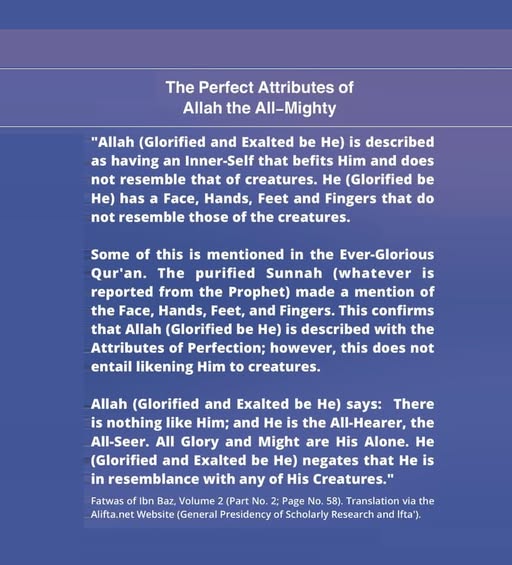
Allah (may He be Exalted and Glorified) can be described only with the Names and Attributes with which He has described Himself and the Names and Attributes with which His Prophet Muhammad (peace be upon him) described Him, which suit His Majesty without Takyif (questioning Allah’s Attributes), Tamthil (likening Allah’s Attributes to those of His Creation), Tahrif (distortion of the meaning), or Ta`til (denial of Allah’s Attributes). This is because Allah (Exalted be He) says: “There is nothing like Him; and He is the All Hearer, the All Seer”.
There are many Qur’anic proofs that Allah exists in the heavens above His creatures and is seated on His Throne. Allah (Exalted be He) says:
Indeed your Lord is Allah Who created the heavens and the earth in six Days,1 then established Himself on the Throne. He makes the day and night overlap in rapid succession. He created the sun, the moon, and the stars—all subjected by His command. The creation and the command belong to Him ˹alone˺. Blessed is Allah—Lord of all worlds!
To Him ascend (all) the goodly words, and the righteous deeds exalt it (i.e. the goodly words are not accepted by Allâh unless and until they are followed by good deeds) ;
I will take you and raise you to Myself ;
The angels and the Rûh [Jibrîl (Gabriel)] ascend to Him ;
Then He (Istawâ) rose over the Throne (in a manner that suits His Majesty). The Most Gracious (Allâh)! ;
Do you feel secure that He, Who is over the heaven (Allâh), will not cause the earth to sink with you Or do you feel secure that He, Who is over the heaven (Allâh), will not send against you a violent whirlwind? ;
The Most Gracious (Allâh) rose over (Istawâ) the (Mighty) Throne (in a manner that suits His Majesty). and: O Hâmân! Build me a tower that I may arrive at the ways The ways of the heavens, and I may look upon the Ilâh (God) of Mûsâ (Moses): But verily, I think him to be a liar.
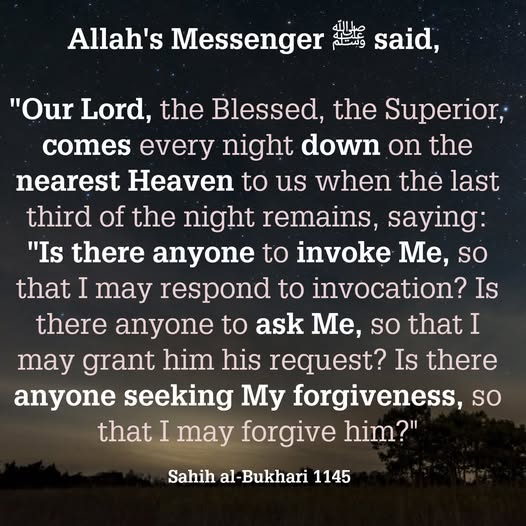
Hadith on Tahajjud: Allah descends in the last third of the night
Abu Huraira reported: The Messenger of Allah, peace and blessings be upon him, said, “Our Lord Almighty descends to the lowest heaven in the last third of every night, saying: Who is calling upon Me that I may answer him? Who is asking from Me that I may give him? Who is seeking My forgiveness that I may forgive him?”
Source: Ṣaḥīḥ al-Bukhārī 1145, Ṣaḥīḥ Muslim 758; Grade: Muttafaqun Alayhi (authenticity agreed upon) according to Al-Bukhari and Muslim
Abu Huraira reported: The Messenger of Allah, peace and blessings be upon him, said, “Is not the world cursed and everything in it? Except for the remembrance of Allah and what facilitates it, the scholar or the student.” Source: Sunan al-Tirmidhī 2322
On the authority of Sufyan bin Abdullah (may Allah be pleased with him) who said:
“I said, ‘O Messenger of Allah, tell me something about Islam which I can ask of no one but you.’ He (peace be upon him) said, ‘Say “I believe in Allah” — and then be steadfast.'” [Muslim]
On the authority of Abu Abdullah Jabir bin Abdullah al-Ansari (may Allah be pleased with him):
A man questioned the Messenger of Allah (peace be upon him) and said: “Do you think that if I perform the obligatory prayers, fast in Ramadan, treat as lawful that which is halal, and treat as forbidden that which is haram, and do not increase upon that [in voluntary good deeds], then I shall enter Paradise?” He (peace be upon him) replied, “Yes.” [Muslim]
On the authority of Sufyan bin Abdullah (may Allah be pleased with him) who said:
“I said, ‘O Messenger of Allah, tell me something about Islam which I can ask of no one but you.’ He (peace be upon him) said, ‘Say “I believe in Allah” — and then be steadfast.'” [Muslim]
Abu Mas’ud ‘Uqbah bin ‘Amr al-Ansari al-Badri(ra) reported that the Messenger of Allah(sas) said:
“The Messenger of Allah, peace be upon him, said: ‘Among the early prophetic teachings that have reached people is this: if you do not feel shame, do what you wish.’ ” Related by Bukhari
عَنْ أَبِي مَسْعُودٍ عُقْبَةَ بْنِ عَمْرٍو الْأَنْصَارِيِّ الْبَدْرِيِّ رَضِيَ اللهُ عَنْهُ قَالَ: قَالَ رَسُولُ اللَّهِ صلى الله عليه و سلم:
(No son did Allah beget, nor is there any god along with Him. (If there had been many gods), then each god would have taken away what he had created, and some would have tried to overcome others.) meaning, if it were decreed that there should be a plurality of deities, each of them would have exclusive control over whatever he had created, so there would never be any order in the universe. But what we see is that the universe is ordered and cohesive, with the upper and lower realms connected to one another in the most perfect fashion.
مَّا تَرَى فِى خَلْقِ الرَّحْمَـنِ مِن تَفَـوُتٍ
(you can see no fault in the creation of the Most Gracious) 65:3. Moreover, if there were a number of gods, each of them would try to subdue the other with enmity, and one would prevail over the other. This has been mentioned by the scholars of `Ilm-ul-Kalam, who discussed it using the evidence of mutual resistance or counteraction. This idea states that if there were two or more creators, one would want to make a body move while the other would want to keep it immobile, and if neither of them could achieve what they wanted, then both would be incapable, but the One Whose existence is essential i.e., Allah cannot be incapable. It is impossible for the will of both to be fulfilled because of the conflict. This dilemma only arises when a plurality of gods is suggested, so it is impossible for there to be such a plurality, because if the will of one is fulfilled and not the other, the one who prevails will be the one whose existence is essential (i.e., God) and the one who is prevailed over will be merely possible (i.e., he is not divine), because it is not befitting for the one to be defeated whose existence is essential. Allah says:
(and some would have tried to overcome others! Glorified be Allah above all that they attribute to Him!) meaning, high above all that the stubborn wrongdoers say when they claim that He has a son or partner.
عَـلِمُ الْغَيْبِ وَالشَّهَـدَةِ
(All-Knower of the unseen and the seen!) means, He knows what is hidden from His creatures and what they see.
فَتَعَـلَى عَمَّا يُشْرِكُونَ
(Exalted be He over all that they associate as partners to Him!) means, sanctified and glorified and exalted be He above all that the wrongdoers and liars say.
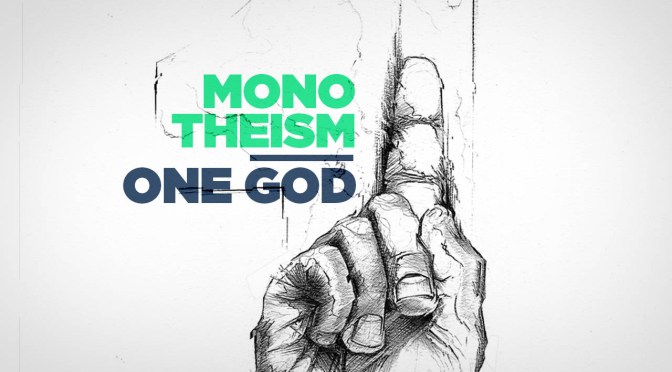
#Allah; #Monotheism, #Quran, #Tafsir/ #Explanations, #Law and Order (In Creation);
Surah Al Anam 24: 230-There are some of them who ˹pretend to˺ listen to your recitation ˹of the Quran˺, but We have cast veils over their hearts—leaving them unable to comprehend it—and deafness in their ears. Even if they were to see every sign, they still would not believe in them. The disbelievers would ˹even˺ come to argue with you, saying, “This ˹Quran˺ is nothing but ancient fables!”
Allah azza wa Jal Cast Veils on the Hearts
Surah Al Isra 17: 45-46 – When you ˹O Prophet˺ recite the Quran, We put a hidden barrier between you and those who do not believe in the Hereafter.
We have cast veils over their hearts—leaving them unable to comprehend it—and deafness in their ears. And when you mention your Lord alone in the Quran, they turn their backs in aversion.
This is a Book for those who Believe in the Unseen (revelation)
In the name of God, the Gracious, the Merciful.
1. Alif, Lam, Meem.
2. This is the Book in which there is no doubt, a guide for the righteous. 3. Those who believe in the unseen, and perform the prayers, and give from what We have provided for them.
4. And those who believe in what was revealed to you, and in what was revealed before you, and are certain of the Hereafter.
5. These are upon guidance from their Lord. These are the successful.
6. As for those who disbelieve—it is the same for them, whether you have warned them, or have not warned them—they do not believe.
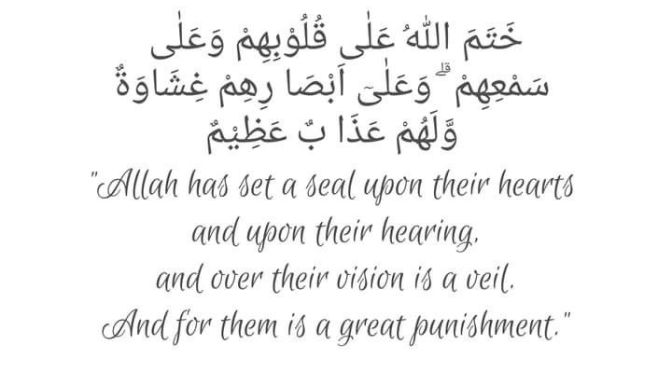
7. Allah/ God has set a seal on their hearts and on their hearing, and over their vision is a veil. They will have a severe torment.
#Allah, #Setting #Veil on the #Hearts #Quran Kareem; #Islam
Last 3 Ayyat/ Verses from Surah Hashr (gathering in Judgement Day);
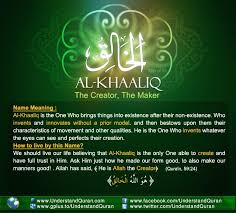
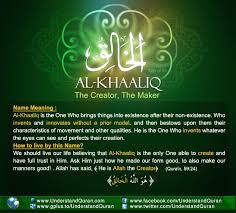
Translation of the last 3 verses of Surah Hashr: Verses 22-24; He is Allah—there is no god worthy of worship except Him: Knower of the seen and unseen. He is the Most Compassionate, Most Merciful. He is Allah—there is no god except Him: the King, the Most Holy, the All-Perfect, the Source of Serenity, the Watcher of all, the Almighty, the Supreme in Might, the Majestic. Glorified is Allah far above what they associate with Him in worship! He is Allah: the Creator, the Inventor, the Shaper. He alone has the Most Beautiful Names. Whatever is in the heavens and the earth constantly glorifies Him. And He is the Almighty, All-Wise.
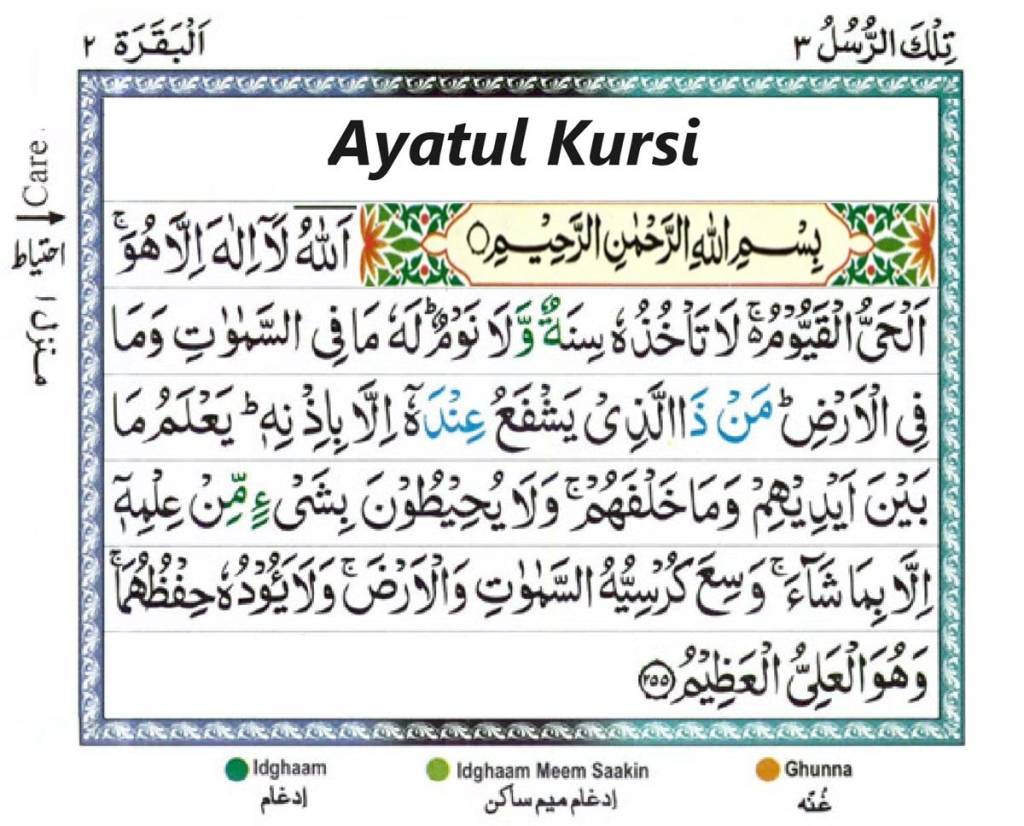
Ayatul Kursi – Verse of the Throne
Allah! There is no god ˹worthy of worship˺ except Him, the Ever-Living, All-Sustaining. Neither drowsiness nor sleep overtakes Him. To Him belongs whatever is in the heavens and whatever is on the earth. Who could possibly intercede with Him without His permission? He ˹fully˺ knows what is ahead of them and what is behind them, but no one can grasp any of His knowledge—except what He wills ˹to reveal˺. His Seat1 encompasses the heavens and the earth, and the preservation of both does not tire Him. For He is the Most High, the Greatest.2
Definitions of God in Semitic Languages
The main Aramaic words for God are Elah (ܐܠܗ) or Alaha (ܐܲܠܵܗܵܐ), meaning “God,” which are cognates of the Hebrew Eloah/Elohim and the Arabic Allah, all stemming from a common Semitic root for divinity. Aramaic also uses Elahi (אֱלָהִי) for “My God,” famously heard in Jesus’ cry “Eloi, Eloi, lama sabachthani?” (My God, my God, why have you forsaken me?).
Key Terms:
Elah / Alaha (אלה / אלהא): The general term for “God,” used in Biblical Aramaic and Syriac.
Elahi (אֱלָהִי): Means “My God,” a possessive form.
Eloi: The specific Aramaic/Hebrew form for “My God,” as used by Jesus in the Gospels.
Connections to Other Languages:
These Aramaic terms share a common root with the Hebrew Elohim (God) and the Arabic Allah (God), highlighting linguistic links across Semitic languages.
Usage:
Jesus’ use of “Eloi” in Aramaic (Mark 15:34) shows direct usage of these terms.
In the Bible (Books of Daniel, Ezra), compound forms like Elah Avahati (God of my fathers) and Elah Shemaiya (God of Heaven) are found.
#God, #Allah, #Divine Attributes, #Definitions, #Islam; #Semitic languages
Allah the Most Exalted said: “Did they then feel secure against the Plan of Allah? None feels secure from the Plan of Allah except the people who are lost.” He the Almighty said: “Who despairs of the Mercy of his Lord except those who are astray?”
Narrated Ibn Abbas (May Allah be pleased with him) (7:99) (15:56) Allah’s Messenger (May the peace and blessing of Allah be upon him) was asked concerning major sins then he (May the peace and blessing of Allah be upon him) said, “(1) Associating others with Allah; (2) To lose hope of relief from Allah and (3) Thinking oneself secure from the Plan of Allah,” Abdur-Razzaq reports from Ibn Mas’ud (May Allah be pleased with him) that the Prophet (May the peace and blessing of Allah be upon him) said: The greatest of the major sins is Shirk -associating others with Allah, thinking oneself secure from the Plan of Allah, to despair of the Mercy of Allah, and lose hope of Allah’s Relief” .
Numbers 12:3 Now the man Moses was very meek, more than all people who were on the face of the earth.
Exodus 10:3 So Moses and Aaron went in to Pharaoh and said to him, ‘Thus says the LORD, the God of the Hebrews, ‘How long will you refuse to humble yourself before me? Let my people go, that they may serve me.’
1 Samuel 2:7 The Lord makes poor and makes rich; he brings low and he exalts.
2 Samuel 22:28 You save a humble people, but your eyes are on the haughty to bring them down.
2 Chronicles 7:14 If my people who are called by my name humble themselves, and pray and seek my face and turn from their wicked ways, then I will hear from heaven and will forgive their sin and heal their land.
Psalm 95:6 Oh come, let us worship and bow down; let us kneel before the Lord, our Maker! (Notice they bow down and prostrate – just like the Muslims ( because they were Muslims/ eg/ worshipped God Alone);
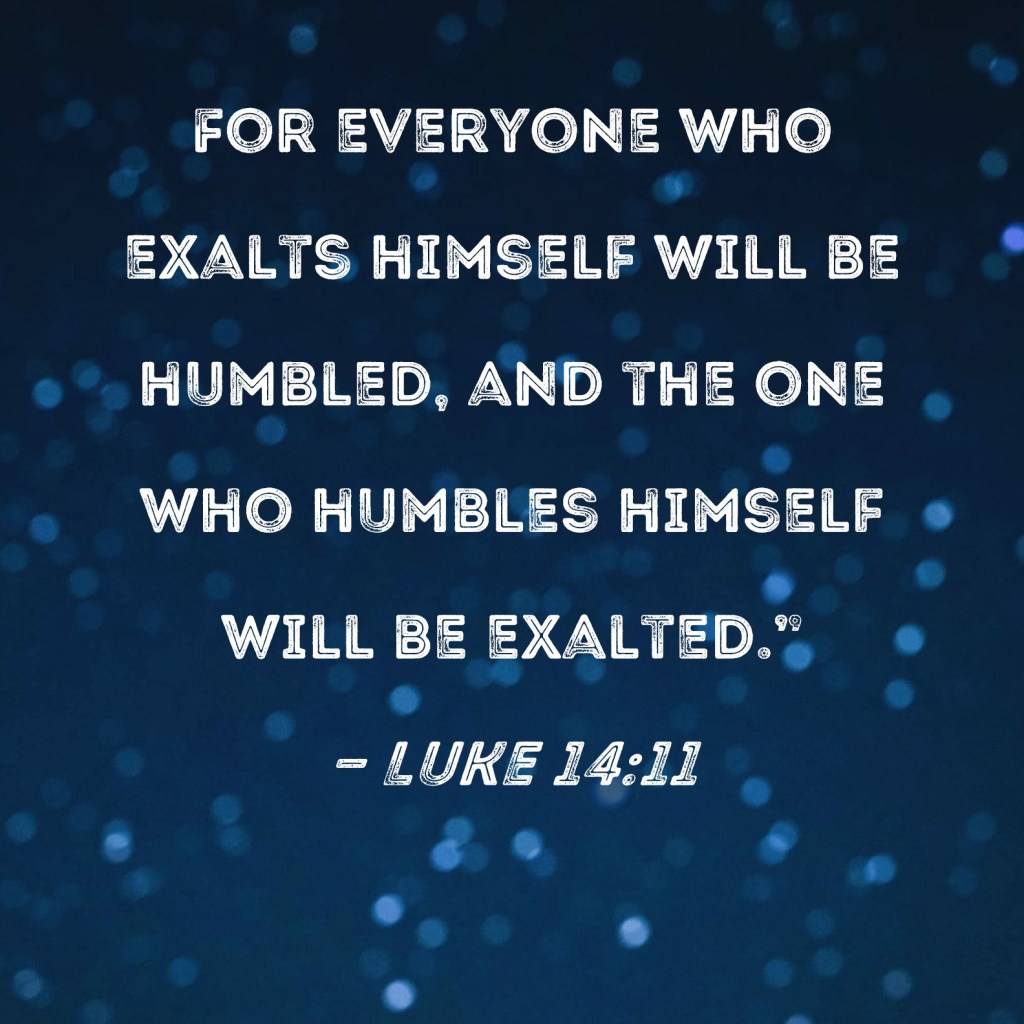
Matthew 23:10–12 Neither be called instructors, for you have one instructor, the Christ. The greatest among you shall be your servant. Whoever exalts himself will be humbled, and whoever humbles himself will be exalted.
Romans 12:3 For by the grace given to me I say to everyone among you not to think of himself more highly than he ought to think, but to think with sober judgment, each according to the measure of faith that God has assigned.
Colossians 3:18–19 Wives, submit to your husbands, as is fitting in the Lord. Husbands, love your wives, and do not be harsh with them.
1 Peter 3:3–4 Do not let your adorning be external—the braiding of hair and the putting on of gold jewelry, or the clothing you wear— but let your adorning be the hidden person of the heart with the imperishable beauty of a gentle and quiet spirit, which in God’s sight is very precious.
HUMILTY IN ISLAM – PRIDE BELONGS TO ALLAH (GOD ALLMIGHTY ALONE)
Abdullah narrated that the Messenger of Allah said: “Whoever has a mustard seed’s weight of pride (arrogance) in his heart, shall not be admitted into Paradise. And whoever has a mustard seed’s weight of faith in his heart, shall not be admitted into the Fire.”
“Verily, for all men and women who have surrendered themselves unto God, and all believing men and believing women, and all truly devout men and truly devout women, and all men and women who are true to their word, and all men and women who are patient in adversity, and all men and women who humble themselves… for them God has readied forgiveness of sins and a mighty reward” (Qur’an33:35).
At-Tirmidhi (1999), Abu Dawood (4091) and Ibn Maajah (59) narrated from ‘Abdullah ibn Mas‘ood that the Prophet (blessings and peace of Allah be upon him) said: “No one will enter Paradise in whose heart is an atom’s weight of arrogance and no one will enter Hell in whose heart is an atom’s weight of faith.” A man said: What if I like my clothes to look nice and my shoes to look nice? He said: “Verily Allah loves beauty; rather arrogance means rejecting the truth and looking down on people.”
PRIDE BELONGS TO ALLAH ALONE:
There is no doubt that Kibriyaa’ (Pride/Grandeur) is one of the Attributes of Allah, The Exalted, as stated in the Quran and Sunnah, and that Al-Mutakabbir (The Superior and Supreme in pride and grandeur) is one of His Names. Allah Says (what means): {And to Him belongs [all] grandeur within the heavens and the earth, and He is the Exalted in Might, the Wise.} [Quran 45:37] Al-Qurtubi said in his Tafseer book: “{to Him belongs [all] grandeur} means that to Him belongs greatness, majesty, immortality, dominion, power, and perfection.” [End of quote]
In the Sunnah, it was narrated on the authority of Abu Hurayrah that the Messenger of Allah, sallallaahu ‘alayhi wa sallam, said: “Allah, The Almighty, Says: “Pride is My Ridaa’ (cloak), and Greatness is My Izaar (lower garment), and whoever claims to share with Me either one of them, I will cast him into Hellfire.” [Ahmad, Abu Daawood and Ibn Maajah]
Moreover, the Prophet, sallallaahu ‘alayhi wa sallam, used to say in his Rukoo‘: “Subhaana Thil-Jabarooti wal-Malakooti wal-Kibriyaa’i wal-‘Athamah (which means: Glory be to the Lord of Might, Dominion, Grandeur, and Greatness).” [Ahmad, Abu Daawood, and An-Nasaa’i]
One of the Most Beautiful Names of Allah is Al-Mutakabbir, as stated in the Quran, where Allah Almighty Says about Himself (what means): {…the Exalted in Might, the Compeller, the Superior.} [Quran 59:23] [Al-Mutakabbir in this verse is translated as ‘the Superior’]
Briefly, the reported meaning of the divine name Al-Mutakabbir is as follows: “The One Who is Superior and Exalted Above all evil, Who is far Exalted above committing injustice against His slaves. To Him belongs all grandeur, and He is far Exalted above the attributes of His creation, and He shows His Superiority to the insolent created beings who dare to claim to share with Him the attribute of greatness, so He destroys them.”
Al-Munaawi said in Faydh Al-Qadeer: “Al-Mutakabbir means the One to Whom belongs all Kibriyaa’ (pride/grandeur), The Sovereign, or The Superior Who sees others as inferior to Him. He regards others in the same way a master regards his slaves, and it is inconceivable that this attribute should be ascribed to other than Allah, The Exalted (in this sense). To Him alone belong greatness and grandeur in all respects and from all aspects, and therefore this attribute cannot be used in reference to other than Allah, The Exalted, except in a context of dispraise.” [End of quote]
#Humility, #Pride, #Islam, #Paradise, #Bible, Quran Kareem, #Comparative religion;
Qur’an Verses Translation – Prophets -Moses and Jesus
153. The People of the Scripture challenge you to bring down to them a book from the sky. They had asked Moses for something even greater. They said, “Show us God plainly.” The thunderbolt struck them for their wickedness. Then they took the calf for worship, even after the clear proofs had come to them. Yet We pardoned that, and We gave Moses a clear authority.
154. And We raised the Mount above them in accordance with their covenant, and We said to them, “Enter the gate humbly”, and We said to them, “Do not violate the Sabbath”, and We received from them a solemn pledge.
155. But for their violation of their covenant, and their denial of God’s revelations, and their killing of the prophets unjustly, and their saying, “Our minds are closed.” In fact, God has sealed them for their disbelief, so they do not believe, except for a few.
156. And for their faithlessness, and their saying against Mary a monstrous slander.
157. And for their saying, “We have killed the Messiah, Jesus, the son of Mary, the Messenger of God.” In fact, they did not kill him, nor did they crucify him, but it appeared to them as if they did. Indeed, those who differ about him are in doubt about it. They have no knowledge of it, except the following of assumptions. Certainly, they did not kill him. 158. Rather, God raised him up to Himself. God is Mighty and Wise.
159. There is none from the People of the Scripture but will believe in him before his death, and on the Day of Resurrection he will be a witness against them.









 said in his Tafseer book: “{to Him belongs [all] grandeur} means that to Him belongs greatness, majesty, immortality, dominion, power, and perfection.” [End of quote]
 that the Messenger of Allah, sallallaahu ‘alayhi wa sallam, said: “Allah, The Almighty, Says: “Pride is My Ridaa’ (cloak), and Greatness is My Izaar (lower garment), and whoever claims to share with Me either one of them, I will cast him into Hellfire.” [Ahmad, Abu Daawood and Ibn Maajah]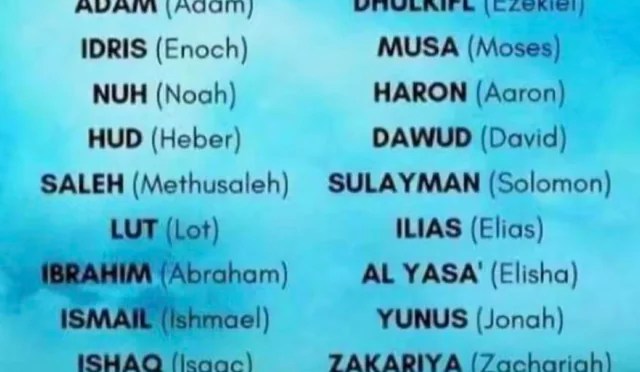
 bismillahschool.net