Greek Origin:The name’s ultimate root is the Greek word khrīstós (Χριστός), which translates to “anointed one”.
Latin Form:The name evolved into the Latin christianus, meaning “follower of Christ”.
Feminine Form:Cristina, or its English equivalent Christina, is a feminine version of this name.
Meaning:The name signifies a deep connection to Christianity and a person who follows the teachings of Christ.
Historical Significance:The name has been popular for centuries, partly due to early Christian saints and royalty who bore the name, such as Saint Christina of Bolsena.
Also – Muslim Name took as Maryam – Mary – the Mother of Christ/ Jesus (Alayhis Salam)/ Peace be upon him;
Regarding the narrations which shows the poisoning by Jewish woman:
حَدَّثَنَا عَبْدُ اللَّهِ بْنُ يُوسُفَ، حَدَّثَنَا اللَّيْثُ، قَالَ حَدَّثَنِي سَعِيدٌ، عَنْ أَبِي هُرَيْرَةَ ـ رضى الله عنه ـ قَالَ لَمَّا فُتِحَتْ خَيْبَرُ أُهْدِيَتْ لِلنَّبِيِّ صلى الله عليه وسلم شَاةٌ فِيهَا سُمٌّ فَقَالَ النَّبِيُّ صلى الله عليه وسلم ” اجْمَعُوا إِلَىَّ مَنْ كَانَ هَا هُنَا مِنْ يَهُودَ ”. فَجُمِعُوا لَهُ فَقَالَ ” إِنِّي سَائِلُكُمْ عَنْ شَىْءٍ فَهَلْ أَنْتُمْ صَادِقِيَّ عَنْهُ ”. فَقَالُوا نَعَمْ. قَالَ لَهُمُ النَّبِيُّ صلى الله عليه وسلم ” مَنْ أَبُوكُمْ ”. قَالُوا فُلاَنٌ. فَقَالَ ” كَذَبْتُمْ، بَلْ أَبُوكُمْ فُلاَنٌ ”. قَالُوا صَدَقْتَ. قَالَ ” فَهَلْ أَنْتُمْ صَادِقِيَّ عَنْ شَىْءٍ إِنْ سَأَلْتُ عَنْهُ ” فَقَالُوا نَعَمْ يَا أَبَا الْقَاسِمِ، وَإِنْ كَذَبْنَا عَرَفْتَ كَذِبَنَا كَمَا عَرَفْتَهُ فِي أَبِينَا. فَقَالَ لَهُمْ ” مَنْ أَهْلُ النَّارِ ”. قَالُوا نَكُونُ فِيهَا يَسِيرًا ثُمَّ تَخْلُفُونَا فِيهَا. فَقَالَ النَّبِيُّ صلى الله عليه وسلم ” اخْسَئُوا فِيهَا، وَاللَّهِ لاَ نَخْلُفُكُمْ فِيهَا أَبَدًا ـ ثُمَّ قَالَ ـ هَلْ أَنْتُمْ صَادِقِيَّ عَنْ شَىْءٍ إِنْ سَأَلْتُكُمْ عَنْهُ ”. فَقَالُوا نَعَمْ يَا أَبَا الْقَاسِمِ. قَالَ ” هَلْ جَعَلْتُمْ فِي هَذِهِ الشَّاةِ سُمًّا ”. قَالُوا نَعَمْ. قَالَ ” مَا حَمَلَكُمْ عَلَى ذَلِكَ ”. قَالُوا أَرَدْنَا إِنْ كُنْتَ كَاذِبًا نَسْتَرِيحُ، وَإِنْ كُنْتَ نَبِيًّا لَمْ يَضُرَّكَ.
When Khaibar was conquered, a roasted poisoned sheep was presented to the Prophet (ﷺ) as a gift (by the Jews). The Prophet (ﷺ) ordered, “Let all the Jews who have been here, be assembled before me.” The Jews were collected and the Prophet (ﷺ) said (to them), “I am going to ask you a question. Will you tell the truth?” They said, “Yes.” The Prophet (ﷺ) asked, “Who is your father?” They replied, “So-and-so.” He said, “You have told a lie; your father is so-and-so.” They said, “You are right.” He said, “Will you now tell me the truth, if I ask you about something?” They replied, “Yes, O Abu Al-Qasim; and if we should tell a lie, you can realize our lie as you have done regarding our father.” On that he asked, “Who are the people of the (Hell) Fire?” They said, “We shall remain in the (Hell) Fire for a short period, and after that you will replace us.” The Prophet (ﷺ) said, “You may be cursed and humiliated in it! By Allah, we shall never replace you in it.” Then he asked, “Will you now tell me the truth if I ask you a question?” They said, “Yes, O Abu Al-Qasim.” He asked, “Have you poisoned this sheep?” They said, “Yes.” He asked, “What made you do so?” They said, “We wanted to know if you were a liar in which case we would get rid of you, and if you are a prophet then the poison would not harm you.”
It is narrated to us by Ibrahim b. Hashim from Ja’far b. Muhammad from Abdullah b. Maymoon Al-Qaddah that Abu Abdullah ع said:
حدثنا ابراهيم بن هاشم عن جعفر بن محمد عن عبد الله بن ميمون القداح عن ابى عبد الله عليه السلام قال سمت اليهودية النبي صلى الله عليه وآله في ذراع قال وكان رسول الله صلى الله عليه وآله يحب الذراع والكتف ويكره الورك لقربها من المبال قال لما اوتى بالشوا اكل من الذراع وكان يحبها فاكل ما شاء الله ثم قال الذراع يا رسول الله صلى الله عليه وآله انى مسموم فتركه وما ذاك ينتقض به سمه حتى مات صلى الله عليه وآله.
‘A Jewess poisoned the Prophet (saws) in a forearm (of a grilled sheep). And the Messenger of Allah (saws) used to love the forearm and the shoulder, and disliked the thighs due to its vicinity from the urinary tract’. He then said: ‘When she came with the grill, he ate from the forearm, and he loved it, so he ate whatever Allah so Desired. Then the forearm said, ‘O Messenger of Allah (saws), I am poisoned’. So, he left it, and the poison did not cease to infringe with Him until He passed away’
Basair al-darajat, pg 523
حدثنا احمد بن محمد عن الحسين بن سعيد عن القاسم بن محمد عن على عن ابى بصير عن ابى عبد الله عليه السلام قال سم رسول الله صلى الله عليه وآله يوم خيبر فتكلم اللحم فقال يارسول الله صلى الله عليه وآله انى مسموم قال فقال النبي صلى الله عليه وآله عند موته اليوم قطعت مطاياى الاكلة التى اكلت بخيبر وما من نبى ولا وصى والا شهيد.
It is narrated to us by Ahmad b. Muhammad from Al-Hussain b. Saeed from Al-Qasim b. Muhammad from Ali from Abi Baseer that Abu Abdullah عليه السلام said: ‘The Messenger of Allah (saws) was poisoned on the day of Khaybar. The meat spoke and said, ‘O Messenger of Allah (saws) ! I am poisoned’. He [the Imam] said: ‘The Prophet (saws) said during his passing: ‘My insides is being cut by the meal which I ate at Khaybar, and there is no Prophet nor a succesor except that he is a martyr’’
Basair al-darajat, pg 523
#poisoning of Nabi(sal Allahu alayhi wa Salaam); #hadith;
Narrated `Aisha:
The Prophet (ﷺ) in his ailment in which he died, used to say, “O `Aisha! I still feel the pain caused by the food I ate at Khaibar, and at this time, I feel as if my aorta is being cut from that poison.” – Sahih al Bukhari 4428;
وَقَالَ يُونُسُ عَنِ الزُّهْرِيِّ، قَالَ عُرْوَةُ قَالَتْ عَائِشَةُ ـ رضى الله عنها ـ كَانَ النَّبِيُّ صلى الله عليه وسلم يَقُولُ فِي مَرَضِهِ الَّذِي مَاتَ فِيهِ “ يَا عَائِشَةُ مَا أَزَالُ أَجِدُ أَلَمَ الطَّعَامِ الَّذِي أَكَلْتُ بِخَيْبَرَ، فَهَذَا أَوَانُ وَجَدْتُ انْقِطَاعَ أَبْهَرِي مِنْ ذَلِكَ السَّمِّ ”.
Muhammad AsadTHE PARABLE of those who spend their possessions for the sake of God is that of a grain out of which grow seven ears, in every ear a hundred grains: for God grants manifold increase unto whom He wills; and God is infinite, all-knowing – surah Baqarah 2:261;
The Canadian Dental Care Plan (CDCP) provides dental care coverage to Canadian residents who have an adjusted family net income below $90,000 and who don’t have access to dental insurance. For eligible Canadian residents, the CDCP will help cover the cost of various oral health care services.
Your family net income (line 23600 of your tax return plus line 23600 of your spouse’s or common-law partner’s tax return)Minusany universal child care benefit (UCCB) and registered disability savings plan (RDSP) income received (line 11700 and line 12500 of your or your spouse’s or common-law partner’s tax return)Plusany UCCB and RDSP amounts repaid (line 21300 and line 23200 of your or your spouse’s or common-law partner’s tax return)
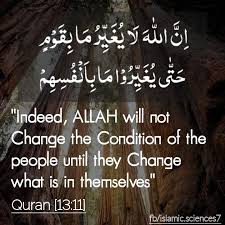
the Quran (13:11) Allah azza wa Jal states, “Indeed, Allah will not change the condition of a people until they change what is in themselves“. – surah ArRad- The Thunder
To be, or not to be, that is the question: Whether ’tis nobler in the mind to suffer The slings and arrows of outrageous fortune, Or to take arms against a sea of troubles And by opposing end them. To die — to sleep, No more; and by a sleep to say we end The heart-ache and the thousand natural shocks That flesh is heir to: ’tis a consummation Devoutly to be wish’d. To die, to sleep; To sleep, perchance to dream — ay, there’s the rub: For in that sleep of death what dreams may come, When we have shuffled off this mortal coil, Must give us pause — there’s the respect That makes calamity of so long life. For who would bear the whips and scorns of time, Th’oppressor’s wrong, the proud man’s contumely, The pangs of dispriz’d love, the law’s delay, The insolence of office, and the spurns That patient merit of th’unworthy takes, When he himself might his quietus make With a bare bodkin? Who would fardels bear, To grunt and sweat under a weary life, But that the dread of something after death, The undiscovere’d country, from whose bourn No traveller returns, puzzles the will, And makes us rather bear those ills we have Than fly to others that we know not of? Thus conscience doth make cowards of us all, And thus the native hue of resolution Is sicklied o’er with the pale cast of thought, And enterprises of great pith and moment With this regard their currents turn awry And lose the name of action.

































 bismillahschool.net