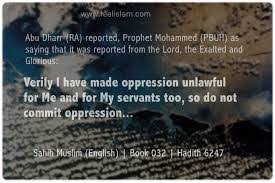
On the authority of Abdullah Ibn Masud (may Allah be pleased with him) who said: The Messenger of Allah (peace be upon him) said:“It is not permissible to spill the blood of a Muslim except in three [instances]: the married person who commits adultery, a life for a life, and the one who forsakes his religion and separates from the community.” [Al-Bukhari & Muslim]
عَنْ ابْنِ مَسْعُودٍ رَضِيَ اللهُ عَنْهُ قَالَ: قَالَ رَسُولُ اللَّهِ صلى الله عليه و سلم
“لَا يَحِلُّ دَمُ امْرِئٍ مُسْلِمٍ [ يشهد أن لا إله إلا الله، وأني رسول الله] إلَّا بِإِحْدَى ثَلَاثٍ: الثَّيِّبُ الزَّانِي، وَالنَّفْسُ بِالنَّفْسِ، وَالتَّارِكُ لِدِينِهِ الْمُفَارِقُ لِلْجَمَاعَةِ”. [رَوَاهُ الْبُخَارِيُّ] ، [وَمُسْلِمٌ].
Forbiddence of Anger
On the authority of Abu Hurayrah (may Allah be pleased with him):
“A man said to the Prophet, ‘Give me advice.’ The Prophet, peace be upon him, said, ‘Do not get angry.’ The man asked repeatedly and the Prophet answered each time, ‘Do not get angry.’” Related by Bukhari & Muslim
Slaughter an Animal
On the authority of Abu Ya’la Shaddad bin Aws (may Allah be pleased with him), that the Messenger of Allah (peace be upon him) said:
“Verily Allah has prescribed ihsan (perfection) in all things. Thus if you kill, kill well; and if you slaughter, slaughter well. Let each one of you sharpen his blade and let him spare suffering to the animal he slaughters.” [Muslim]
Just Remember – sometimes the Evidence is Clear as Day as Night – and sometimes or many times the Innocent are made like Looking Guilty even if they are Innocent – Lies in front of Judges, Fake Witnesses etc; even the Police may pick and chooses whose Testimony to take or reject;
Local father-son duo is carrying on a legal legacy that spans over five decades. Anthony J. Orazietti, who joined his father in practice, offers a unique perspective on the evolving landscape of law and the importance of community engagement.
The Orazietti & Orazietti Law Firm has been a fixture in the legal community since the 1980s.
The senior Orazietti, called to the bar in 1970, spent his early career in the Crown Attorney’s office before transitioning to private practice. Anthony, following in his father’s footsteps, was called to the bar in 2017.
For the younger Orazietti, the path to law seemed almost predestined.
“I always found it interesting,” he reminisces. “I remember going to the courthouse with dad and spending time in his office.” These early experiences sparked a passion that would eventually lead him to join the family practice.
As practitioners of criminal law, the Oraziettis are committed to providing the highest quality of service to their clients. Anthony emphasizes the importance of focused attention in their line of work.
“Criminal law is a very serious matter, and we take it seriously,” he states. “While clients may sometimes need to wait for a callback or email reply, it’s to ensure we can give each case the full attention it deserves.”
▾ The Ten Commandments (Deuteronomy 5:6–21) 1And God spoke all these words:2“I am the LORD your God, who brought you out of the land of Egypt, out of the house of slavery.3You shall have no other gods before Me.a4You shall not make for yourself an idol in the form of anything in the heavens above, on the earth below, or in the waters beneath. 5You shall not bow down to them or worship them; for I, the LORD your God, am a jealous God, visiting the iniquity of the fathers on their children to the third and fourth generations of those who hate Me, 6but showing loving devotion to a thousand generationsb of those who love Me and keep My commandments.7You shall not take the name of the LORD your God in vain, for the LORD will not leave anyone unpunished who takes His name in vain.
12Honor your father and mother, so that your days may be long in the land that the LORD your God is giving you.c
16You shall not bear false witness against your neighbor.g
17You shall not coveth your neighbor’s house. You shall not covet your neighbor’s wife, or his manservant or maidservant, or his ox or donkey, or anything that belongs to your neighbor.”
#Cases, #innocent, #Guilty, #Lies; #Evidence and #False Winess; #Sins;
Surah An Naml (The Ant) - Quran Kareem - Verses 15 to 44 - Clear Quran Translation;
15. And We gave David and Solomon knowledge. They said, “Praise God, who has favored us over many of His believing servants.”
16. And Solomon succeeded David. He said, “O people, we were taught the language of birds, and we were given from everything. This is indeed a real blessing.”
17. To the service of Solomon were mobilized his troops of sprites, and men, and birds—all held in strict order.
18. Until, when they came upon the Valley of Ants, an ant said, “O ants! Go into your nests, lest Solomon and his troops crush you without noticing.”
19. He smiled and laughed at her words, and said, “My Lord, direct me to be thankful for the blessings you have bestowed upon me and upon my parents, and to do good works that please You. And admit me, by Your grace, into the company of Your virtuous servants.”
20. Then he inspected the birds, and said, “Why do I not see the hoopoe? Or is he among the absentees?
21. I will punish him most severely, or slay him, unless he gives me a valid excuse.”
22. But he did not stay for long. He said, “I have learnt something you did not know. I have come to you from Sheba, with reliable information.
23. I found a woman ruling over them, and she was given of everything, and she has a magnificent throne.
24. I found her and her people worshiping the sun, instead of God. Satan made their conduct appear good to them, and diverted them from the path, so they are not guided.
25. If only they would worship God, who brings to light the mysteries of the heavens and the earth, and knows what you conceal and what you reveal.
26. God—There is no god but He, the Lord of the Sublime Throne.”
27. He said, “We will see, whether you have spoken the truth, or whether you are a liar.
28. Go with this letter of mine, and deliver it to them; then withdraw from them, and see how they respond.”
29. She said, “O Counselors, a gracious letter was delivered to me.
30. It is from Solomon, and it is, ‘In the Name of God, the Gracious, the Merciful.
31. Do not defy me, and come to me submissively.’”
32. She said, “O counselors, advise me in this matter of mine. I never make a decision unless you are present.”
33. They said, “We are a people of might and great courage, but the decision is yours, so consider what you wish to command.”
34. She said, “When kings enter a city, they devastate it, and subjugate its dignified people. Thus they always do.
35. I am sending them a gift, and will see what the envoys bring back.”
36. When he came to Solomon, he said, “Are you supplying me with money? What God has given me is better than what He has given you. It is you who delight in your gift.
37. Go back to them. We will come upon them with troops they cannot resist; and we will expel them from there, disgraced and humiliated.”
38. He said, “O notables, which one of you will bring me her throne before they come to me in submission?”
39. An imp of the sprites said, “I will bring it to you before you rise from your seat. I am strong and reliable enough to do it.”
40. He who had knowledge from the Book said, “I will bring it to you before your glance returns to you.” And when he saw it settled before him, he said, “This is from the grace of my Lord, to test me, whether I am grateful or ungrateful. He who is grateful, his gratitude is to his own credit; but he who is ungrateful—my Lord is Independent and Generous.”
41. He said, “Disguise her throne for her, and we shall see whether she will be guided, or remains one of the misguided.”
40. He who had knowledge from the Book said, “I will bring it to you before your glance returns to you.” And when he saw it settled before him, he said, “This is from the grace of my Lord, to test me, whether I am grateful or ungrateful. He who is grateful, his gratitude is to his own credit; but he who is ungrateful—my Lord is Independent and Generous.”
41. He said, “Disguise her throne for her, and we shall see whether she will be guided, or remains one of the misguided.”
42. When she arrived, it was said, “Is your throne like this?” She said, “As if this is it.” “We were given knowledge before her, and we were submissive.”
43.But she was prevented by what she worshiped besides God; she belonged to a disbelieving people.
44. It was said to her, “Go inside the palace.” And when she saw it, she thought it was a deep pond, and she bared her legs. He said, “It is a palace paved with glass.” She said, “My Lord, I have done wrong to myself, and I have submitted with Solomon, to God, Lord of the Worlds.”
#David, #Solomon, #Queen of Sheba, #Quran Kareem; Suran An Naml (The Ant)
Praise be to Allah, and blessings and peace be upon the Messenger of Allah: Allah, may He be exalted, created Adam the father of mankind (peace be upon him) and he created from him his wife Hawwa’ (Eve), then mankind spread from them as Allah says (interpretation of the meaning):
“O mankind! We have created you from a male and a female, and made you into nations and tribes, that you may know one another. Verily, the most honourable of you with Allaah is that (believer) who has At‑Taqwa [i.e. he is one of the Muttaqoon (the pious)]” [al-Hujuraat 49:13]
“O mankind! Be dutiful to your Lord, Who created you from a single person (Adam), and from him (Adam) He created his wife [Hawwa (Eve)], and from them both He created many men and women” [al-Nisa’ 4:1].
More than one of the scholars have stated that Allah, may He be exalted, ordained that Adam (peace be upon him) should marry his daughters to his sons, so he would marry the female from one pregnancy to the male from another pregnancy. Allah, may He be exalted, says concerning the two sons of Adam (peace be upon him) (interpretation of the meaning):
“And (O Muhammad صلى الله عليه وسلم) recite to them (the Jews) the story of the two sons of Adam (Haabeel and Qaabeel – Abel and Cain) in truth; when each offered a sacrifice (to Allaah), it was accepted from the one but not from the other. The latter said to the former: ‘I will surely, kill you.’ The former said: ‘Verily, Allaah accepts only from those who are Al-Muttaqoon (the pious)’” [al-Maa’idah 5:27]. Ibn Katheer (may Allah have mercy on him) said:
It was narrated concerning them, as quoted by more than one of the earlier and later scholars, that Allah prescribed that Adam (peace be upon him) should marry his daughters to his sons as a matter of necessity. But they said: A male and female were born from each pregnancy, so he would marry the female from one pregnancy to the male from another. The sister of Habeel (Abel) was ugly and the sister of Qabeel was beautiful. Qabeel wanted to keep her for himself and not give her to his brother, but Adam insisted that they should offer sacrifices and whichever brother’s sacrifice was accepted by Allah would win her hand. So they offered sacrifices and it was accepted from Habeel but it was not accepted from Qabeel. And their story was told by Allah in His Book. End quote. Tafseer Ibn Katheer, 3/82
Ibn Abi Haatim narrated: It was forbidden for a woman to marry her twin brother, and he was commanded to give her in marriage to a brother from another pregnancy. And from each pregnancy one boy and one girl were born. Whilst they were like that, a beautiful girl was born to him, and another was born who was ugly. The twin brother of the ugly one (Qabeeel- Cain) said to his brother (habeel – Abel): Give me your twin sister in marriage and I will give you my twin sister in marriage. He said: I have more right to my twin sister. So they offered sacrifices, and the sacrifice of the one who offered a ram was accepted but the sacrifice of the one who offered crops was not accepted, so he killed him. Ibn Katheer (may Allah have mercy on him) said: Its isnaad is jayyid. Tafseer Ibn Katheer, 3/83
#beginning of #mankind; #Adam #Eve, #Cain and #Abel story; #Islam’ #marriage and #murder #story;
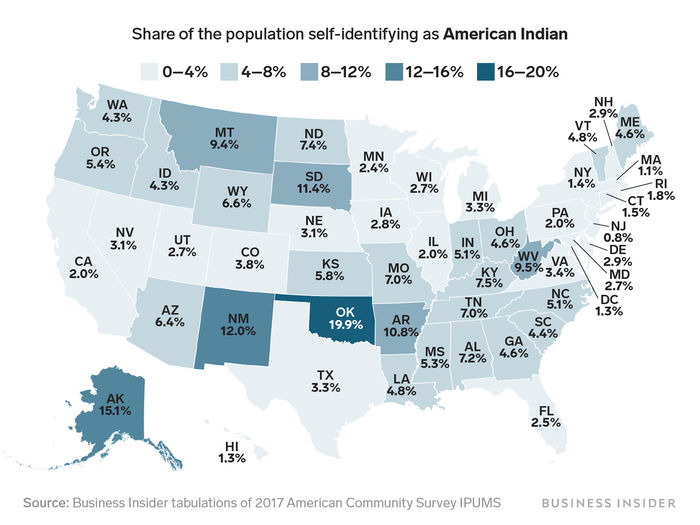
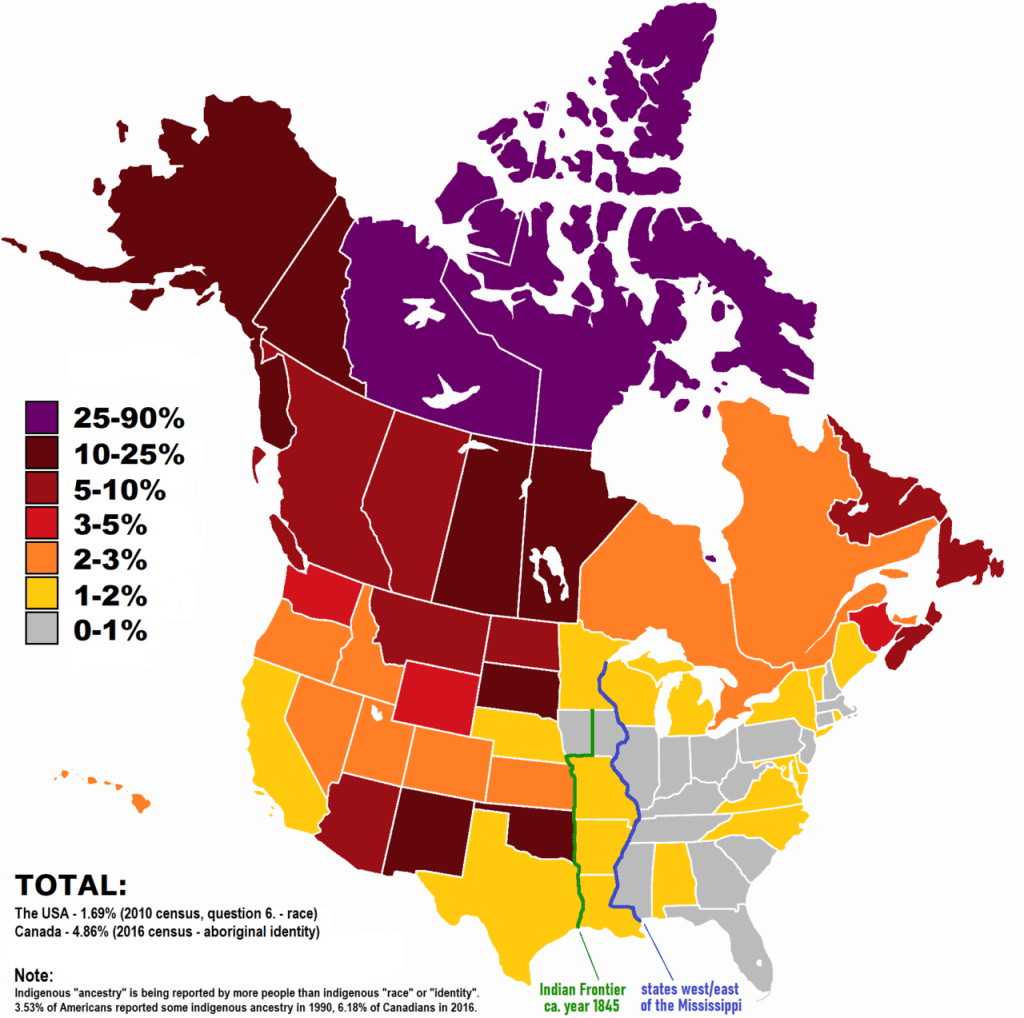
Indigenous peoples of the Americas have a historically high frequency of blood type O, with some communities showing nearly universal O type blood, such as the Navajo and Quechua. This genetic trait is linked to an Ancestral Informative Marker (AIM) related to the G542A mutation, which emerged in Beringia during the migration into the Americas from Asia. Scientists continue to study why this genetic uniformity exists, exploring theories about founder effects, adaptation to diseases like malaria, and unique evolutionary histories.
High Frequency of Type O Blood
Near Universal Presence:Type O blood is a defining feature of many Indigenous populations in the Americas.
Examples:Studies have found nearly 100% Type O blood in certain Quechua communities in Peru, while other groups like the Navajo in Arizona and the Yanomami in the Amazon have very high frequencies (99% and 92% respectively).
Genetic Origins
Beringian Migration:The O blood type gene, specifically the O1V542 allele, is thought to have been selected in the Native American ancestral population during their migration from Asia through Beringia.
Ancestral Informative Marker (AIM):The G542A mutation, found in the ABO gene, is a unique marker in Native American populations and helps trace their genetic origins.
Scientific Theories and Research
Founder Effect:A single founding population could have carried this blood type, leading to its high frequency through genetic drift and isolation.
Disease Resistance:Type O blood is associated with resistance to severe malaria, suggesting a possible evolutionary advantage against this ancient disease in the Americas.
Continued Study:Research continues to investigate the biological and historical reasons behind this genetic uniformity, which offers insights into the peopling of the Americas and human evolution.
Because group O blood can be received by anyone in a blood transfusion, it was originally thought that this was the ancestral blood type, but more recent work suggests that there are several different mutations that can deactivate the A or B genes to turn them into O. This makes a firm evolutionary timeline much harder to establish and there are several competing theories that contradict each other.
What they agree on is that AB is the most recent and didn’t occur until the 16th Century when group A populations from Europe and group B populations from Asia began to mix. The other blood groups are tens of thousands of years old with B being more recent than A. The oldest group is either group A or one of the forms of group O.
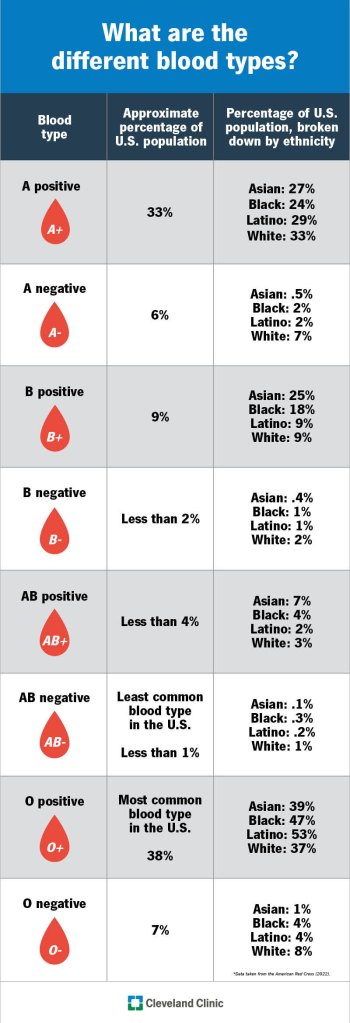
Type O blood lacks A and B antigens, with O-positive being the most common overall type and O-negative being the universal blood donor for emergencies, as its red blood cells can be given to any patient regardless of their blood type. O-positive blood is also in high demand because it can be given to the majority of the population (those with a positive blood type).
Characteristics of Type O Blood
Antigens:Type O red blood cells do not have the A or B antigens on their surface.
Rh Factor:
O-positive:Has the Rh factor present on the red blood cells, making it a positive blood type.
O-negative: Lacks the Rh factor, making it a negative blood type.
Importance of Type O Blood
Universal Donor (O-negative):O-negative blood is crucial for emergency situations when a patient’s blood type is unknown, as it can be given to anyone.
High Demand:Both O-positive and O-negative blood types are in high demand.
O-positive: It is the most common blood type in the population and can be transfused to any patient with a positive blood type (A+, B+, AB+, O+).
O-negative: It is in constant demand for critical care, emergency resuscitation, and for immune-deficient newborns.
Who can receive O blood?
O-negative recipients: can only receive blood from O-negative donor;
O-positive recipients: can receive blood from O-positive or O-negative donors.
How Blood Type Is Determined And Why You Need To Know – Red Cross – US
Blood types are determined by the presence or absence of certain antigens – substances that can trigger an immune response if they are foreign to the body. Since some antigens can trigger a patient’s immune system to attack the transfused blood, safe blood transfusions depend on careful blood typing and cross-matching. Do you know what blood type is safe for you if you need a transfusion?
There are four major blood groups determined by the presence or absence of two antigens, A and B, on the surface of red blood cells. In addition to the A and B antigens, there is a protein called the Rh factor, which can be either present (+) or absent (–), creating the 8 most common blood types (A+, A-, B+, B-, O+, O-, AB+, AB-).
What Is A Universal Blood Donor?
Universal donors are those with an O negative blood type. Why? O negative blood can be used in transfusions for any blood type.
Type O is routinely in short supply and in high demand by hospitals – both because it is the most common blood type and because type O negative blood is the universal blood type needed for emergency transfusions and for immune deficient infants.
Approximately 45 percent of Caucasians are type O (positive or negative), but 51 percent of African-Americans and 57 percent of Hispanics are type O. Minority and diverse populations, therefore, play a critical role in meeting the constant need for blood.
Types O negative and O positive are in high demand. Only 7% of the population are O negative. However, the need for O negative blood is the highest because it is used most often during emergencies. The need for O+ is high because it is the most frequently occurring blood type (37% of the population).
The universal red cell donor has Type O negative blood. The universal plasma donor has Type AB blood. For more about plasma donation, visit the plasma donation facts.
Nearly 16 million blood components are transfused each year in the U.S.”
Am Learning about different Languages – including Gaelic Spelling – since it seems to be unknown and a bit Aracheaic – as it was repressed under the Crown for hundreds of years; @Language revival; similar history with native Languages in North America; like Ojbwe, cree and the Like – Kids used to be forbidden to speak their own language at school;
IRISH LANGUAGE OVERVIEW
The query “irish officially recognized language 19” does not correspond to a single factual event, but the year 1922 is significant as it was the year the first Irish Constitution was enacted, which established Irish as a “national language” and a “first official language”. This status was reaffirmed in the 1937 Constitution and has been maintained in the Republic of Ireland since.
KEY POINTS:
1922:The first Irish Constitution recognized the Irish language as the “national language” and a “first official language”.
Status:Irish remains the national and first official language of the Republic of Ireland. English is recognized as the second official language.
Official Languages Act (2003):This legislation further solidified the status of the Irish language, requiring public bodies to provide services in Irish.
European Union:Irish was made an official language of the EU in 2007 and gained full working language status in 2022.
Written Irish is first attested in Ogham inscriptions from the 4th century AD,[25] a stage of the language known as Primitive Irish. These writings have been found throughout Ireland and the west coast of Great Britain.
Old Irish
Primitive Irish underwent a change into Old Irish through the 5th century. Old Irish, dating from the 6th century, used the Latin alphabet and is attested primarily in marginalia to Latin manuscripts. During this time, the Irish language absorbed some Latin words, some via Old Welsh, including ecclesiastical terms: examples are easpag (bishop) from episcopus, and Domhnach (Sunday, from dominica).
Middle Irish
By the 10th century, Old Irish had evolved into Middle Irish, which was spoken throughout Ireland, the Isle of Man and parts of Scotland. It is the language of a large corpus of literature, including the Ulster Cycle. From the 12th century, Middle Irish began to evolve into modern Irish in Ireland, Scottish Gaelic in Scotland, and Manx on the Isle of Man.
Modern Irish, sometimes called Late Modern Irish, as attested in the work of such writers as Geoffrey Keating, is said to date from the 17th century, and was the medium of popular literature from that time on.[26][27]
Decline
From the 18th century on, the language lost ground in the east of the country. The reasons behind this shift were complex but came down to a number of factors:
Discouragement of its use by the Anglo-Irish administration.
A sign for the Department of Culture, Arts and Leisure in Northern Ireland, in English, Irish and Ulster Scots.
Before the partition of Ireland in 1921, Irish was recognised as a school subject and as “Celtic” in some third level institutions. Between 1921 and 1972, government in Northern Ireland was devolved. During those years, the political party holding power in the Stormont Parliament, the Ulster Unionist Party (UUP), was hostile to the language as it was almost exclusively used by nationalists.[71] In broadcasting, reporting minority cultural issues was prohibited and Irish was excluded from radio and television for almost the first fifty years of the devolved government.[72]
The status of Irish has often been used as a bargaining chip during government formation in Northern Ireland, prompting protests from organisations and groups such as An Dream Dearg.[75]
IRISH, LANGUAGE, HISTORY, REPRESSION, SOUNDS;
LANGUAGE REPRESSION IN EX SOVIET UNION – USSR
The USSR significantly repressed local languages through deliberate language policies that promoted Russification and Cyrillicization, especially in the late 1930s, to foster political unity and eliminate nationalist sentiments. Early efforts included shifting away from Arabic and Latin scripts to Cyrillic for Turkic and other languages, severing cultural ties and enhancing control. Later policies mandated Russian as a compulsory school subject, suppressed local media and publications, and purged non-Russian national elites accused of fostering division.
Early Soviet Period (Post-1917):
“Korenizatsiia” (Indigenization):Initially, the Soviet government promoted some national languages and scripts (e.g., Latin for Turkic languages) to foster support and identity among ethnic groups, a policy known as korenizatsiia.
Break from Religious Scripts:This included abolishing the Arabic script in the Caucasus and Central Asia, designed to distance Muslim populations from their religious heritage.
Shift Towards Russification and Cyrillicization (Late 1930s Onward): Mandatory Cyrillicization:By 1939–1940, the policy reversed, mandating Cyrillic for languages like Tatar, Kazakh, Uzbek, and Azerbaijani, thereby increasing assimilation with Russian.
Political Motivation:This change was driven by a desire to build a unified Soviet state, counter perceived threats from nationalist movements, and solidify control.
Purge of National Elites:Local leaders who championed their languages and cultures were purged between 1933 and 1938, with accusations that they were agents of foreign powers aiming to dismember the USSR.
Russification in Education and Culture:
Russian Language Education:Russian became compulsory in all Soviet schools, reflecting its dominance in administration, politics, and commerce.
Suppression of Media:The state tightly controlled printing presses and typewriters to prevent the spread of unauthorized publications in non-Russian languages.
Prohibition of “Samizdat”:The illegal circulation of literature and texts outside official channels (samizdat) was severely suppressed.
Long-Term Consequences:
Decline of Non-Russian Languages:The policies led to a decline in the use of many native languages, particularly among younger generations, and a widespread adoption of Russian as a second language.
Late Soviet Period Nuances:Despite these efforts, in the final decades of the USSR, non-Russian languages continued to thrive for their native speakers, coexisting with the almost universal use of Russian in public life, though there were attempts in the late 1970s to remove native languages from official status in some republics, which led to protests.
SOVIET UNION – LANGUAGE SUPPRESSION
CANADA – INDIGENOUS LANGUAGES – SUPPRESSION – INDIAN ACT
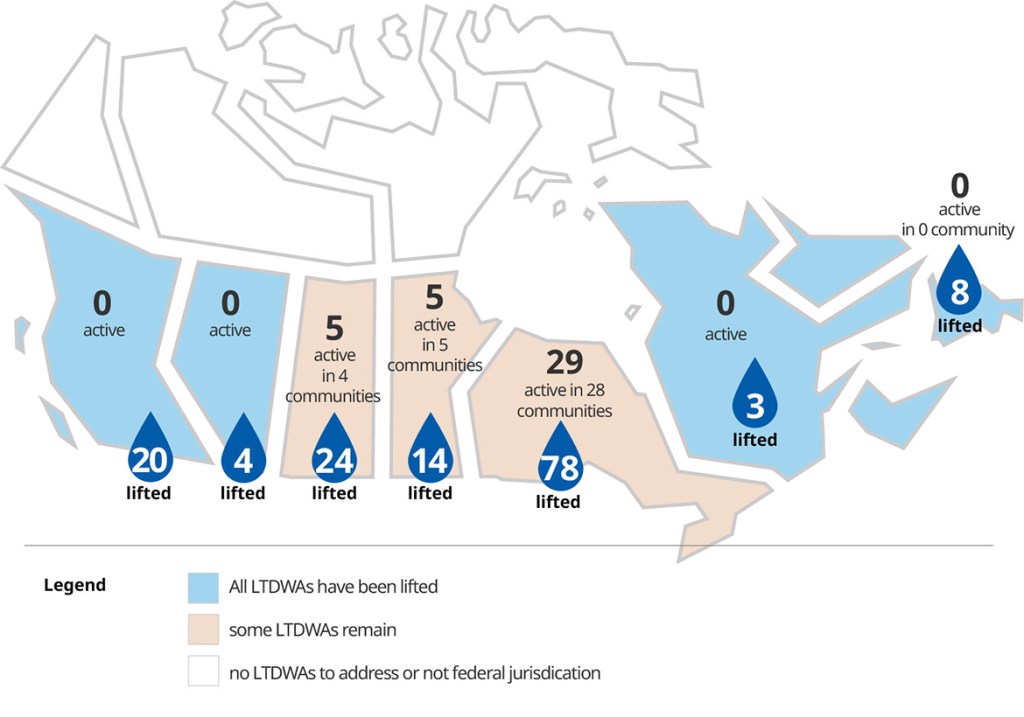
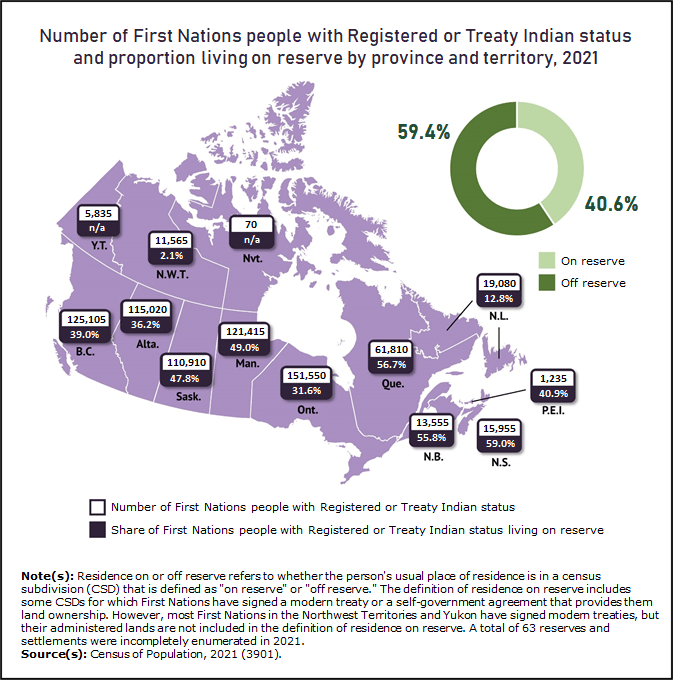
Language repression in Canada involved colonial policies like the Indian Act and the residential school system, which forcibly prohibited Indigenous languages and punished children for speaking them, leading to widespread cultural loss and intergenerational trauma. This systemic suppression aimed to assimilate Indigenous peoples into Canadian society, resulting in the endangerment and potential extinction of many Indigenous languages today. Efforts to counter this legacy include the Indigenous Languages Act of 2019, funding for revitalization programs, and community-led initiatives to restore pride and pass languages to future generations.
The Historical Context of Language Repression
Residential Schools:A primary tool of assimilation was the residential school system, which removed Indigenous children from their families and communities.
Prohibition and Punishment:Students were forbidden to speak their mother tongues and faced severe punishment for doing so.
Cultural Genocide:This was a deliberate attempt to destroy Indigenous cultures by silencing their languages, which is a form of cultural genocide.
Indian Act:This legislation and associated colonial policies further reinforced the ban on Indigenous languages and traditions, contributing to their decline.
IMPACT OF LANGUAGE REPRESSION
Endangered Languages:The systemic repression has led to a crisis where many of the original sixty-plus Indigenous languages are now endangered or at risk of extinction.
Intergenerational Trauma:The fear of punishment, the loss of fluency, and the shame associated with not being able to speak one’s language has contributed to significant intergenerational trauma and negative health outcomes.
Cultural Loss:Many words, traditions, and knowledge systems embedded in Indigenous languages have been lost or silenced.
Revitalization and Reclamation Efforts
REVITALIZATION AND RECLAMATION EFFORTS:
Indigenous Languages Act:In 2019, Canada passed the Indigenous Languages Act to support the preservation, revitalization, and strengthening of Indigenous languages.
Funding and Resources: Government funding and community-led initiatives provide resources for language programs, such as immersion schools, educational materials, and digital resources.
Community Involvement:Elders, language speakers, educators, and communities are actively working to revitalize languages through “language nests,” classrooms, and online platforms.
Promoting Pride and Healing: These efforts aim to restore cultural pride, rebuild self-esteem, and ease the intergenerational trauma caused by past policie
Do not marry polytheistic women until they believe; for a believing slave-woman is better than a free polytheist, even though she may look pleasant to you. And do not marry your women to polytheistic men until they believe, for a believing slave-man is better than a free polytheist, even though he may look pleasant to you. They invite ˹you˺ to the Fire while Allah invites ˹you˺ to Paradise and forgiveness by His grace.1 He makes His revelations clear to the people so perhaps they will be mindful. – Quran Kareem
Surah Maidah – table Spread 5:5 – Muslim men may marry Women from Alhul Kitab (people of the Book)- Christian and Jewish women – as they are Head of the Family – but not vice-versa (no Muslim woman can marry from Ahlul Kitab) – due to them still believeing in Allah azza wa Jal/ God AllMighty; this is also for Non Muslim women to Know if they Christian and/ or Jewish and Chaste marriage to a Muslim men is allowed – but not for any other beliefs – as well if someone does not propose to your right away- as you meet – they have Wring intention – as dating is not allowed in Islam. – so you are aware if some man may want to use and leave you;
Surah Maidah 5:5 – Today all good, pure foods have been made lawful for you. Similarly, the food of the People of the Book1 is permissible for you and yours is permissible for them. And ˹permissible for you in marriage˺ are chaste believing women as well as chaste women of those given the Scripture before you—as long as you pay them their dowries in wedlock, neither fornicating nor taking them as mistresses. And whoever rejects the faith, all their good deeds will be void ˹in this life˺ and in the Hereafter they will be among the losers.
“When the Lord your God brings you into the land that you are entering to take possession of it, and clears away many nations before you, the Hittites, the Girgashites, the Amorites, the Canaanites, the Perizzites, the Hivites, and the Jebusites, seven nations more numerous and mightier than you, and when the Lord your God gives them over to you, and you defeat them, then you must devote them to complete destruction. You shall make no covenant with them and show no mercy to them. You shall not intermarry with them, giving your daughters to their sons or taking their daughters for your sons, for they would turn away your sons from following me, to serve other gods. Then the anger of the Lord would be kindled against you, and he would destroy you quickly.
Now in Islam we do not say Prophet Solomon’s Heart turned after other “gods” – however the pirbicple is there; technically if you look at most Bible Verses and Quran Kareem you will realize the Source of Revelation is the same (Allah- saw- God AllMighty)
2 Corinthians 6:14-16 it reads:
14 Do not be unequally yoked together with unbelievers. For what fellowship has righteousness with lawlessness? And what communion has light with darkness? 15 And what accord has Christ with Belial? Or what part has a believer with an unbeliever? 16 And what agreement has the temple of God with idols? For you[b] are the temple of the living God. As God has said: I will dwell in them And walk among them. I will be their God, And they shall be My people. NKJV
#marriage # believers #not with #polytheists #Islam; #Bible
Jacob Marries Leah and Rachel (Marriage in general)
New American Standard Bible 1995 – Jacob and Rachel marriage – but he way he married Leah first (did not remove her Veil)- so then later on after many more years married Rachel, the mother of Yusuf/ Joseph (aleihis Salam) – as she was the younger sister; hence Lifting the Veil in marriage idea; The Veil; some jewish weddings still have the Face cover in weddings in present day;
?????????
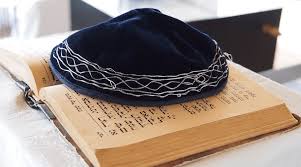
There is a custom practiced during Jewish weddings known as the “bedeken”, or the “veiling”. Before the wedding ceremony, the groom goes to the room where his bride is sitting on a throne, and he covers her face with a veil. Her face remains covered during the entire chupah ceremony. Yet, at the end, it was Leah who became Jacob’s primary wife. Rachel died at a young age, so that most of Jacob’s married life was actually spent with Leah. In addition to this, it was Leah who mothered most of Jacob’s children, the future tribes of Israel and it was she, not Rachel, who ultimately was buried with Jacob in the Cave of Machpela in Hebron.
One of the traditional explanations for this custom is that it commemorates the event that occurred during Jacob’s wedding ceremony. Since Jacob’s bride was veiled, he did not realize that he was marrying the wrong woman. But if that is the reason, shouldn’t the custom be that the groom uncovers his bride’s face to make sure that he is marrying the bride of his choice? Why are we commemorating at each of our weddings this terrible episode that occurred to poor Jacob?
Genesis 29 15-28 – Prophet Yaqub/ Jacob(Alayhis Salam) marriages with Leah, then Rachel
After Jacob had stayed with him for a whole month, 15 Laban said to him, “Just because you are a relative of mine, should you work for me for nothing? Tell me what your wages should be.” 16 Now Laban had two daughters; the name of the older was Leah, and the name of the younger was Rachel. 17 Leah had weak[a] eyes, but Rachel had a lovely figure and was beautiful. 18 Jacob was in love with Rachel and said, “I’ll work for you seven years in return for your younger daughter Rachel.”
19 Laban said, “It’s better that I give her to you than to some other man. Stay here with me.” 20 So Jacob served seven years to get Rachel, but they seemed like only a few days to him because of his love for her. 21 Then Jacob said to Laban, “Give me my wife. My time is completed, and I want to make love to her.” 22 So Laban brought together all the people of the place and gave a feast. 23 But when evening came, he took his daughter Leah and brought her to Jacob, and Jacob made love to her. 24 And Laban gave his servant Zilpah to his daughter as her attendant.
25 When morning came, there was Leah! So Jacob said to Laban, “What is this you have done to me? I served you for Rachel, didn’t I? Why have you deceived me?”26 Laban replied, “It is not our custom here to give the younger daughter in marriage before the older one. 27 Finish this daughter’s bridal week; then we will give you the younger one also, in return for another seven years of work.”
28 And Jacob did so. He finished the week with Leah, and then Laban gave him his daughter Rachel to be his wife. 29 Laban gave his servant Bilhah to his daughter Rachel as her attendant. 30 Jacob made love to Rachel also, and his love for Rachel was greater than his love for Leah. And he worked for Laban another seven years. – but he lifted the Marriage Veil the second time *(yes women mostly used to cover their faces in public)
Notes: back then Men had to pay and work for women in or for marriage – there is “no free lunch” – so well that technically explains the Failure of most marriages today – where women split bills 50/50 – or pay too many bills – well How do you expect they make Good wives and mothers withh al that Stress – therefore the moral and societal decadence has somethings to do with the No Family/ mixed family structure of modern times.
Also the Odd Times when you need to call CAS – am not recommending that on “rumours: – just on very Serious Cases when Kids are actually in Danger;
TORONTO, Feb. 8, 2022 /CNW/ – During February, we often celebrate idyllic notions of love and romance, but just one week after Valentine’s Day, we also mark a milestone that reveals the toxic side of human relationships.
February 22 is National Human Trafficking Awareness Day. This year, The Canadian Centre to End Human Trafficking (The Centre) – a national charitable organization dedicated to ending human trafficking – is educating Canadians on the issue of sex trafficking and sharing how all Canadians can make a difference by focusing on healthy relationships and discussing the topic with loved ones. The Centre is also raising awareness of its Canadian Human Trafficking Hotline, a confidential service that provides information and support at 1-833-900-1010. Since most calls to the Hotline involve sex trafficking, The Centre is spotlighting this aspect of the issue which predominantly impacts young people.
#Crime Stoppers, #CAS, #Canada , #Agencies #Anti Human Trafficking Hotline
Toronto police have launched a new three-digit number that can now be used to call the force’s non-emergency line.
Police say the *877 feature allows residents using wireless devices to reach non-emergency services using an easy-to-remember number.
They say the three-digit number works exclusively on wireless devices on Rogers, Bell, TELUS and Freedom Mobile networks and their subsidiary companies.
Police say residents using landlines can continue to contact the non-emergency line’s full phone number, 416-808-2222.
Toronto police say the new number comes after a 2022 auditor general audit of the force’s 911 service that recommended police consider a shorter non-emergency phone number that is easier for residents to remember.
Police are reminding the public to dial 911 only in emergencies that require immediate help from police, fire or ambulance services.
This report by The Canadian Press was first published Aug. 8, 2025.
ياأيها النبي إذا جاءك المؤمنات يبايعنك على أن لايشركن بالله شيئا ولا يسرقن ولا يزنين ولا يقتلن أولادهن ولا يأتين ببهتان يفترينه بين أيديهن وأرجلهن ولا يعصينك في معروف فبايعهن واستغفر لهن الله إن الله غفور رحيم سورة: الممتحنة – آية: ( 12 ) – جزء: ( 28 ) – صفحة: ( 551 )
Almuntakhab Fi Tafsir Alquran Alkarim
O you the Prophet: If emigrating women who conformed to Islam come to you and pledge before Allah their vows to you that: they will not incorporate with Allah other deities, they will not steal, nor will they commit adultery nor infanticide, they will not speak or utter slanders nor relate falsehood, they will not conceive an illegitimate child and make the husband believe it is his, nor will they disobey you in matters crowned with equity; then you accept their pledge and invoke on their behalf Allahs forgiveness, for He is indeed Ghafurun and Rahimun
Tafseer Tafheem-ul-Quran by Syed Abu-al-A’la Maududi
(60:12) O Prophet, when believing women come to you and pledge *18 to you that they will not associate aught with Allah in His Divinity, that they will not steal, *19 that they will not commit illicit sexual intercourse, that they will not kill their children, *20 that they will not bring forth a calumny between their hands and feet, *21 and that they will not disobey you in anything known to be good, *22 then accept their allegiance *23 and ask Allah to forgive them. Surely Allah is Most Forgiving, Most Compassionate.
O Prophet, when the believing women come to you pledging to you meaning
*18) As we have explained above, this verse was sent down some time before the conquest of Makkah. After the conquest the Quraish stated coming to the Holy Prophet in large numbers to take the oath of allegiance. From the men he took the oath himself on Mount Safa, As for the woman he appointed Hadrat ‘Umar to administer the oath to them on his behalf and to ask them to pledge that they would refrain from the things mentioned in this verse. (Ibn Jarir, on the authority Of Ibn ‘Abbas; Ibn Abi Hatim, on the authority of Qatadah). Then. on his return to Madinah he ordered the Muslim women of Madinah to be gathered together in a house and he sent Hadrat Umar to take the oath from them. (Ibn Jarir, Ibn Marduyah, Bazzar, Ibn Hibban, on the authority of Umm ‘Atiyyah Ansariah). On the ‘Id day also, after his address to men, he went to the assembly of women and in his sermon to than he recited this verse and asked them to pledge that they would refrain from the things mentioned in it. (Bukhari on the authority of Ibn `Abbas’s tradition). Apart from these occasions. at different other tithes also, the women came before the Holy Prophet individually as well as collectively to take the oath of allegiance, as mentioned in several Ahadith.
*19) In Makkah, when the oath of allegiance was being administered, Hind bint `Utbah. wife of Abu Sufyan, asked the Nabi- Prophet its explanation and said: “Messenger of Allah, Abu Sufyan is rather stingy. Will it be sinful if I take out something from his wealth without his permission to meet my own and my children’s needs?” The Holy Prophet replied: “Nay, but only ,lastly and lawfully; i.e. take only that much as may actually suffice for your needs.” (Ibn al–‘Arabi, Ahkam al-Qur’an).
*20) This also includes abortion, whether ii is abortion of the legitimate or of the illegitimate foetus. *21) This implies two kinds of calumny: (1) a woman’s accusing other women of having illicit relations with other men and her spreading such stories among the people, for the women are generally prone to spreading such things; and (2) a woman’s delivering a child by somebody else and making her husband believe that it is his. Abu Da’ud has related a tradition from Abu Hurairah saying that he heard the Holy Prophet say: “The woman who brings such a child into a family as does not actually belong to it, has no connection with Allah, and Allah will never admit her to Paradise.”
*22) In this brief sentence two important points of the law have been stated: First, that obedience even to the Holy Prophet (upon whom be Allah s peace) has boon restricted to “in what is good”, although about the Holy Prophet no one could imagine that he would order somebody 10 do an evil From this it automatically follows that no one in the world can be obeyed outside the bounds of Divine law. For when obedience to Allah’s Messenger-himself is conditional upon “in what is good”. who else can have a position to demand unconditional obedience and require the people to obey and follow each of his commands laws, rules or customs, which are opposed to the law of Allah? The Nabi- Prophet (upon whom be Allah’s peace) has stated this principle, thus: “There is no obedience in the disobedience of Allah; obedience is only in what is good and right.” (Muslim, Abu Da’ud, Nasa’i). Our great doctors have derived this very theme from this verse, Hadrat ‘Abdur Rehman bin Zaid bin Aslam says: “Allah has not said that they should not disobey you (the Holy Prophet) but that they should not disobey you in what is good. Then, when Allah Almighty has made obedience even to the Holy Prophet himself conditional upon this, how can another person have the right that he should be obeyed in anything but what is good?” (Ibn Jarir).
Imam Abu Bakr al-Jassas writes: “Allah knew that His Prophet never enjoined anything but what was good. Still He restricted obedience to him only in what is good, so that no one ever may find a provision to obey the kings when they enjoined something outside the obedience of AIIah. The Holy Prophet (upon whom be Allah’s peace) has said: ‘He who obeys a creature in disobedience to the Creator, Allah appoints the. same c creature over him in power’ . ” (Ahkam al-Qur an). ‘Allama Alusi says: “This command refutes the view of those ignorant people who think that obedience to the ruler is absolutely necessary. Allah has restricted even obedience to His Messenger only in what is good, whereas the Messenger never enjoins anything but what is good. This is meant to wam the people that obedience to no one is lawful in disobedience to the Creator. ” (Ruh al-Ma ani). Thus, this command in fact, is the foundation stone of the rule of law in Islam. The rule is that anything which is opposed to the law of Islam is a crime, and no one has the right to enjoin any such thing on any one. Anyone who enjoins anything against the law, is a culprit; and the one who obeys such a command is . also a culprit. No subordinate can escape the punishment on the basis of the excuse that his superior officer had ordered him to do something which was a crime in the law.
The angels said, “O Mary, God has chosen you, and has purified you. He has chosen you over all the women of the world.
43. “O Mary, be devoted to your Lord, and bow down, and kneel with those who kneel.”
44. These are accounts from the Unseen, which We reveal to you. You were not with them when they cast their lots as to which of them would take charge of Mary; nor were you with them as they quarreled.
45. The Angels said, “O Mary, God gives you good news of a Word from Him. His name is the Messiah, Jesus, son of Mary, well-esteemed in this world and the next, and one of the nearest.
46. He will speak to the people from the crib, and in adulthood, and will be one of the righteous.”
47. She said, “My Lord, how can I have a child, when no man has touched me?” He said, “It will be so. God creates whatever He wills. To have anything done, He only says to it, ‘Be,’ and it is.”
48. And He will teach him the Scripture and wisdom, and the Torah and the Gospel.
49. A messenger to the Children of Israel: “I have come to you with a sign from your Lord. I make for you out of clay the figure of a bird; then I breathe into it, and it becomes a bird by God’s leave. And I heal the blind and the leprous, and I revive the dead, by God’s leave. And I inform you concerning what you eat, and what you store in your homes. In that is a sign for you, if you are believers.”
50. “And verifying what lies before me of the Torah, and to make lawful for you some of what was forbidden to you. I have come to you with a sign from your Lord; so fear God, and obey me.”
51. “God is my Lord and your Lord, so worship Him. That is a straight path.”
Jesus in Quran Kareem – surah Maryam Verses
16. And mention in the Scripture Mary, when she withdrew from her people to an eastern location. 17. She screened herself away from them, and We sent to her Our spirit, and He appeared to her as an immaculate human. 18. She said, “I take refuge from you in the Most Merciful, should you be righteous.” 19. He said, “I am only the messenger of your Lord, to give you the gift of a pure son.” 20. She said, “How can I have a son, when no man has touched me, and I was never unchaste?” 21. He said, “Thus said your Lord, `It is easy for Me, and We will make him a sign for humanity, and a mercy from Us. It is a matter already decided.’“ 22. So she carried him, and secluded herself with him in a remote place. 23. The labor-pains came upon her, by the trunk of a palm-tree. She said, “I wish I had died before this, and been completely forgotten.” 24. Whereupon he called her from beneath her: “Do not worry; your Lord has placed a stream beneath you. 25. And shake the trunk of the palm-tree towards you, and it will drop ripe dates by you.” 26. “So eat, and drink, and be consoled. And if you see any human, say, ‘I have vowed a fast to the Most Gracious, so I will not speak to any human today.’“ 27. Then she came to her people, carrying him. They said, “O Mary, you have done something terrible. 28. O sister of Aaron, your father was not an evil man, and your mother was not unchaste.” 29. So she pointed to him. They said, “How can we speak to an infant in the crib?” 30. He said, “I am the servant of God. He has given me the Scripture, and made me a prophet. 31. And has made me blessed wherever I may be; and has enjoined on me prayer and charity, so long as I live. 32. And kind to my mother, and He did not make me a disobedient rebel. 33. So Peace is upon me the day I was born, and the day I die, and the Day I get resurrected alive.” 34. That is Jesus son of Mary—the Word of truth about which they doubt. 35. It is not for God to have a child—glory be to Him. To have anything done, He says to it, “Be,” and it becomes. 36. “God is my Lord and your Lord, so worship Him. That is a straight path.”
150. Those who disbelieve in God and His messengers, and want to separate between God and His messengers, and say, “We believe in some, and reject some,” and wish to take a path in between.
151. These are the unbelievers, truly. We have prepared for the unbelievers a shameful punishment.
152. As for those who believe in God and His messengers, and make no distinction between any of them—He will give them their rewards. God is Forgiver and Merciful.
153. The People of the Scripture challenge you to bring down to them a book from the sky. They had asked Moses for something even greater. They said, “Show us God plainly.” The thunderbolt struck them for their wickedness. Then they took the calf for worship, even after the clear proofs had come to them. Yet We pardoned that, and We gave Moses a clear authority.
154. And We raised the Mount above them in accordance with their covenant, and We said to them, “Enter the gate humbly”, and We said to them, “Do not violate the Sabbath”, and We received from them a solemn pledge.
155. But for their violation of their covenant, and their denial of God’s revelations, and their killing of the prophets unjustly, and their saying, “Our minds are closed.” In fact, God has sealed them for their disbelief, so they do not believe, except for a few.
156. And for their faithlessness, and their saying against Mary a monstrous slander.
157. And for their saying, “We have killed the Messiah, Jesus, the son of Mary, the Messenger of God.” In fact, they did not kill him, nor did they crucify him, but it appeared to them as if they did. Indeed, those who differ about him are in doubt about it. They have no knowledge of it, except the following of assumptions. Certainly, they did not kill him.
158. Rather, God raised him up to Himself. God is Mighty and Wise.
159. There is none from the People of the Scripture but will believe in him before his death, and on the Day of Resurrection he will be a witness against them.
160. Due to wrongdoing on the part of the Jews, We forbade them good things that used to be lawful for them; and for deterring many from God’s path.
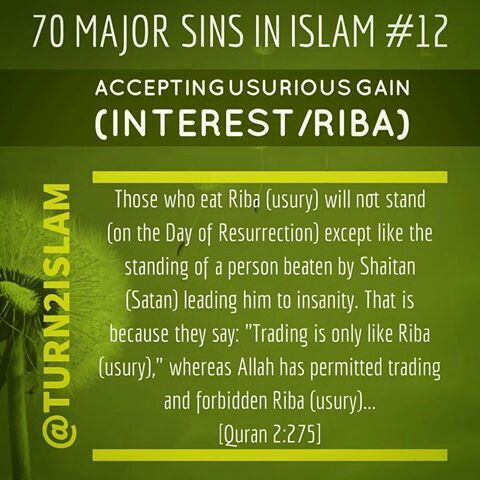
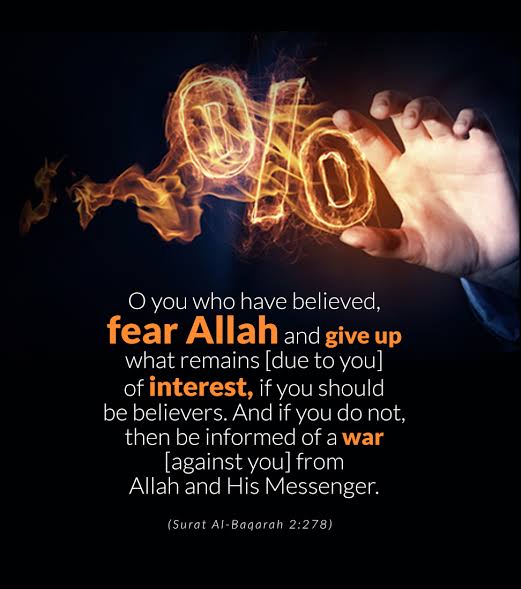
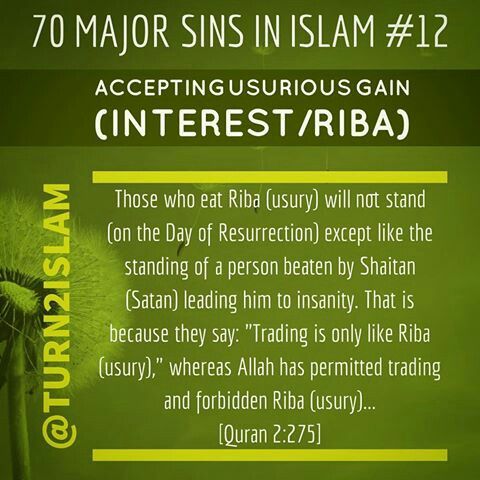
161. And for their taking usury, although they were forbidden it; and for their consuming people’s wealth dishonestly. We have prepared for the faithless among them a painful torment.
162. But those among them firmly rooted in knowledge, and the believers, believe in what was revealed to you, and in what was revealed before you; and the observers of prayers, and the givers of charity, and the believers in God and the Last Day—upon these We will bestow an immense reward.